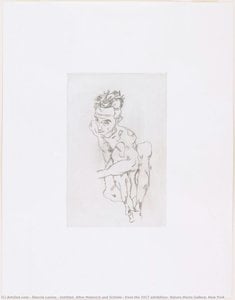
EtchingWallArtPost-Impressionism
 20.0 x 19.0 cm
 متحف هامر
احصل على صورة رقمية عالية الدقة ومعزّنة، بجودة تفوق بكثير المعاينة عبر الإنترنت.
يتم إعداد كل ملف بعناية فائقة من قبل متخصصينا الداخليين باستخدام أدوات متقدمة ولمسات يدوية خبيرة. نضمن أن تتمتع كل صورة بوضوح استثنائي، ودقة لونية متناهية، وتفاصيل دقيقة.
يتم تسليم الملف النهائي عبر البريد الإلكتروني في غضون 72 ساعة، وهو مُحسَّن للاستخدام الفوري في المجالات المهنية والتحريرية ومجالات الطباعة. هذه هي ذات الجودة التي تعتمد عليها كبرى استوديوهات التصميم ودور النشر والمعارض الفنية المرموقة.
حمّل ملفاً عالي الدقة للعرض الشخصي، والطباعة، والمشاريع الإبداعية. ( اشترِ نسخة مطبوعة اشترِ لوحة مرسومة يدويًا)
عندما تختار WahooArt.com، فأنت لا تحصل على مجرد صورة فحسب، بل ستحصل على عمل فني رقمي مُحسّن باحترافية، صُمم بدقة متناهية ومصحوب بضمان الرضا. إليك كل ما يتضمنه طلبك تلقائياً:

ستصلك ملفات صورك الرقمية عالية الدقة عبر البريد الإلكتروني في غضون 72 ساعة من إتمام الطلب - لتكون جاهزة للاستخدام الفوري.

يتم تحسين عملك الفني باحترافية باستخدام أدوات الذكاء الاصطناعي المتقدمة والتحرير اليدوي، لضمان أقصى درجات التفاصيل والوضوح ودقة الألوان.

هل حذفت ملفك أو فقدته عن طريق الخطأ؟ لا تقلق - سنعيد إرساله إليك في أي وقت، ومجاناً.

استمتع بأعمالك الفنية فوراً دون أي رسوم جمركية أو ضرائب أو مصاريف شحن - فالتحميلات الرقمية دائماً ما تكون معفاة من الضرائب.

نحن نضمن أن تعكس صورتك الرقمية الألوان الأصلية بأقصى قدر ممكن من الدقة، وذلك باستخدام أدوات احترافية وتقنيات إدارة الألوان.

إذا لم تكن راضياً عن صورتك الرقمية، فسنقوم بتعديلها أو استرداد 100% من قيمتها خلال 100 يوم - دون طرح أي أسئلة.

لم تكن راضياً؟ استرد كامل المبلغ خلال 100 يوم من استلام ملفك الرقمي - دون طرح أي أسئلة.

اشتري 3 صور، ووفر 10% - اشتري 5، ووفر 15% - اشتري +10، ووفر 20%. مثالية للمشاريع الإبداعية، والمعارض، والوكالات.
Paul César Helleu's "The Mirror," created around 1895, is more than just a portrait; it’s a meticulously crafted window into the social and psychological landscape of late 19th-century France. This drypoint etching, housed within the Hammer Museum at UCLA, captures a moment of quiet contemplation – two women observing each other through a shimmering mirror, their gazes holding a complex blend of curiosity, judgment, and perhaps even a touch of melancholy. Helleu, a master of his craft, expertly utilizes the limitations of printmaking to create an image brimming with subtle detail and emotional resonance.
Helleu’s genius lies in his command of drypoint etching – a technique he embraced after encountering the work of James Jacques Tissot. Unlike traditional engraving, drypoint involves scratching directly into a metal plate with a needle, creating a delicate, velvety texture known as “burr.” This burr then picks up ink, resulting in rich tonal variations and an immediate sense of depth. In "The Mirror," this technique is brilliantly employed to render the women’s clothing, the intricate folds of their garments, and the reflective surface itself with astonishing realism. The varying line weights – from delicate hairlines to bold, decisive strokes – create a dynamic interplay of light and shadow, drawing the viewer's eye into the scene and imbuing it with a palpable sense of atmosphere.
“The Mirror” is firmly rooted in the Belle Époque – an era defined by opulent luxury, rapid industrialization, and a burgeoning fascination with modernity. Helleu’s portraits of this period are renowned for their ability to capture not just physical likeness but also the social standing and inner lives of his subjects. The women depicted here belong to the fashionable elite, their attire reflecting the latest trends – elaborate gowns, delicate jewelry, and carefully coiffed hairstyles. The setting, though somewhat ambiguous, suggests a refined interior space—likely a salon or drawing room—a typical environment for socializing and observing others. Helleu’s skill lies in his ability to convey this sense of social context through subtle details: the arrangement of furniture, the positioning of the mirror, and the women's own postures and expressions.
The central image—the mirror itself—is far more than a simple reflective surface. It functions as a potent symbol, inviting multiple interpretations. Mirrors have long been associated with introspection, self-perception, and the duality of identity. In this context, it suggests that each woman is not only observing the other but also contemplating her own reflection – her appearance, her social position, and perhaps even her inner thoughts. The act of looking into a mirror can be both revealing and deceptive, highlighting the complexities of human relationships and the often-contradictory nature of self-awareness. The composition subtly reinforces this idea; the mirroring effect creates a sense of circularity, suggesting an endless cycle of observation and judgment.
Paul César Helleu's “The Mirror” stands as a testament to his exceptional talent and his deep understanding of the Belle Époque aesthetic. His meticulous attention to detail, combined with his masterful command of drypoint etching, results in an image that is both visually stunning and emotionally resonant. Reproductions of this captivating artwork offer a unique opportunity to bring a touch of Parisian elegance into any space – a reminder of a bygone era and the enduring power of visual storytelling. Consider commissioning a high-quality print from WahooArt.com to experience the full beauty and nuance of Helleu’s masterpiece.

في مدينة فاني بمنطقة بريتاني الفرنسية، ولد بول سيزار هيلو عام 1859، لتبدأ رحلة فنان سيخلد ملامح عصر بأكمله. واجه هيلو تحديات مبكرة حين فقد والده، الذي كان يعمل مفتشاً للجمارك، وهو لا يزال في سن المراهقة. ورغم تحفظات والدته في البداية، إلا أن شغفه الفني دفعه للانتقال إلى باريس في سن مبكرة سعياً وراء طموحاته الإبداعية. صقل موهبته في مدرسة "ليسي شابتال"، وببراعة لافتة وهو في السادسة عشرة فقط، استطاع الالتحاق بمدرسة الفنون الجميلة المرموقة (École des Beaux-Arts)، حيث تلقى تدريباً أكاديمياً رصيناً تحت إشراف المعلم جان ليون جيروم.
كانت لحظة التحول الكبرى في مسيرة هيلو هي احتكاكه المبكر بالحركة الانطباعية خلال المعرض الانطباعي الثاني عام 1876. فقد سحرته تقنيات فنانين عظام مثل جون سينجر سارجنت، وجيمس مكنيل ويستلر، وكلود مونيه؛ حيث استلهم منهم تلك القدرة الابتكارية على التركيز على المشاهد الخارجية والضوء الطبيعي، وهو ما شكل تبايناً صارخاً مع أساليب الرسم التقليدية داخل المرسم.
في بدايات مسيرته المهنية، عمل هيلو في ورشة الخزف التابعة لثيودور ديك، حيث كان يزين الأطباق الزخرفية بيده، وهي تجربة صقلت مهاراته التقنية بدقة متناهية. وجاءت نقطة التحول الجوهرية حين التقى بالرسام جيوفاني بولديني، الذي أصبح معلماً له؛ فبأسلوب بولديني المفعم بالحيوية والجرأة، تشكل الاتجاه الفني لهيلو بشكل عميق. كما نشأت صداقة وثيقة بين هيلو وجون سينجر سارجنت استمرت طوال حياتهما، وكان لدعم وتشجيع سارجنت دور حاسم في نجاح هتبعات هيلو الأولى.
لقد برع هيلو بشكل استثنائي في تقنية "الحفر بالإبرة الجافة" (drypoint etching)، وهي التقنية التي عرفه بها جيمس جاكيس تيسو. وسرعان ما تحول إلى فنان بارع، مستخدماً هذه التقنية بذات الديناميكية والرقي الذي ميز لوحاته بالألوان المائية (الباستيل)، مما جعل أعماله تحمل بصمة فريدة تجمع بين الدقة والتدفق العاطفي.
اشتهر هيلو بكونه رسام البورتريه الذي جسد أناقة سيدات المجتمع الباريسي في عصر "الزمن الجميل" (Belle Époque). وقد شملت موضوعاته الشهيرة شخصيات بارزة مثل دوقة مارلبورو، والماركيزة كاساتي، وبيل دا كوستا غرين، ولويز شيرويت، وهيلين روبنشتاين. إن قدرته الفائقة على التقاط الجمال والرقة بلمسة من الأناقة الرفيعة أكسبته شهرة واسعة ومكانة مرموقة.
تجسد أعمال بول سيزار هيلو روح عصر "الزمن الجميل" بكل ما يحمله من تفاؤل، وأناقة، وابتكار فني. إن لوحاته ليست مجرد صور، بل هي نافذة ثمينة نطل من خلالها على حياة وأزياء الطبقة الراقية في باريس خلال تلك الحقبة التاريخية الساحرة.
تُعرض أعمال هيلو اليوم في كبرى المتاحف العالمية، بما في ذلك متحف أورساي ومتحف اللوفر في باريس، بالإضافة إلى متحف تيت في لندن، ومتحف المتروبوليتان للفنون في نيويورك.

1859 - 1927 , فرنسا

 معاينة الحجم الحقيقي
 مشاركة
 مشاركة
 التفاصيل

 تحميل الملف
 قطع مشابهة
 الأشعة السينية
 عرض شرائح
 عرض المزيد