


 أكريليك على كانفاسلوحات جداريةSynthetic Cubism
 1913العصر الحديث
 55.0 x 33.0 cm
لوحة زيتية مرسومة يدوياً على الكانفاس بالمقاس والإطار الذي تفضله، تُنفذ حسب الطلب على أيدي فنانينا. ( اشترِ نسخة مطبوعة اشترِ الصورة)
اختر من بين أحجامنا المُعدّة مسبقًا والتي تتطابق مع النسب الأصلية للعمل الفني.

يمكنك إدخال أبعادك الخاصة لتناسب إطارًا معينًا أو مساحة محددة. وإذا لم يتطابق الحجم الذي اخترته مع نسب الصورة الأصلية، فسنقوم إما بقص العمل الفني أو توسيع اللوحة بإضافة عناصر مرسومة يدويًا. سيتم إرسال نموذج رقمي إليك للموافقة عليه قبل بدء الإنتاج.
يرجى ملاحظة أن المعاينة على الشاشة لا تعكس عملية القص أو التوسيع الفعلية؛ حيث إن النموذج الرقمي وحده هو الذي سيوضح التكوين النهائي بدقة.
وعلى الرغم من توفر أحجام مخصصة، إلا أننا نوصي باختيار أبعاد من القائمة المحددة مسبقًا للحفاظ على النسب الأصلية للعمل الفني.
توصيل عالمي إلى خلال 3 إلى 4 أسابيع بدلاً من المدة المعتادة البالغة 5 أسابيع. (7 سبتمبر). جودة لا تهاون فيها.


Clarinet and Violin
مقاس النسخة المطبوعة
Picasso’s early artistic output was marked by a profound emotional intensity, primarily expressed through the Blue Period. Characterized by somber hues—deep blues, indigoes, and blacks—this period reflected Picasso's preoccupation with themes of poverty, despair, and loneliness. Influenced by artists like Edvard Munch and Rembrandt, he sought to convey human suffering with uncompromising honesty.
Following the Blue Period’s melancholic introspection, Picasso transitioned into the Rose Period, embracing warmer tones—rose pinks, ochres, and reds. This stylistic shift coincided with his marriage to Olga Khokhlova and signaled a move toward optimism and tenderness. Subjects like musicians, acrobats, and bullfighters became prominent in his canvases, capturing moments of grace and vitality.
The pinnacle of Picasso’s artistic innovation arrived with Synthetic Cubism, commencing around 1907. Collaborating closely with Georges Braque, Picasso dismantled traditional perspective and representation, fracturing objects into geometric planes—cubes, cylinders, and spheres—and reconstructing them simultaneously from multiple viewpoints. This revolutionary technique aimed to capture the essence of an object rather than its literal appearance.
Clarinet and Violin by Pablo Picasso is a seminal work of Synthetic Cubism, created in 1913. This black and white piece features a man playing the violin, standing in front of a piano, with two chairs visible in the scene. The overall composition suggests a representation of a musician's practice or performance space. As seen on WahooArt.com, this painting is a testament to Picasso’s innovative style.
Picasso's work, including Clarinet and Violin, was influenced by his contemporaries, such as Henri Matisse. The Fauvist movement, led by Matisse, motivated Picasso to explore more radical styles. This rivalry between the two artists drove the development of modern art.
The painting features a clock on the wall above the man playing the violin, adding a sense of time and rhythm to the scene. The use of black and white creates a sense of harmony and balance, while the geometric shapes and fragmented forms are characteristic of Synthetic Cubism. This style, pioneered by Picasso, emphasizes the composition of an image from multiple viewpoints.
For more information on Pablo Picasso and his artistic movements, visit Wikipedia's page.
Handmade oil painting reproductions of Clarinet and Violin are available on WahooArt.com, allowing art enthusiasts to own a piece of history.
The Museo Thyssen-Bornemisza in Madrid, Spain, is also a must-visit destination for art lovers, featuring an impressive collection of European paintings and sculptures, as seen on WahooArt.com's guide.
The painting Clarinet and Violin is a significant work in the history of modern art, showcasing Picasso’s innovative style and artistic genius.
As a masterpiece of Synthetic Cubism, it continues to inspire and influence artists today.


1881 - 1973 , إسبانيا

Explore the profound evolution of Cubism through an expert analysis of Pablo Picasso's revolutionary works. From Analytical to Synthetic Cubism, discover the techniques that redefined modern art and learn how to curate these iconic masterpieces for your private collection.
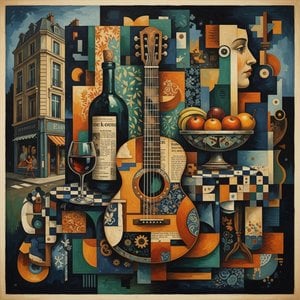
Master the vibrant world of Synthetic Cubism with our expert guide. Explore the revolutionary techniques of Picasso and Braque, from collage to color, and discover how this movement redefined modern art for collectors and connoisseurs alike.

Unveil the radical revolution of Cubism. Explore how masters like Picasso and Braque redefined modern art through fragmented forms and geometric abstraction, offering profound insights for discerning collectors of fine art history and masterpieces.

Embark on a journey through the revolutionary world of Cubism. Discover how masters like Picasso redefined perspective through Analytical and Synthetic techniques in this expert-led guide for art enthusiasts and collectors.

Explore the profound impact of Cubism on modern art. Our expert guide delves into the revolutionary techniques of Picasso and Braque, offering collectors deep insights into deconstructing form, perspective, and the enduring legacy of the Cubist movement.

 معاينة الحجم الحقيقي
 مشاركة
 مشاركة
 التفاصيل

 تحميل الملف
 قطع مشابهة
 الأشعة السينية
 عرض شرائح
 عرض المزيد




































 خيار الزجاج متاح فقط للمقاسات التي تقل عن 110 سم


