معاينة الحجم الواقعي معاينة بالواقع المعزز اطلب نسخة مرسومة يدويًا التحويل إلى الصورة الرقمية إرسال
عرض التفاصيل دليل الأعمال الفنية للطلاب أضف إلى المفضلة تحميل قطع مشابهة الأشعة السينية عرض شرائح متتابع Q&A الإحصائيات

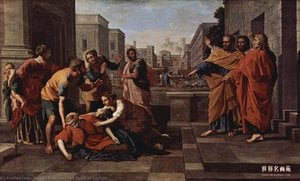
Et in Arcadia Ego

الأبعاد
185.0 x 121.0 cm

Nicolas Poussin's 'Et in Arcadia Ego' (1637) blends classical and contemporary themes, depicting shepherds contemplating a tomb & the inevitability of death within idyllic Arcadia. A masterpiece of Baroque art.

نيكولا بوزان، رسام فرنسي باروكي، اشتهر بلوحاته المستوحاة من الأساطير والتاريخ الكلاسيكي. أعماله تتميز بالتركيب الكلاسيكي والهدوء، وأثرت بشكل كبير في الفن الفرنسي.

طباعة جيلي / مطبوعات فنية

طباعة جيكلي أو كانفاس بجودة المتاحف، مع سرعة في التنفيذ وخيارات متنوعة للتشطيب. ( اطلب نسخة مرسومة يدويًا التحويل إلى الصورة الرقمية)

Corner sample of the P118B picture frame: بوليسترين مُشكّل, 5 cm wide and 3 cm thick
P118B E£10
Corner sample of the P118H picture frame: بوليسترين مُشكّل, 5 cm wide and 3 cm thick
P118H E£10
Corner sample of the P118W picture frame: بوليسترين مُشكّل, 5 cm wide and 3 cm thick
P118W E£10
Corner sample of the P438Z picture frame: بوليسترين مُشكّل, 5.5 cm wide and 3.5 cm thick
P438Z E£10
Corner sample of the P508JH picture frame: بوليسترين مُشكّل, 7 cm wide and 3.5 cm thick
P508JH E£12
Corner sample of the P508YH picture frame: بوليسترين مُشكّل, 7 cm wide and 3.5 cm thick
P508YH E£12
Corner sample of the P805H picture frame: بوليسترين مُشكّل, 5 cm wide and 3.5 cm thick
P805H E£10
Corner sample of the P805Z picture frame: بوليسترين مُشكّل, 5 cm wide and 3.5 cm thick
P805Z E£10
Corner sample of the P919BZ picture frame: بوليسترين مُشكّل, 7 cm wide and 3.5 cm thick
P919BZ E£10
Corner sample of the P919G picture frame: بوليسترين مُشكّل, 7 cm wide and 3.5 cm thick
P919G E£10
Corner sample of the P919XJ picture frame: بوليسترين مُشكّل, 7 cm wide and 3.5 cm thick
P919XJ E£10
Corner sample of the P959ZH picture frame: بوليسترين مُشكّل, 5 cm wide and 3 cm thick
P959ZH E£10
Corner sample of the P968JZ picture frame: بوليسترين مُشكّل, 6 cm wide and 4 cm thick
P968JZ E£12
Corner sample of the W106C picture frame: خشب طبيعي صلب, 5 cm wide and 3 cm thick
W106C E£8
Corner sample of the W218G picture frame: خشب طبيعي صلب, 5 cm wide and 3 cm thick
W218G E£10
Corner sample of the W218JH picture frame: خشب طبيعي صلب, 5 cm wide and 3 cm thick
W218JH E£8
Corner sample of the W218Y picture frame: خشب طبيعي صلب, 5 cm wide and 3 cm thick
W218Y E£10
Corner sample of the W307PJ picture frame: خشب طبيعي صلب, 6 cm wide and 3 cm thick
W307PJ E£10
Corner sample of the W316G picture frame: خشب طبيعي صلب, 6 cm wide and 3 cm thick
W316G E£10
Corner sample of the W316PJ picture frame: خشب طبيعي صلب, 6 cm wide and 3 cm thick
W316PJ E£8
Corner sample of the W316Y picture frame: خشب طبيعي صلب, 6 cm wide and 3 cm thick
W316Y E£10
Corner sample of the W398PJ picture frame: خشب طبيعي صلب, 5 cm wide and 3 cm thick
W398PJ E£8
Corner sample of the W4111J picture frame: خشب طبيعي صلب, 6.5 cm wide and 3.5 cm thick
W4111J E£10
Corner sample of the W500HY picture frame: خشب طبيعي صلب, 7 cm wide and 5 cm thick
W500HY E£15
Corner sample of the W500JH picture frame: خشب طبيعي صلب, 7 cm wide and 5 cm thick
W500JH E£15
Corner sample of the W692G picture frame: خشب طبيعي صلب, 8 cm wide and 4 cm thick
W692G E£12
Corner sample of the W849H picture frame: خشب طبيعي صلب, 5 cm wide and 3 cm thick
W849H E£8
Corner sample of the W940BG picture frame: خشب طبيعي صلب, 7.5 cm wide and 4.5 cm thick
W940BG E£15
Corner sample of the W953PJ picture frame: خشب طبيعي صلب, 6 cm wide and 3.5 cm thick
W953PJ E£8

مقاس قياسي
مخصص
CM
INCH

اختر من بين أحجامنا المُعدّة مسبقاً والتي تتوافق مع النسب الأصلية للعمل الفني.

العرض
الارتفاع

أدخل العرض والارتفاع اللذين تحتاجهما، ليتناسب مع إطارك أو جدارك. يمكن قص المطبوعة فقط، ولا يمكن أبداً جعلها أكبر من الصورة الأصلية، لذا فإن أي مقاس بشكل مختلف سيؤدي إلى فقدان جزء من الصورة. سنرسل لك نموذجاً رقمياً تجريبياً لاعتماده قبل البدء في عملية الطباعة. الصورة المعروضة في هذه الصفحة لا توضح القص الفعلي — النموذج التجريبي فقط هو ما يظهر ذلك.

توصيل عالمي إلى خلال أسبوعين بدلاً من المدة القياسية البالغة 4/5 أسابيع. (31 أكتوبر)

شحن سريع ومجاني لجميع أنحاء العالم
قماش كتان فاخر
تأمين شامل على الشحن
ضمان استرداد الرسوم الجمركية
ضمان دقة مطابقة الألوان
سياسة الإرجاع خلال 100 يوم (في حالات العيوب فقط)
ضمان استرداد نقدي بنسبة 100%
عرض خصم الكميات

إجمالي السعر

E£ 3558

Et in Arcadia Ego

طباعة جيلي / مطبوعات فنية

مقاس النسخة المطبوعة

-

إجمالي السعر

E£ 3558

Et in Arcadia Ego: A Baroque Meditation on Mortality and Beauty

Nicolas Poussin’s “Et in Arcadia Ego” – Latin for “Even in Arcadia, there am I” – is not merely a painting; it's an invitation to contemplate the profound intersection of beauty, mortality, and the enduring human spirit. Completed in 1637 during his intensely personal late period, this masterpiece housed within the hallowed halls of the Musée du Louvre in Paris stands as a testament to Poussin’s mastery of classical themes interwoven with deeply felt emotional resonance. The work transcends its simple pastoral setting, offering a complex meditation on time, loss, and the inescapable presence of death even amidst idyllic scenes. The scene unfolds within a carefully constructed landscape reminiscent of Virgil's Arcadia – a mythical realm of perpetual springtime, representing an idealized vision of rustic harmony. At the heart of the composition lies a weathered tomb, its inscription bearing the haunting phrase that gives the painting its title. Around this central element gather several figures: a group of shepherds, engaged in a quiet, almost melancholic activity; a young woman, possibly a shepherdess, kneeling before the tomb; and presiding over the scene is Pan, the god of the wild, holding aloft a large stone – a symbol of both strength and the inevitable weight of existence. Two dogs are present, adding an element of companionship and loyalty to this tableau of quiet contemplation. The lighting, masterfully rendered by Poussin, casts long shadows, further emphasizing the passage of time and the sense of stillness that pervades the scene. Poussin’s artistic approach is characterized by a remarkable clarity and precision, hallmarks of his Baroque style. He meticulously employs linear perspective to create a convincing illusion of depth, drawing the viewer into the landscape with an almost photographic realism. The figures are rendered with exquisite detail, their drapery flowing realistically, capturing both the texture of the fabric and the subtle nuances of light and shadow. Notably, Poussin departs from the more flamboyant styles prevalent at the time, favoring a restrained elegance and a focus on intellectual and spiritual themes rather than mere visual spectacle. The painting’s composition is deliberately complex, layering multiple viewpoints and inviting repeated observation – a characteristic that reflects Poussin's deep engagement with classical art theory and his desire to create works that would stimulate both the eye and the mind. The symbolism within “Et in Arcadia Ego” is layered and profoundly moving. The tomb itself represents mortality, reminding us of the transient nature of life and the inevitability of death. Pan’s stone symbolizes the power of nature, but also the burden it carries – a reminder that even the most beautiful landscapes are subject to decay and loss. The kneeling figure, often interpreted as representing Venus or another idealized woman, embodies vulnerability and humility in the face of mortality. Her gesture suggests a recognition of her own fate, mirroring the broader theme of the painting. The inscription on the tomb, “Et in Arcadia Ego,” is not simply a statement of fact; it’s an invitation to contemplate the paradox of beauty and death existing side-by-side. It's a poignant reminder that even in the most idyllic settings, the shadow of mortality always lingers.
  • Artist: Nicolas Poussin
  • Painting Title: Et in Arcadia Ego
  • Museum: Musée du Louvre, Paris, France
  • Date: 1637
  • Medium: Oil on Canvas
  • Size: 185 x 121 cm
The enduring appeal of “Et in Arcadia Ego” lies not only in its technical brilliance but also in its profound emotional depth. It’s a painting that speaks to the universal human experience – our awareness of mortality, our appreciation for beauty, and our longing for connection amidst the uncertainties of life. For those seeking an artwork that transcends mere decoration and offers a window into the complexities of the human condition, Poussin's masterpiece remains a timeless treasure. Explore Nicolas Poussin’s “Et in Arcadia Ego” and Discover another masterpiece by the same artist on WahooArt. Furthermore, a visit to the Musée du Louvre promises an unparalleled opportunity to immerse yourself in the world of art history and witness firsthand the brilliance of this iconic work.

الأسئلة والأجوبة

ما هي الاستخدامات والمساحات الموصى بها لـ "Et in Arcadia Ego" للفنان نيكولا بوزان؟

يُنصح بوضع "Et in Arcadia Ego" للفنان نيكولا بوزان لغرض انعكاسي، ويُفضل أن يكون ذلك في غرفة المعيشة. إن الجمع بين طريقة الاستخدام والمساحة المتاحة يساعد في تحديد المكان الأمثل لوضع هذه النسخة الفنية.

إلى أي مرحلة من مسيرة نيكولا بوزان الفنية تنتمي لوحة "Et in Arcadia Ego"؟

ينتمي العمل "Et in Arcadia Ego" إلى الفترة Late Period من مسيرة نيكولا بوزان المهنية، ويربط هذا التصنيف العمل بمراحل تطور الفنان.

كيف يمكنني تحميل صورة "Et in Arcadia Ego" للفنان نيكولا بوزان؟

يمكن تحميل "Et in Arcadia Ego" للفنان نيكولا بوزان من صفحة تحميل الخاصة بالعمل الفني، بصفتها تحميل صورة رقمية عالية الدقة.


نبذة عن الفنان

نيكولا بوزان: نحات الكلاسيكية الفرنسية ومرشد الأجيال

ولد نيكولا بوزان في قلب نورماندي، بالقرب من مدينة أنديليس الساحرة، عام 1594، ليمثل نقطة تحول حاسمة في مسار الفن الفرنسي. لم يكن مجرد رسام، بل كان مفكرًا وفيلسوفًا عبر لوحاته، حيث أسس تقليد الكلاسيكية الفرنسية الذي سيؤثر في أجيال من الفنانين. على الرغم من أن سنواته الأولى ظلت غامضة بعض الشيء، إلا أنه سرعان ما اتضح أن موهبته الفنية كانت كامنة بداخلة، لتتفتح تحت إشراف كوينتن فارين، رسام الرحلات الذي اكتشف قدراته ووجهه نحو عالم الألوان والأشكال. رحلة بوزان إلى روما عام 1624 لم تكن مجرد انتقال جغرافي، بل كانت بمثابة رحلة روحية وفنية عميقة، حيث غرق في ينابيع الحضارة الكلاسيكية القديمة، مستلهمًا من آثارها العظيمة ومن أعمال الرسامين الإيطاليين أمثال رافائيل وتيتيان.

روما: بوتقة التحول الفني

في روما، ازدهرت موهبة بوزان وتطورت بشكل ملحوظ. لم يكن يقتصر على مجرد نسخ الأساليب الكلاسيكية، بل كان يسعى إلى إعادة تفسيرها ودمجها في رؤيته الخاصة. انخرط في دائرة فكرية نابضة بالحياة، بقيادة كاسيانو دال بوزو، وهو عالم آثار وفيلسوف جمع بينه وبين بوزان شغف بالثقافة الكلاسيكية. أثرت هذه العلاقة بشكل كبير على عمل بوزان، حيث تعلم منه أهمية الدقة التاريخية والالتزام بالتفاصيل الأثرية. ابتعد بوزان عن الزخرفة المفرطة التي ميزت بعض فناني عصر الباروك، مفضلاً الوضوح والتوازن والتركيز على التكوين الخطي. درس أعمال رافائيل بعناية فائقة، مستلهمًا من تناغم ألوانه وتوزيع الأشكال في لوحاته، مع الحفاظ على هويته الفنية الفريدة.

مواضيع التاريخ والأساطير والروحانية

تنوعت مواضيع بوزان بشكل كبير، إلا أنها اتسمت جميعها بالتزام عميق بالمبادئ الكلاسيكية. رسم مشاهد من التاريخ القديم، مثل مأساة جرمانيكوس، معبراً عن الوقار والشجاعة في مواجهة القدر المحتوم. لم تكن لوحاته الأسطورية مجرد إعادة سرد للقصص المألوفة، بل كانت استكشافات عميقة للطبيعة البشرية، مليئة بالرموز والمعاني الخفية. سلسلة "أركاديا"، وخاصةً لوحة "وإلى أركاديا أنا أيضاً"، أصبحت رمزاً لفلسفته حول الزوال والذاكرة الدائمة. كما لم يغفل بوزان عن المواضيع الدينية، حيث قدم لنا سلسلة "السبع طقوس" التي تجسد فهمه العميق للدين وقدرته على التعبير عن الروحانية من خلال تكوينات متوازنة وخطوط واضحة. حتى في لوحات المناظر الطبيعية الواسعة، سعى إلى تحقيق الانسجام والتوازن بين الواقع والخيال، لخلق رؤى تبعث على السكينة والهدوء.

إرث فني خالد

على الرغم من قضاء معظم حياته المهنية في الخارج، ترك نيكولا بوزان بصمة لا تمحى على الفن الفرنسي. عاد لفترة وجيزة إلى باريس عام 1640 بناءً على طلب الكاردينال ريشيليو، حيث عُيّن رساماً أول للking، لكنه سرعان ما عاد إلى روما، حيث واصل عمله حتى وفاته عام 1665. ساهم التزامه بالمبادئ الكلاسيكية في وضع معايير التدريب الفني والممارسة في فرنسا، وأثر في أجيال من الفنانين الذين ساروا على دربه. أصبح شخصية بارزة في الأكاديمية الملكية للرسم والنحت، مما رسخ مكانته كركيزة أساسية في الكلاسيكية الفرنسية. اعترف فنانون مثل جاك لويس ديفيد وبول سيزان بجميل تعليمه وأفكاره، مما يدل على أن إرثه يتجاوز مجرد التقليد الأسلوبي؛ فهو يمثل التزاماً بالترتيب والوضوح وقوة المثل العليا الكلاسيكية - شهادة لفنان سعى ليس فقط إلى تصوير العالم بل إلى الارتقاء به من خلال عدسة العقل والجمال.
  • أعمال بارزة: *موت جرمانيكوس*, *سلسلة السبع طقوس*, *طريق روماني*, *أوريون الأعمى يبحث عن الشمس*, *الفصول*.
  • خصائص رئيسية: تكوين كلاسيكي، خطية، مواضيع تاريخية وأسطورية، مناظر طبيعية هادئة.
نيكولا بوزان

نيكولا بوزان

1594 - 1665 , فرنسا

لمحة سريعة

  • أعمال فنية بارزة:
    • وفاة جيرمانيكوس
    • سلسلة الأسرار المقدسة
    • طريق روماني
    • أوريون الأعمى
    • الفصول
  • الاسم الكامل: نيكولا بوزان
  • الجنسية: فرنسي
  • الحركة الفنية: باروكي، كلاسيكية
  • تاريخ الميلاد: يونيو 1594
  • حركات فنية متأثرة:
    • جاك لويس ديفيد
    • بول سيزان
  • فنانون مؤثرون:
    • رافائيل
    • تيتيان
  • مكان الميلاد: لو هافر، فرنسا
استكشف الأعمال الفنية المصنفة حسب الموضوعات والأنماط والخصائص.