


x

 اطلب نسخة مرسومة يدوياً شراء الصورة بدقة عالية
 مشاركة
 التفاصيل
 أضف إلى المفضلة
 تحميل الملف
 قطع مشابهة
 الأشعة السينية
 عرض شرائح
 1981
1981 15.0 x 135.0 cm
 Museo del Novecento
طباعة جيكلي أو كانفاس بجودة المتاحف، مع سرعة في التنفيذ وخيارات متنوعة للتشطيب.
اختر من بين أحجامنا المُعدّة مسبقًا والتي تتطابق مع النسب الأصلية للعمل الفني.

يمكنك إدخال أبعادك الخاصة لتناسب إطاراً أو مساحة معينة. وإذا لم يتطابق الحجم الذي اخترته مع نسب الصورة الأصلية، فسنقوم إما بقص العمل الفني أو تمديد الصورة باستخدام حافة معكوسة أو بلون مصمت. سيتم إرسال نموذج تجريبي رقمي لاعتمادك قبل بدء الإنتاج.
يرجى ملاحظة أن المعاينة على الشاشة لا تعكس عملية القص أو التمديد الفعلية؛ حيث سيوضح النموذج التجريبي فقط التكوين النهائي بدقة.
وعلى الرغم من توفر أحجام مخصصة، إلا أننا نوصي باختيار أبعاد من القائمة المحددة مسبقاً للحفاظ على النسب الأصلية.
توصيل عالمي إلى خلال أسبوعين بدلاً من المدة القياسية البالغة 4/5 أسابيع. 15 يوليو


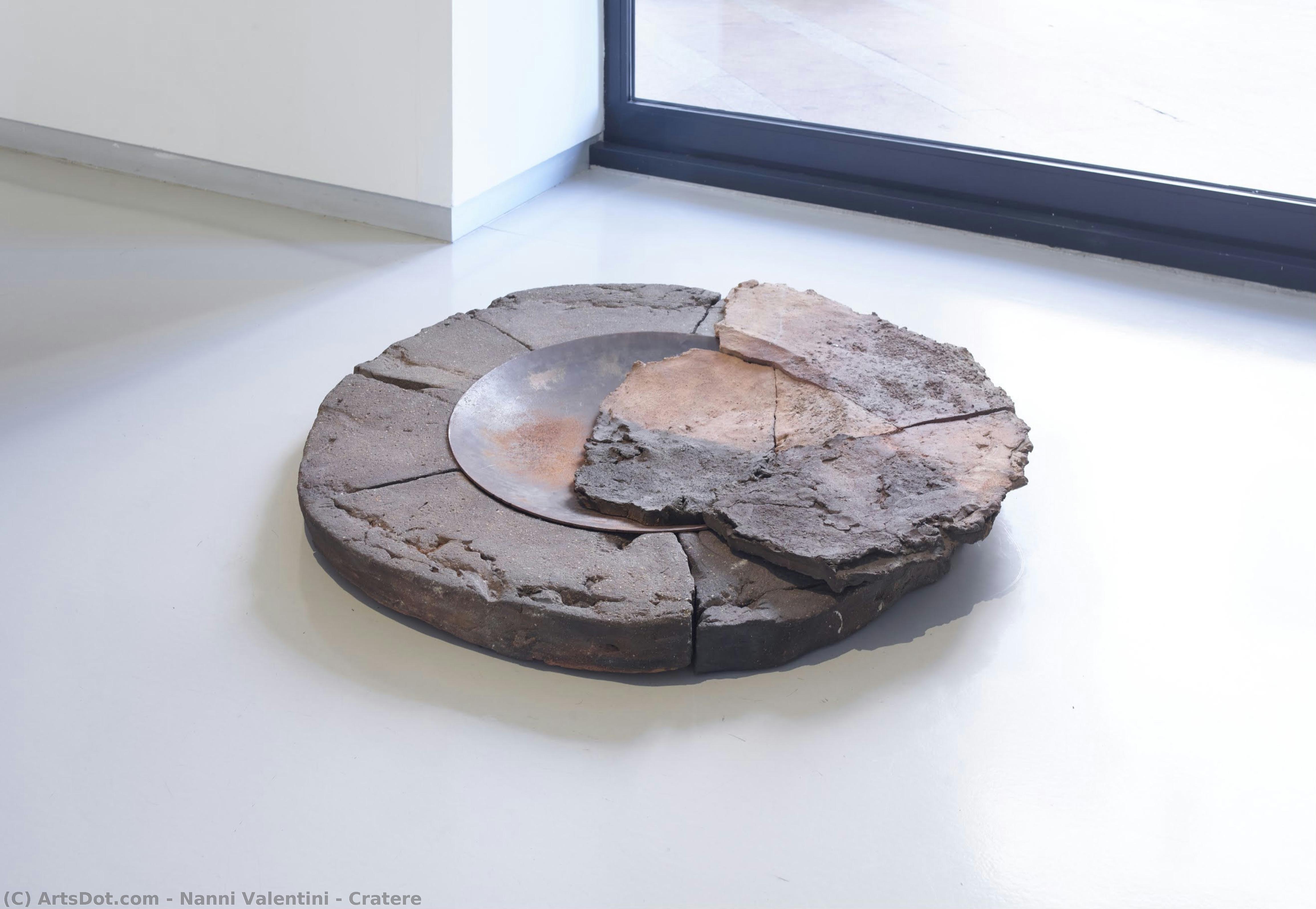
Cratere
مقاس النسخة المطبوعة


Born in Sant’Angelo in Vado, Pesaro and Urbino, Italy, in 1932, Nanni Valentini emerged as a pivotal figure in postwar European sculpture. His journey began with formal training in ceramic decoration at the local art school, followed by studies at the Art Institute of Faenza. However, it was his early collaborations with Bruno Baratti’s workshop that ignited a passion for artistic expression and earned him initial recognition through provincial awards. Valentini wasn't merely shaping clay; he was embarking on a lifelong exploration of material, form, and the very essence of sculptural creation.
The mid-1950s proved transformative as Valentini received a scholarship to Paris, immersing himself in the vibrant artistic milieu and forging connections with members of the CoBrA group. The influence of artists like Wols, Burri, Julius Bissier, and Germane Richier profoundly impacted his developing style. This period marked a shift towards experimentation with diverse materials – paper, tar, sand, bricks – alongside stoneware, laying the groundwork for his unique artistic voice. His marriage to Tina Terenzi in 1956 further solidified his personal life as he navigated the burgeoning art scene.
The move to Milan in 1957 proved decisive. Valentini quickly became integrated into a dynamic circle of artists, designers, and architects including the Pomodoro brothers, Lucio Fontana, Roberto Sanesi, and Ettore Sottsass. Fontana’s encouragement led to his first solo exhibition at Galleria dell’Ariete in 1958, catapulting him onto the Milanese art landscape. This was a period of intense intellectual exchange and collaborative projects, notably his *Serie natura* with Luigi Massoni, which explored serial production while retaining an artistic sensibility. Valentini wasn't content to work in isolation; he actively sought dialogue and synergy with fellow creatives.
Throughout the 1960s, Valentini’s artistic vision underwent a remarkable evolution. While maintaining a prolific exhibition schedule – solo shows at Galleria del Giorno and Salone Annunciata among others – he increasingly focused on fundamental questions surrounding sculptural form and image-making. His work transcended traditional ceramic boundaries, delving into the possibilities of clay as a medium for infinite transitions and realities. This period saw him teaching at the Istituto d’Arte in Monza from 1967 until 1985, sharing his knowledge and passion with a new generation of artists.
The 1970s witnessed the emergence of iconic works like *Paesaggi d’argilla* (Landscapes in Clay) and *Garze* (Herons), which embodied his desire to reinterpret earth as a source of boundless creative potential. Valentini's sculptures weren't simply objects; they were poetic explorations of nature, memory, and the human condition. His groundbreaking solo exhibition at Carla Pellegrini’s Galleria Milano in 1976 cemented his reputation as one of Italy’s foremost ceramic sculptors. Later exhibitions featuring *Trasparenze* (Transparencies), *Endimione e i 28 volti di Selene* (Endymion and the 28 Faces of Selene) further showcased his artistic depth.
Nanni Valentini’s work stands as a testament to the power of material exploration, intellectual curiosity, and collaborative spirit. His sculptures, often characterized by their raw energy and evocative forms, continue to inspire artists and captivate audiences today. He left behind a rich legacy that challenges conventional notions of sculpture and celebrates the inherent beauty and transformative potential of clay.

1959 - , Italy


ابقَ على اطلاع بأحدث أخبار الفن، والعروض الحصرية، وأفكار الديكور.
أخبرنا عن مشروعك، وسيقدم لك خبراؤنا الفنيون 3 اقتراحات فنية مخصصة لك.
دعنا نختار لك ٣ خيارات مخصصة تماماً - مجاناً!
 مشاركة

 عرض المزيد




































 خيار الزجاج متاح فقط للمقاسات التي تقل عن 110 سم


