طباعة جيكلي أو كانفاس بجودة المتاحف، مع سرعة في التنفيذ وخيارات متنوعة للتشطيب. ( شراء لوحة مرسومة يدويًا الانتقال إلى الصورة الرقمية)
اختر من بين أحجامنا المُعدّة مسبقاً والتي تتوافق مع النسب الأصلية للعمل الفني.

أدخل العرض والارتفاع المطلوبين ليتناسب المقاس مع إطارك أو جدارك. يرجى الملاحظة أن المطبوعة يمكن قصها فقط ولا يمكن تكبيرها لتتجاوز أبعاد الصورة الأصلية، لذا فإن اختيار مقاس بأبعاد مختلفة سيؤدي إلى فقدان جزء من الصورة. سنرسل لك نموذجاً رقمياً تجريبياً لاعتماده قبل البدء في عملية الطباعة. الصورة المعروضة في هذه الصفحة لا توضح شكل القص الفعلي — النموذج التجريبي فقط هو ما يظهر ذلك بدقة.
توصيل عالمي إلى خلال أسبوعين بدلاً من المدة القياسية البالغة 4/5 أسابيع. (10 نوفمبر)
St Petronius
مقاس النسخة المطبوعة
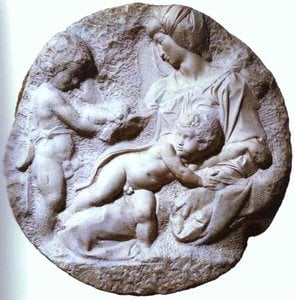
To encounter Michelangelo Buonarroti’s St Petronius is to witness the very moment a legend began to breathe life into stone. Completed in 1494, this exquisite marble sculpture emerged from the fertile creative atmosphere of Florence’s Medici gardens, a period when the young Michelangelo was already demonstrating an uncanny ability to transcend the limitations of his medium. The work serves as a profound testament to Renaissance idealism, capturing the transition from the delicate grace of the early Quattrocento to the monumental power that would soon define the High Renaissance. In this piece, we do not merely see a religious figure; we see the dawn of an era where human anatomy and spiritual devotion became inextricably linked through the artist's chisel.
The subject, Saint Petronius, the Bishop of Bologna and patron saint of scholars, is rendered with a dignity that commands immediate respect. Michelangelo captures the saint not as a distant, ethereal icon, but as a figure of palpable presence and authority. Held within his hands is an architectural model, a symbolic element that meticulously underscores his role as both a builder and a protector of the Church. This inclusion of a physical object—a miniature representation of faith and civic duty—adds a layer of intellectual depth to the sculpture, inviting the viewer to contemplate the intersection of earthly administration and divine stewardship.
The technical execution of St Petronius reveals the foundational brilliance of an artist who would eventually redefine Western art. Even in these formative years, Michelangelo’s approach to marble was revolutionary. He utilized the pristine white stone to create a breathtaking interplay of light and shadow, employing precise carving techniques to capture the subtle nuances of texture. From the heavy, rhythmic folds of the bishop's liturgical robes to the smooth, lifelike contours of the face, every surface tells a story of meticulous observation. His burgeoning mastery of anatomical accuracy is evident in the way the figure possesses a sense of internal structure and vitality, as if the marble itself were pulsing with life.
The composition is a masterclass in balance and classical proportion. The verticality of the figure provides a sense of stability and permanence, while the intricate details of the architectural model provide a focal point that draws the eye inward. For the discerning collector or interior designer, this sculpture offers a sophisticated aesthetic anchor. Its neutral palette of whites and soft beiges allows it to integrate seamlessly into diverse environments, whether placed within a classical study or as a centerpiece in a contemporary gallery. The piece does not merely occupy space; it commands it, offering an atmosphere of timeless elegance and intellectual rigor.
Beyond its historical significance, St Petronius possesses an emotional resonance that continues to captivate the modern soul. There is a quiet, contemplative strength in the saint's expression—a sense of spiritual gravity that invites moments of reflection. This is art that transcends time, offering more than just decoration; it offers a connection to the humanist revival and the enduring pursuit of beauty and truth. Owning a high-quality reproduction of such a masterpiece allows one to bring this profound sense of history and Renaissance spirit into the home.
For those seeking to curate an environment of distinction, this work serves as an inspiration. It embodies the pinnacle of craftsmanship and the eternal human desire to capture the divine within the material. Whether used to complement a collection of classical antiquities or to provide a sophisticated contrast in a modern architectural setting, St Petronius remains a powerful symbol of the transformative power of art.
يمكنكم مشاهدة عرض متتابع للصور عبر صفحة عرض شرائح الخاصة بـ "St Petronius" للفنان مايكل أنجلو.
تعود "St Petronius" إلى عصر Renaissance.
أُنجز العمل الذي ينتمي إلى مدرسة Renaissance بعنوان "St Petronius" على يد فنان وُلد في إيطاليا.
في تلال كابريزي، تعلم صبي صغير ثقل الحجر وخشونة غبار الرخام. وُلد مايكل أنجلو دي لودوفيكو بوناروتي سيموني في عام 1475، وقضى سنواته الأولى بالقرب من سيتينيانو، حيث كان والده يمتلك محجراً. كانت رائحة الأرض الرطبة وصوت المطارق وهي تضرب الصخر جزءاً لا يتجزأ من طفولته. لم يبدأ مسيرته بالفرشاة، بل بالإزميل؛ فتدريبه تحت إشراف دومينيكو غيرلانديو في فلورنسا جعله على اتصال بالاهتمام المتزايد في المدينة بالشكل البشري، ومع ذلك، كانت حدائق ميديشي هي التي شكلت رؤيته الفنية حقاً. هناك، وبين الحطام اليوناني والروماني القديم، درس كيف يسقط الضوء على العضلات والعظام.
بدأ عمله يتشكل من خلال دراسة عميقة للتشريح، حيث تأمل الطريقة التي تحمل بها الأطراف الوزن وكيف يتمدد الجلد فوق المفاصل. أصبح هذا التركيز على الواقع الجسدي للجسد لغته الأساسية. وبحلول الوقت الذي وصل فيه إلى روما عام 1496، كان قد بدأ بالفعل في نحت تماثيل تمتلك حضوراً ثقيلاً وملموساً. وتظهر لوحة البييتا، التي اكتملت عام 1499، هذه القدرة المبكرة على جعل الرخام يبدو ناعماً كاللحم، حتى وهو يحمل ثقل جسد رجل ميت.
لم تكن مهمة رسم سقف كنيسة سيستين شيئاً سعى إليه، فقد كان يرى نفسه نحاتاً، شخصاً يستخرج الحياة من الحجر بدلاً من بسط الأصباغ على الجص. ومع ذلك، عمل لمدة أربع سنوات في الأجزاء المرتفعة من الكنيسة، حيث رسم أكثر من 300 شخصية من سفر التكوين. كان العبء الجسدي واضحاً في حياته اليومية، حيث قضى ساعات في وضعيات صعبة، وجسده مجهد بسبب الارتفاع وتقنية الفريسكو الثقيلة. وفي لوحات مثل خلق آدم، نجد التوتر يكمن في تلك الفجوة الصغيرة بين إصبعين، وهي لحظة من الاقتراب الوشيك التي تأسر انتباه المشاهد من خلال التكوين الخالص.
ومع مرور الوقت، ابتعد أسلوبه عن المثالية المتوازنة لعصر النهضة العالي نحو شيء أكثر اضطراباً. وتظهر أعماله المتأخرة، مثل الدينونة الأخيرة على جدار المذبح، تحولاً نحو الأسلوب المانيري (Mannerism)؛ حيث أصبحت الأشكال أكثر استطالة والتكوينات أكثر ازدحاماً ودرامية، وهو تغيير عكس المناخ الروحي المتغير في روما. واستمر في العمل بكثافة وجدّ وجدها الكثيرون مجهدة، وغالباً ما كان يترك مشاريع غير مكتملة بينما ينتقل عقله نحو مشكلات معمارية أو نحتية جديدة.
في عقوده الأخيرة، وجه مايكل أنجلو جلّ اهتمامه إلى هيكل المباني. وفي سن الحادية والسبعين، تولى العمل في كاتدرائية القديس بطرس، حيث عدل المخططات لإنشاء تصميم أكثر ضخامة وهيبة. كما صمم مكتبة لورينزيان، حيث كسر استخدامه للعناصر المعمارية التقاليد، مما خلق إحساساً بالحركة داخل الحجر نفسه. وأظهر عمله في ساحة "بيازا ديل كامبيدوجليو" في روما كيف يمكنه تنظيم مساحة عامة باستخدام التناظر والزخارف الكلاسيكية لتوجيه العين عبر الساحة.
توفي في روما عام 1564، تاركاً وراءه إرثاً مكتوباً بالرخام والفريسكو والحجر. وقد تميزت حياته بعدة أدوار رئيسية:

1475 - 1564 , إيطاليا

Discover the sublime beauty of marble art through an expert exploration of Renaissance and Neoclassical masterpieces. From the delicate textures of Carpeaux to the grandeur of Sansovino, immerse yourself in a guide to timeless elegance and sculptural perfection.

Transform cherished photos into breathtaking 3D sculptures and marble busts with WahooArt AI. Experience the pinnacle of luxury art commissions, blending cutting-edge technology with classical mastery to create timeless, museum-quality heirlooms for your private collection.

Master the nuances of three-dimensional art with our expert guide. Explore sculptural history, from Phidias to Neoclassicism, and learn to evaluate materiality, form, and technique like a true connoisseur. Elevate your collection with profound insights into the world of sculpture.
 مشاركة
 مشاركة
 التفاصيل
 دليل
دليل

 تحميل الملف
 قطع مشابهة
 عرض شرائح
 الأسئلة والأجوبة
 الإحصائيات

 عرض المزيد






































 خيار الزجاج متاح فقط للمقاسات التي تقل عن 110 سم