استشارة فنية مجانية

x
شراء نسخة مطبوعة شراء نسخة مطبوعةاطلب نسخة مرسومة يدوياً اطلب نسخة مرسومة يدوياً مشاركةمشاركة
التفاصيلالتفاصيل أضف إلى المفضلة أضف إلى المفضلة تحميل الملفتحميل الملف قطع مشابهةقطع مشابهة الأشعة السينيةالأشعة السينية عرض شرائحعرض شرائح

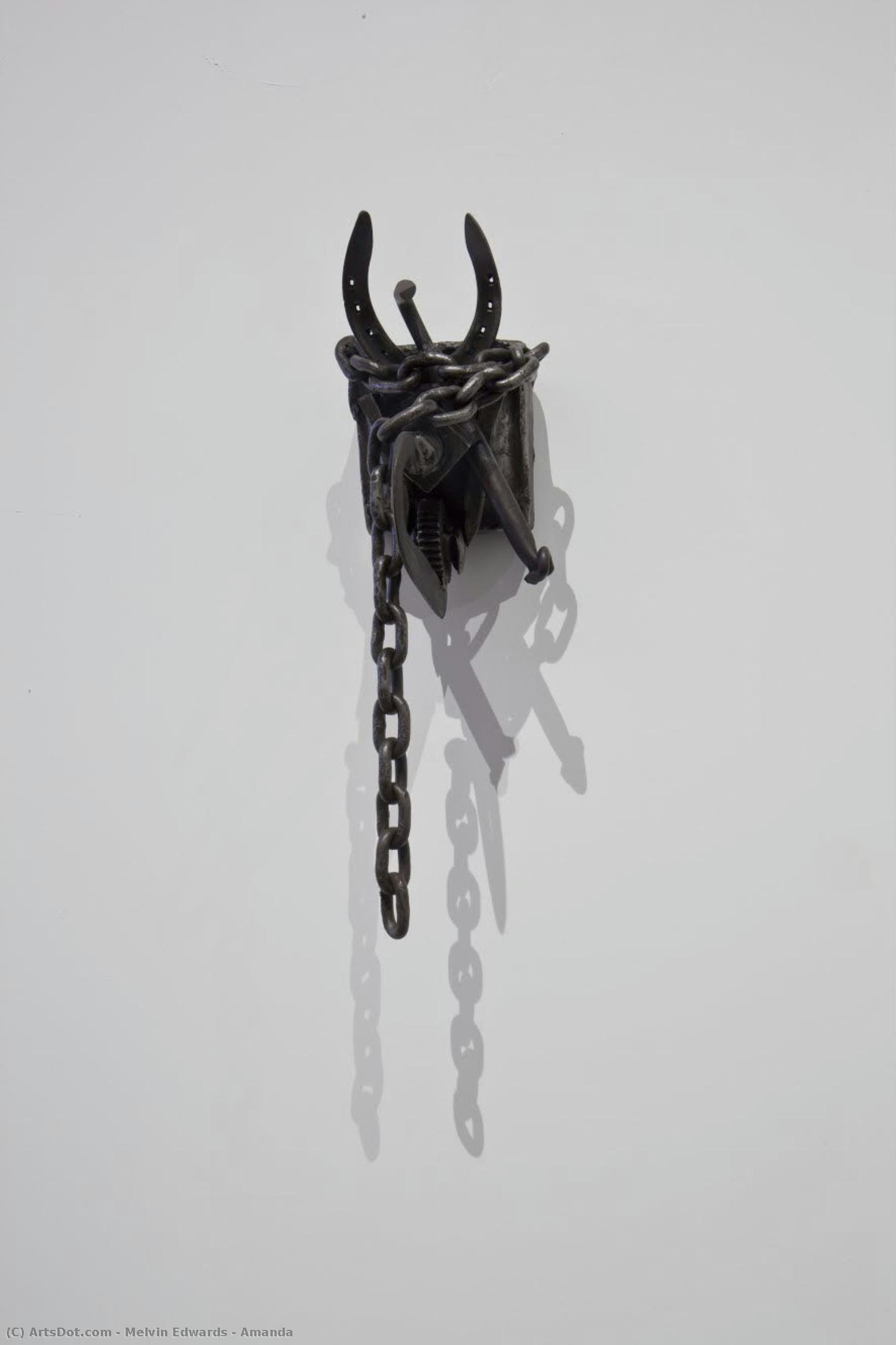
Amanda

A powerful abstract steel relief by Melvin Edwards captures themes of resilience through fragmented forms and industrial textures, offering a profound piece for collectors to explore the depths of contemporary sculpture.

Explore the powerful abstract steel sculptures of Melvin Edwards! Known for his 'Lynch Fragments' & explorations of African-American history, slavery, & political themes. A vital voice in contemporary art.

احصل على صورة رقمية عالية الدقة ومعزّنة، بجودة تفوق بكثير المعاينة عبر الإنترنت.

يتم إعداد كل ملف بعناية فائقة من قبل متخصصينا الداخليين باستخدام أدوات متقدمة ولمسات يدوية خبيرة. نضمن أن تتمتع كل صورة بوضوح استثنائي، ودقة لونية متناهية، وتفاصيل دقيقة.

يتم تسليم الملف النهائي عبر البريد الإلكتروني في غضون 72 ساعة، وهو مُحسَّن للاستخدام الفوري في المجالات المهنية والتحريرية ومجالات الطباعة. هذه هي ذات الجودة التي تعتمد عليها كبرى استوديوهات التصميم ودور النشر والمعارض الفنية المرموقة.

صورة رقمية

حمّل ملفاً عالي الدقة للعرض الشخصي، والطباعة، والمشاريع الإبداعية.

إجمالي السعر

$9.99

مزايا مُضمّنة في كل طلب صورة رقمية

تسليم رقمي احترافي، مضمون

عندما تختار WahooArt.com، فأنت لا تحصل على مجرد صورة فحسب، بل ستحصل على عمل فني رقمي مُحسّن باحترافية، صُمم بدقة متناهية ومصحوب بضمان الرضا. إليك كل ما يتضمنه طلبك تلقائياً:

shipping_icon
تسليم سريع عبر البريد الإلكتروني

ستصلك ملفات صورك الرقمية عالية الدقة عبر البريد الإلكتروني في غضون 72 ساعة من إتمام الطلب - لتكون جاهزة للاستخدام الفوري.

canvas_icon
ملف رقمي مُحسّن بالذكاء الاصطناعي

يتم تحسين عملك الفني باحترافية باستخدام أدوات الذكاء الاصطناعي المتقدمة والتحرير اليدوي، لضمان أقصى درجات التفاصيل والوضوح ودقة الألوان.

insurance_icon
إعادة إرسال مجانية مدى الحياة

هل حذفت ملفك أو فقدته عن طريق الخطأ؟ لا تقلق - سنعيد إرساله إليك في أي وقت، ومجاناً.

tax_icon
بدون رسوم استيراد - على الإطلاق

استمتع بأعمالك الفنية فوراً دون أي رسوم جمركية أو ضرائب أو مصاريف شحن - فالتحميلات الرقمية دائماً ما تكون معفاة من الضرائب.

color_icon
ضمان دقة الألوان

نحن نضمن أن تعكس صورتك الرقمية الألوان الأصلية بأقصى قدر ممكن من الدقة، وذلك باستخدام أدوات احترافية وتقنيات إدارة الألوان.

return_icon
ضمان الرضا لمدة 60 يومًا

إذا لم تكن راضياً عن صورتك الرقمية، فسنقوم بتعديلها أو استرداد 100% من قيمتها خلال 60 يوماً - دون أي أسئلة.

guarantee_icon
ضمان استعادة الأموال بنسبة % 100

لم تكن راضياً؟ احصل على استرداد كامل المبلغ خلال 60 يومًا من استلام ملفك الرقمي - دون أي أسئلة.

discount_icon
خصومات الطلبات الكبيرة

اشتري 3 صور، ووفر 10% - اشتري 5، ووفر 15% - اشتري +10، ووفر 20%. مثالية للمشاريع الإبداعية، والمعارض، والوكالات.

معلومات سريعة

  • Year: 1981
  • Location: Stephen Friedman Gallery
  • Movement: Abstract Expressionism
  • Medium: Welded Steel
  • Subject or theme: African American History
  • Artistic style: Formal Simplicity
  • Title: Amanda

اختبار الفنون

يوجد إجابة صحيحة واحدة فقط لكل سؤال.

سؤال 1:
What is Melvin Edwards known for?
سؤال 2:
What material is 'Amanda' primarily constructed from?
سؤال 3:
Which artistic movement does Melvin Edwards’ work exemplify?
سؤال 4:
What is a prominent theme explored in Edwards' sculptures, reflecting his interest in social justice?
سؤال 5:
Edwards taught at several prestigious art programs. Where was he primarily based during his teaching career?

وصف المقتنى الفني

Melvin Edwards: Sculpting Memory and Resilience

Melvin Edwards (born May 4, 1937) stands as a pivotal figure in contemporary American sculpture, recognized for his distinctive approach to abstraction and his unwavering engagement with themes of African-American history and the legacy of slavery. He is celebrated not merely for his mastery of form but also for his profound ability to imbue his work with emotional resonance—a testament to his understanding that art possesses the power to confront difficult truths and inspire contemplation about human experience. Raised amidst the segregated landscapes of Texas and later embraced by an integrated community in Ohio, Edwards’ formative experiences instilled within him a deep empathy for marginalized voices and fueled his artistic explorations toward confronting injustice. He relocated to California in 1955, initiating his professional art career during his undergraduate studies at UCLA, where he honed foundational skills in painting before transitioning to sculpture and welding techniques in the early 1960s. This decisive shift cemented his commitment to materiality as a conduit for conveying complex narratives—a strategy that would define his artistic trajectory throughout his illustrious career. Edwards’ sculptural journey culminated in a move to New York City in 1967, establishing himself within the vibrant crucible of postwar American art and forging connections with fellow innovators who challenged conventional aesthetic boundaries. His early explorations centered on welding steel, responding to the raw physicality of industrial materials and mirroring the ruggedness he perceived as emblematic of the African American struggle for dignity and equality. These initial works—often characterized by angular forms and asymmetrical compositions—served as a springboard for his subsequent investigations into more expansive conceptual frameworks. The resulting sculptures are not simply objects; they are embodiments of memory, grappling with historical trauma while simultaneously asserting resilience—a duality that underscores Edwards’ artistic vision. The centerpiece of Edwards' oeuvre is undoubtedly the series “Lynch Fragments,” begun in 1963 and continuing to evolve throughout his lifetime. These small, meticulously crafted steel assemblages—often referred to as “spike sculptures”—represent a radical departure from traditional sculptural conventions. Each piece consists of welded metal objects—spikes, scissors, chains, and fragments of industrial scrap—arranged into wall reliefs that defy easy categorization. Edwards himself described these works as metaphors for the experiences of African Americans confronting violence and oppression, referencing the lynching trials of Emmett Till and other pivotal moments in Black history. The deliberate fragmentation of form mirrors the fractured realities faced by individuals navigating systemic discrimination, while the incorporation of industrial materials speaks to the enduring influence of labor—particularly Black labor—within American society. Beyond their symbolic significance, Edwards’ sculptures possess a remarkable aesthetic quality rooted in formal simplicity and uncompromising materiality. He eschews elaborate ornamentation or decorative embellishments, prioritizing instead the inherent qualities of steel—its texture, its weight, its capacity for conveying both strength and vulnerability. The welding process itself is integral to the sculpture's expressive power, transforming raw metal into contorted shapes that appear to have been molded by forces beyond human control. This technique imbues each piece with a palpable sense of dynamism—a suggestion of movement and transformation—reflecting Edwards’ belief that art should engage viewers on an emotional level. The resulting sculptures are striking yet unpretentious, inviting contemplation about the relationship between form and content, materiality and meaning. Edwards' influence extends beyond his own artistic output; he has served as a mentor to generations of aspiring sculptors, fostering a tradition of experimentation and intellectual rigor within American art education. His unwavering dedication to exploring themes of social justice—coupled with his masterful command of sculptural technique—solidifies his position as one of the most important artists of our time. He continues to create monumental outdoor sculptures that engage audiences on a grand scale, furthering his commitment to using art as a tool for dialogue and reflection.

أعمال فنية ذات صلة


السيرة الذاتية للفنان

Melvin Edwards: Sculpting Memory and Resilience

Melvin Edwards (born May 4, 1937) stands as a pivotal figure in contemporary American sculpture, recognized for his distinctive approach to abstraction and his unwavering engagement with themes of African-American history and the legacy of slavery. Raised amidst the segregated landscapes of Texas and later embraced by an integrated community in Ohio, Edwards’ formative experiences instilled within him a profound understanding of social justice and fueled his artistic explorations. He relocated to California in 1955, initiating his professional art career during his undergraduate studies at UCLA, where he honed foundational skills in painting before transitioning to sculpture and welding techniques in the early 1960s. This pivotal shift cemented his commitment to materiality and form as vehicles for conveying complex narratives. Edwards’ artistic journey culminated in a move to New York City in 1967, establishing himself within the vibrant milieu of postwar abstraction and fostering collaborations with fellow artists who championed experimental approaches. His breakthrough came with the creation of ‘Lynch Fragments,’ a series of small, meticulously crafted steel assemblage sculptures that immediately captivated critics and collectors alike. These reliefs—composed of welded metal objects like spikes, scissors, chains, and other diminutive metal components—are characterized by their geometric precision and deliberate asymmetry, mirroring the fractured realities experienced by African Americans throughout history. The sculptures’ angular forms evoke a sense of tension and fragmentation, reflecting the trauma inflicted by racial oppression while simultaneously asserting an unwavering determination to persevere. Edwards' artistic vision draws heavily from influences ranging from Piet Mondrian’s reductive abstraction to Marcel Duchamp’s conceptual challenges to traditional sculptural conventions. He actively engages with the history of African American art and culture, referencing figures like Jacob Lawrence and Romare Bearden as sources of inspiration. Furthermore, Edwards’ work reflects a broader preoccupation with exploring the psychological impact of trauma—particularly the experience of slavery—through symbolic representations of violence and resilience. His sculptures serve not merely as visual objects but as potent statements about memory, identity, and the enduring struggle for liberation. Notable achievements include solo exhibitions at prestigious institutions such as the Whitney Museum of American Art in New York City, LACMA in Los Angeles, and the NJ State Museum in Trenton, showcasing his groundbreaking sculptural oeuvre to a global audience. His participation in over forty group exhibitions underscores his commitment to dialogue within the artistic community and contributes to a broader understanding of contemporary sculpture’s role in confronting social issues. Edwards continues to produce compelling artwork today, cementing his legacy as one of America's most important sculptors of our time.
melvin edwards

melvin edwards

1937 - , United States of America

لمحة سريعة

  • Artistic Movement Or Style: Abstract Sculpture
  • Date Of Birth: May 4, 1937
  • Full Name: Melvin Edwards
  • Nationality: American
  • Notable Artworks:
    • Lynch Fragments
    • Working Thought
  • Place Of Birth: Houston, United States