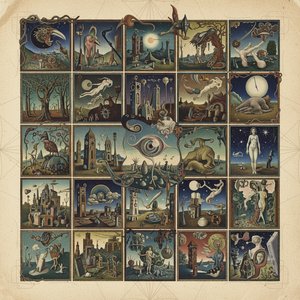
Muschelblume: A Surrealist Echo of Shells and Dreams
Max Ernst’s “Muschelblume” – literally "Shell Flower" – is not merely a depiction of a seashell; it's an invitation into the deeply personal and intellectually charged world of one of 20th-century art’s most enigmatic figures. Painted in 1928, this seemingly simple composition—a stark blue background juxtaposed with a curiously shaped white shell—holds within it layers of surrealist exploration, psychological insight, and Ernst's signature innovative techniques. The painting immediately draws the eye to the shell itself, its irregular contours suggesting both fragility and resilience, an echo of the natural world filtered through the artist’s uniquely distorted vision.
Ernst, a restless spirit born in Brühl, Germany, was far more than just a painter; he was a relentless investigator of consciousness. His early exposure to philosophy, art history, and even psychology profoundly shaped his artistic practice. He wasn't interested in replicating reality but rather in excavating the subconscious, using techniques like *frottage* – rubbing textured surfaces onto paper – and *grattage* – scraping paint across canvas – to reveal hidden imagery and emotional resonances. “Muschelblume” exemplifies this approach; the shell’s form isn't rendered with photographic precision but rather emerges from a process of intuitive exploration, hinting at a dreamlike state.
The Language of Form and Color
The deliberate use of color is crucial to understanding the painting’s impact. The deep blue background isn’t merely a backdrop; it's an active participant in the composition, creating a sense of depth and mystery. It evokes the vastness of the ocean, suggesting both tranquility and potential danger – mirroring the complexities of the human psyche that Ernst often explored. The shell itself is rendered in stark white, almost luminous against the blue, emphasizing its form and drawing attention to its unusual shape. This contrast creates a visual tension, inviting the viewer to contemplate the object’s significance.
Ernst's technique further contributes to the painting’s surreal quality. The shell isn’t smoothly rendered; there are visible brushstrokes, suggesting a process of creation rather than meticulous representation. The slight distortions in its form hint at a deliberate manipulation of reality, aligning with the core tenets of Surrealism – exploring the realm of dreams and the unconscious mind. It's as if Ernst is not simply painting a shell but capturing a fleeting impression from a subconscious memory.
Symbolic Resonance and Artistic Context
“Muschelblume” can be interpreted through several lenses, reflecting Ernst’s broader artistic concerns. Shells are often associated with the sea, representing both life and death, fertility and decay – potent symbols of transformation and rebirth. The flower element adds another layer of meaning, suggesting growth, beauty, and the ephemeral nature of existence. Considering Ernst's fascination with birds (often depicted as his alter ego, Loplop), it’s possible to see the shell as a vessel for a winged creature, further blurring the boundaries between reality and fantasy.
Painted in 1928, during a period of intense experimentation within the Surrealist movement, “Muschelblume” aligns with Ernst's exploration of automatism – a technique aimed at bypassing conscious control and allowing the unconscious to guide the creative process. This painting stands as a testament to his ability to tap into this hidden realm, producing works that are both visually arresting and psychologically profound. It’s a key example of his early work, demonstrating the foundations upon which he would build his career as a pioneering surrealist artist.
Bringing “Muschelblume” Home
WahooArt offers meticulously hand-painted reproductions of "Muschelblume," allowing you to experience the captivating beauty and intellectual depth of this iconic artwork in your own space. Our skilled artists faithfully recreate Ernst’s unique style, capturing the subtle nuances of color, texture, and form with exceptional detail. Whether displayed as a striking centerpiece or incorporated into a larger collection, a WahooArt reproduction of “Muschelblume” will serve as a constant source of inspiration and contemplation – a window into the surreal world of Max Ernst.
الأسئلة والأجوبة
ما هو الشعور الذي يرتبط بـ "Muschelblume"؟
يرتبط العمل "Muschelblume" بشعور Mysterious. ويصف هذا الطابع العاطفي الانطباع الذي يتركه العمل.
إلى أي حركة فنية وأي عصر تنتمي لوحة "Muschelblume" للفنان ماكس إرنست؟
في "Muschelblume" للفنان ماكس إرنست، تلتقي حركة Surrealism مع عصر العصر الحديث.
ما هي الزاوية الأنسب في المنزل لوضع نسخة من "Muschelblume"؟
يُنصح بوضع "Muschelblume" للفنان ماكس إرنست في Living Room. يعتمد هذا الاقتراح على موضوع العمل وألوانه وأجوائه العامة.



 معاينة الحجم الواقعي
 اطلب نسخة مرسومة يدويًا
 إرسال
إرسال مشاركة
 عرض التفاصيل
 دليل الأعمال الفنية للطلاب

 تحميل
تحميل
 قطع مشابهة
 الأشعة السينية
 عرض شرائح متتابع
 الإحصائيات
 اقرأ المزيد






































 خيار الزجاج متاح فقط للمقاسات التي تقل عن 110 سم