معاينة الحجم الواقعي معاينة بالواقع المعزز اطلب نسخة مرسومة يدويًا التحويل إلى الصورة الرقمية إرسال
عرض التفاصيل دليل الأعمال الفنية للطلاب أضف إلى المفضلة تحميل قطع مشابهة الأشعة السينية عرض شرائح متتابع الإحصائيات

Dadá-Gaugin

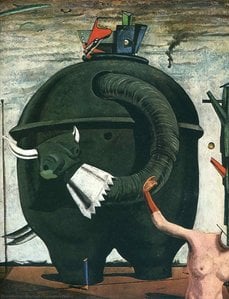
Max Ernst’s surreal "Dadá-Gaugin" depicts enigmatic figures within a complex, dreamlike scene reflecting the artist's intellectual and psychological explorations of the early 20th century. Discover this captivating artwork and bring its unique vision home.

اكتشف عالم ماكس إرنست (1891-1976)، رائد الدادة والسريالية! استكشف لوحاته الحالمة وتقنياته المبتكرة مثل الفروتاج والkolaج، واستلهم من أعماله التي تتناول المناظر الطبيعية والنفسية.

إن العمل الفني المعروض في هذه الصفحة محمي بموجب قوانين حقوق الطبع والنشر، مما يعني أنه لا يحق لنا قانوناً إنشاء أو بيع نسخ مطابقة له. وتُطبق هذه الحماية بموجب الاتفاقيات الدولية مثل الـ اتفاقية برن ووفقاً للقوانين الوطنية، بما في ذلك تلك المنصوص عليها في قانون حقوق الطبع والنشر في الولايات المتحدة - الباب 17.

تتوافق هذه الطريقة تماماً مع لوائح حقوق النشر لأنها لا تتضمن نسخ أو تكرار العمل الفني المحمي، بل هي إعادة تفسير إبداعية؛ أي أنها لوحة جديدة مستوحاة من الأصل ولكنها ليست مطابقة له.

طباعة جيلي / مطبوعات فنية

طباعة جيكلي أو كانفاس بجودة المتاحف، مع سرعة في التنفيذ وخيارات متنوعة للتشطيب. ( اطلب نسخة مرسومة يدويًا التحويل إلى الصورة الرقمية)

Corner sample of the P118B picture frame: moulded polystyrene, 5 cm wide and 3 cm thick
P118B E£10
Corner sample of the P118H picture frame: moulded polystyrene, 5 cm wide and 3 cm thick
P118H E£10
Corner sample of the P118W picture frame: moulded polystyrene, 5 cm wide and 3 cm thick
P118W E£10
Corner sample of the P438Z picture frame: moulded polystyrene, 5.5 cm wide and 3.5 cm thick
P438Z E£10
Corner sample of the P508JH picture frame: moulded polystyrene, 7 cm wide and 3.5 cm thick
P508JH E£12
Corner sample of the P508YH picture frame: moulded polystyrene, 7 cm wide and 3.5 cm thick
P508YH E£12
Corner sample of the P805H picture frame: moulded polystyrene, 5 cm wide and 3.5 cm thick
P805H E£10
Corner sample of the P805Z picture frame: moulded polystyrene, 5 cm wide and 3.5 cm thick
P805Z E£10
Corner sample of the P919BZ picture frame: moulded polystyrene, 7 cm wide and 3.5 cm thick
P919BZ E£10
Corner sample of the P919G picture frame: moulded polystyrene, 7 cm wide and 3.5 cm thick
P919G E£10
Corner sample of the P919XJ picture frame: moulded polystyrene, 7 cm wide and 3.5 cm thick
P919XJ E£10
Corner sample of the P959ZH picture frame: moulded polystyrene, 5 cm wide and 3 cm thick
P959ZH E£10
Corner sample of the P968JZ picture frame: moulded polystyrene, 6 cm wide and 4 cm thick
P968JZ E£12
Corner sample of the W106C picture frame: solid wood, 5 cm wide and 3 cm thick
W106C E£8
Corner sample of the W218G picture frame: solid wood, 5 cm wide and 3 cm thick
W218G E£10
Corner sample of the W218JH picture frame: solid wood, 5 cm wide and 3 cm thick
W218JH E£8
Corner sample of the W218Y picture frame: solid wood, 5 cm wide and 3 cm thick
W218Y E£10
Corner sample of the W307PJ picture frame: solid wood, 6 cm wide and 3 cm thick
W307PJ E£10
Corner sample of the W316G picture frame: solid wood, 6 cm wide and 3 cm thick
W316G E£10
Corner sample of the W316PJ picture frame: solid wood, 6 cm wide and 3 cm thick
W316PJ E£8
Corner sample of the W316Y picture frame: solid wood, 6 cm wide and 3 cm thick
W316Y E£10
Corner sample of the W398PJ picture frame: solid wood, 5 cm wide and 3 cm thick
W398PJ E£8
Corner sample of the W4111J picture frame: solid wood, 6.5 cm wide and 3.5 cm thick
W4111J E£10
Corner sample of the W500HY picture frame: solid wood, 7 cm wide and 5 cm thick
W500HY E£15
Corner sample of the W500JH picture frame: solid wood, 7 cm wide and 5 cm thick
W500JH E£15
Corner sample of the W692G picture frame: solid wood, 8 cm wide and 4 cm thick
W692G E£12
Corner sample of the W849H picture frame: solid wood, 5 cm wide and 3 cm thick
W849H E£8
Corner sample of the W940BG picture frame: solid wood, 7.5 cm wide and 4.5 cm thick
W940BG E£15
Corner sample of the W953PJ picture frame: solid wood, 6 cm wide and 3.5 cm thick
W953PJ E£8

مقاس قياسي
مخصص
CM
INCH

اختر من بين أحجامنا المُعدّة مسبقاً والتي تتوافق مع النسب الأصلية للعمل الفني.

العرض
الارتفاع

يمكنك إدخال أبعاد خاصة لتناسب إطاراً أو مساحة معينة. وفي حال عدم تطابق الحجم المختار مع نسب الصورة الأصلية، سنقوم إما بقص العمل الفني أو تمديد الصورة باستخدام حافة معكوسة أو لون مصمت. وسيتم إرسال نموذج تجريبي رقمي لاعتمادك قبل بدء عملية الإنتاج.
يرجى ملاحظة أن المعاينة على الشاشة لا تعكس عملية القص أو التمديد الفعلية؛ حيث سيوضح النموذج التجريبي فقط التكوين النهائي بدقة.
وعلى الرغم من توفر أحجام مخصصة، إلا أننا نوصي باختيار أبعاد من القائمة المحددة مسبقاً للحفاظ على النسب الأصلية.

توصيل عالمي إلى خلال أسبوعين بدلاً من المدة القياسية البالغة 4/5 أسابيع. (10 أكتوبر)

شحن سريع ومجاني لجميع أنحاء العالم
قماش كتان فاخر
تأمين شامل على الشحن
ضمان استرداد الرسوم الجمركية
ضمان دقة مطابقة الألوان
سياسة الإرجاع خلال 100 يوم (في حالات العيوب فقط)
ضمان استرداد نقدي بنسبة 100%
عرض خصم الكميات

إجمالي السعر

E£ 3491

Dadá-Gaugin

طباعة جيلي / مطبوعات فنية

مقاس النسخة المطبوعة

-

إجمالي السعر

E£ 3491

حقائق سريعة

  • Movement: Surrealism
  • Artist: Max Ernst
  • Subject or theme: Intrigue, mystery
  • Title: Dadá-Gaugin
  • Artistic style: Complex composition

Unveiling "Dadá-Gaugin": A Surrealist Labyrinth by Max Ernst

Max Ernst’s “Dadá-Gaugin” is not merely a painting; it's an immersion into the fractured psyche of the early 20th century. Executed in a style that seamlessly blends the dreamlike logic of Dada with the evocative symbolism of Gauguin, this work presents a disorienting tableau of figures within a deliberately ambiguous space. The scene unfolds as two men stand poised before a monumental doorway, one drawn into an unseen inner room while the other remains rooted in the present. This initial pairing immediately establishes a tension – a struggle between observation and engagement, perhaps even a confrontation with the unknown.

  • Subject Matter: The painting’s subject matter is deliberately obscure, resisting easy interpretation. It's not a narrative scene in the traditional sense but rather a collection of fragmented experiences rendered visible. The figures themselves are secondary to the overall atmosphere and the unsettling feeling they evoke.
  • Style & Technique: Ernst employs his signature techniques – frottage (rubbing) and decalcomania – to create textures and patterns that contribute to the painting’s dreamlike quality. These processes, often involving chance encounters with materials, introduce an element of spontaneity and unpredictability, mirroring the chaotic nature of the subconscious.
  • Historical Context: “Dadá-Gaugin” was created during a period of profound social and political upheaval following World War I. The Dada movement, born from this disillusionment, rejected logic and reason in favor of irrationality and absurdity. Ernst’s work reflects this spirit, challenging conventional notions of representation and inviting viewers to question their own perceptions.

Decoding the Symbolism: A Journey into the Unconscious

The painting's power lies not just in its visual impact but also in its rich symbolic content. The doorway itself is a potent symbol, representing transition, passage, and perhaps even death – a threshold between conscious awareness and the realm of dreams or the unconscious. The two men before it can be interpreted as archetypes: one representing reason and observation, the other, intuition and imagination. The scattered figures in the background further contribute to this sense of disorientation, suggesting a multitude of perspectives and experiences.

  • The Potted Plant & Decorative Elements: The inclusion of a potted plant and a vase adds an element of domesticity to the scene, yet their presence feels strangely out of place, contributing to the overall sense of unease. These objects could symbolize fertility, life, or perhaps even the artificiality of modern society.
  • Color Palette: Ernst’s use of muted earth tones – browns, greens, and ochres – creates a somber and contemplative mood. The limited color palette enhances the painting's sense of mystery and reinforces its connection to the subconscious.

Max Ernst: A Life Immersed in the Surreal

Born Maximilian Maria Ernst in 1891, Max Ernst’s artistic trajectory was marked by a relentless pursuit of innovation and experimentation. His early years were shaped by his father's influence – a teacher of the deaf who instilled in him both sensitivity and a rebellious spirit. This duality would become a cornerstone of Ernst’s artistic vision, informing his exploration of psychological themes and challenging established aesthetic conventions.

Ernst’s academic background—spanning philosophy, art history, literature, psychology, and psychiatry—provided him with a unique intellectual framework for his work. He wasn't simply interested in replicating reality; he sought to uncover the hidden truths of the human psyche through artistic means. His embrace of techniques like frottage and decalcomania allowed him to tap into this subconscious realm, creating images that are both unsettling and profoundly evocative.

Emotional Impact & Artistic Value

"Dadá-Gaugin" possesses a haunting beauty that continues to captivate viewers today. Its ambiguous nature invites contemplation and encourages multiple interpretations. This painting is more than just a reproduction; it’s an opportunity to own a piece of art history, a testament to Max Ernst's genius and his pioneering role in the development of Surrealism. A hand-painted reproduction offers a tangible connection to this seminal work, allowing you to bring its enigmatic power into your home or office.

الأسئلة والأجوبة

ما هو تنسيق "Dadá-Gaugin"؟

تأتي لوحة "Dadá-Gaugin" بتنسيق Landscape، وهو أمر مفيد عند التخطيط لمكان وضع النسخة المطبعة.

كيف يرتبط أسلوب "Dadá-Gaugin" بالعصر الذي عاش فيه مبتكرها؟

في "Dadá-Gaugin" للفنان ماكس إرنست، تلتقي حركة Surrealist Movement مع عصر العصر الحديث.

هل يتوفر "Dadá-Gaugin" كنسخة مطبوعة فنية فاخرة؟

" Dadá-Gaugin " متوفر كـ مطبوعة فنية فاخرة على قماش قطني أو ورق كانفاس أرشيفي. يمكن تقديم الطلبات عبر هذه الصفحة، بالمقاس الذي تختارونه.

كيف يتجلى التباين والانسجام في "Dadá-Gaugin"؟

يُظهر التحليل اللوني لـ "Dadá-Gaugin" للفنان ماكس إرنست تباينًا Bold وتناغمًا Discordant Palette.

ما هو اللون السائد في "Dadá-Gaugin" للفنان ماكس إرنست؟

تطغى على "Dadá-Gaugin" للفنان ماكس إرنست مسحة من اللون Golden Yellow Range.

أين يمكنني شراء نسخة مرسومة يدوياً من "Dadá-Gaugin" للفنان ماكس إرنست؟

تتوفر النسخ المرسومة يدوياً من "Dadá-Gaugin" للفنان ماكس إرنست للبيع عبر هذا الموقع: نسخة زيتية مرسومة يدوياً على قماش الكتان، ويمكن طلبها من خلال هذه الصفحة.

من هو الفنان الذي أبدع "Dadá-Gaugin"؟

تم إبداع "Dadá-Gaugin" بواسطة ماكس إرنست. وتصف المعلومات الواردة في هذه الصفحة العمل الأصلي لـ ماكس إرنست.


نبذة عن الفنان

نشأة ماكس إرنست: من بروهل إلى عالم الأحلام

ولد ماكس إرنست في الأول من أبريل عام 1891، في بلدة بروهل الصغيرة الواقعة بالقرب من كولونيا بألمانيا. كانت طفولة إرنست تتسم بالصراع بين الانضباط الصارم الذي فرضه والده، وهو معلم للصم وهواة الرسم، وبين شغفه المتزايد بالفن والتعبير عن الذات. هذه الثنائية المبكرة شكلت جوهر رؤيته الفنية اللاحقة، حيث سعى باستمرار إلى تحدي السلطة التقليدية واستكشاف أعماق النفس البشرية. دراسته في جامعة بون، التي شملت الفلسفة وتاريخ الفن والأدب وعلم النفس والطب النفسي، لم تكن مجرد مسار أكاديمي بل كانت بمثابة حجر الزاوية في فهمه للعالم وتأثيراته على فنه. لقد كان يسعى ليس فقط إلى تعلم كيفية الرسم، بل إلى فهم *لماذا* يرسم.

في عام 1912، شهد إرنست تحولاً جوهريًا في مسيرته الفنية من خلال زيارته لمعرض "سوندربوند" في كولونيا. أمام أعمال بيكاسو وفان جوخ وغوغان، أدرك إرنست قوة التعبير الفني الحديث، وبدأ رحلته نحو تجديد مفهوم الفن نفسه. هذه اللحظة كانت بمثابة الشرارة التي أشعلت ثورة فنية في داخله.

دَادَا والسريالية: تحطيم القواعد واستكشاف اللاوعي

أحدث الحرب العالمية الأولى صدمة عميقة في حياة إرنست، حيث شهد بنفسه الأهوال والفظائع التي خلفتها. هذه التجربة المريرة دفعته إلى الانضمام إلى حركة الدَادَا بعد عودته إلى كولونيا عام 1918. مع هانز آرب وغيره من الفنانين، سعى إرنست إلى تفكيك كل ما هو تقليدي ومؤسس، واحتضان العبثية والص偶然 والمنطق السلبي. كانت الدَادَا بالنسبة له وسيلة للتعبير عن رفضه للحرب والمجتمع الذي أدى إليها.

لكن الدَادَا لم تكن سوى نقطة انطلاق. سرعان ما انتقل إرنست إلى باريس، حيث انخرط في حركة السريالية التي قادها أندريه بريتون. هنا، وجد أرضًا خصبة لاستكشاف عالم الأحلام واللاوعي، مستوحياً من نظريات سيغموند فرويد النفسية. لم يكن إرنست يسعى إلى تصوير الواقع كما يبدو، بل إلى الكشف عن القوى النفسية الخفية التي تشكله.

تقنيات رائدة: الفروتاج والجرتاج والكولاج

الفروتاج (Frottage) هي واحدة من أكثر التقنيات المبتكرة التي قدمها إرنست للعالم الفني. تعتمد هذه التقنية على فرك قلم الرصاص أو الفحم على أسطح ذات ملمس، مما ينتج عنه صور غير متوقعة وغامضة. لقد اكتشف إرنست هذه التقنية بالصدفة أثناء ملاحظة حبيبات الخشب، وأدرك أنها تتيح له الوصول إلى اللاوعي وتوليد أشكال تتجاوز السيطرة الواعية. تقنية الجرتاج(Grattage) هي تقنية مماثلة تعتمد على كشط الطلاء عبر القماش للكشف عن الطبقات الكامنة تحته.

كما أتقن إرنست استخدام الكولاج، حيث يجمع عناصر متباينة – صور من المجلات والرسوم التوضيحية العلمية والصور الفوتوغرافية – في تركيبات سريالية تتحدى المفاهيم التقليدية للتمثيل. لم تكن هذه التقنيات مجرد خيارات أسلوبية، بل كانت جزءًا لا يتجزأ من استكشافه اللاوعي ورغبته في كسر الحواجز الفنية التقليدية. غالبًا ما تتميز لوحاته بصور رمزية متكررة: الطيور (وخاصةً شخصيته البديلة لوبلوب) والمناظر الطبيعية المهجورة والتراكيب غير المريحة وإحساس عام بالغموض.

إرث الابتكار والتأثير

أدت الحرب العالمية الثانية إلى اضطراره إلى الفرار من أوروبا، حيث وجد ملاذاً في الولايات المتحدة. استمر إرنست في الرسم والتجريب بتقنيات جديدة خلال منفاه، وعاد لاحقًا إلى فرنسا حيث بقي نشطًا حتى وفاته في الأول من أبريل عام 1976 في باريس. تأثيره على الأجيال اللاحقة من الفنانين لا يضاهى.

كانت مساهمة ماكس إرنست في الدَادَا والسريالية بمثابة ثورة حقيقية. لقد تحدى الأعراف الفنية، وعمق في أعماق النفس البشرية، واختراع تقنيات مبتكرة لا تزال تلهم الفنانين حتى اليوم. لم يكن مجرد رسام، بل كان مستكشفًا ومثيرًا للجدل ورائدًا وسّع حدود الفن نفسه. إن أعماله تظل شهادة على قوة الخيال وجاذبية العقلانية الدائمة والسعي لفهم تعقيدات النفس البشرية.

  • أعمال رئيسية: المدينة بأكملها، يوكلييدس، لا أحد من هؤلاء الرجال سيعرف، الغابة والحمامة
  • تأثيرات: بابلو بيكاسو، فنسنت فان جوخ، بول غوغان، سيغموند فرويد، جورجيو دي شيريكو
  • الحركات الفنية: الدَادَا، السريالية
ماكس إرنست

ماكس إرنست

1891 - 1976 , ألمانيا

لمحة سريعة

  • الأعمال البارزة:
    • المدينة بأكملها
    • يوقليدس
    • عن هذا لن يعرف أحد
    • الغابة والحمام
  • الاسم الكامل: ماكس إرنست
  • الجنسية: ألماني أمريكي، فرنسي
  • الحركات أو الفنانون المتأثرون:
    • السريالية
    • دادة
  • الحركة الفنية: دادة وسريالية
  • الفنانون المؤثرون:
    • بابلو بيكاسو
    • فنسنت فان جوخ
    • بول غوغان
    • جورجيو دي كيرتشو
  • تاريخ الميلاد: 1 أبريل 1891
  • مكان الميلاد: برول، ألمانيا
استكشف الأعمال الفنية المصنفة حسب الموضوعات والأنماط والخصائص.