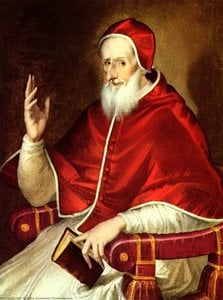
A Shadowy Master of the Baroque: Unveiling Matthias Stom
Matthias Stom remains an artist whose legacy is etched in the annals of Baroque art, yet obscured by the fog of historical obscurity. Unlike many contemporaries who flourished within the Dutch Republic’s artistic powerhouse, Stom found his creative voice primarily in Italy – a deliberate choice that speaks volumes about his ambitions and artistic sensibilities. Born around 1600, likely in Amersfoort near Utrecht, he emerged from a milieu steeped in Flemish influences, yet swiftly embraced the dramatic fervor of Caravaggism, establishing himself as a significant contributor to this revolutionary movement. Despite the paucity of biographical details – scholarly debate continues regarding potential connections to Flemish artistic circles – stylistic analysis and comparative studies illuminate Stom’s distinctive path and unwavering dedication to capturing the essence of Baroque aesthetics.
The Canvas of Dramatic Light
Stom's paintings are instantly recognizable for their masterful manipulation of chiaroscuro—the interplay between light and shadow—a technique perfected by Caravaggio himself. This stylistic hallmark isn’t merely a visual flourish; it embodies the Baroque preoccupation with conveying emotion and spiritual intensity. Observe how Stom utilizes stark contrasts to sculpt form, highlighting musculature and drapery while plunging areas into darkness, creating an atmosphere of palpable drama. The artist's meticulous attention to detail extends beyond mere representation—it strives to evoke a visceral response in the viewer, mirroring the profound religious fervor that characterized the period.
A Venetian Echo: Influences and Artistic Development
Stom’s formative years were spent absorbing the artistic currents circulating within Venice – a city renowned for its patronage of artists and its embrace of Caravaggism's expressive style. Venetian painters like Giovanni Battista Gaulli and Artemisia Gentileschi championed similar approaches to illumination and realism, fostering an environment conducive to Stom’s burgeoning talent. This Venetian influence is evident in his compositions, which often depict biblical narratives with a palpable sense of immediacy and psychological depth—a departure from the more idealized depictions prevalent in earlier artistic traditions.
Symbolism Embedded Within Form
Beyond mere visual spectacle, Stom's paintings resonate with symbolic significance rooted in Christian iconography. Consider the depiction of Saint Ambrose – frequently portrayed in ecclesiastical art – whose serene countenance contrasts sharply with the turbulent darkness surrounding him. The bishop’s mitre, a prominent feature of his attire, symbolizes authority and spiritual leadership, while the book he holds represents wisdom and divine knowledge—themes central to Augustine's theological framework, which profoundly impacted Baroque thought. Stom skillfully integrates these symbols into his canvases, enriching their narrative power and inviting contemplation on matters of faith and morality.
Emotional Resonance: Capturing Sacred Presence
Ultimately, Matthias Stom’s art transcends mere technical prowess; it succeeds in conveying a profound emotional resonance. His paintings are not simply representations of saints or biblical scenes—they aspire to capture the very essence of sacred presence. The artist achieves this feat through his masterful use of color palettes – often muted reds and golds – which imbue the canvases with warmth and solemnity. Furthermore, Stom’s meticulous rendering of textures—the folds of drapery, the smoothness of skin—creates a tactile experience for the viewer, drawing them into the depicted world and fostering a connection to its spiritual significance.
- St. Laurentiuskerk
- Explore this stunning Romanesque church & historical site featuring religious art & architecture by Theodoor Verhaegen.



 معاينة الحجم الحقيقي
 التحويل إلى المطبوعات
 مشاركة
 مشاركة
 التفاصيل

 تحميل الملف
 قطع مشابهة
 الأشعة السينية
 عرض شرائح
 الإحصائيات


 عرض المزيد