x
معاينة الحجم الحقيقيمعاينة الحجم الحقيقي معاينة بالواقع المعززمعاينة بالواقع المعزز اشترِ لوحة مرسومة يدويًا اشترِ لوحة مرسومة يدويًااشترِ الصورة اشترِ الصورة مشاركةمشاركة
التفاصيلالتفاصيل أضف إلى المفضلة أضف إلى المفضلة تحميل الملفتحميل الملف قطع مشابهةقطع مشابهة الأشعة السينيةالأشعة السينية عرض شرائحعرض شرائح

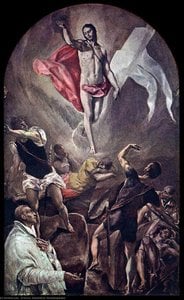
The Resurrection

Discover "The Resurrection" by Matthias Grünewald! This powerful 1515 oil painting showcases dramatic chiaroscuro & symbolic figures. Explore late Gothic/Renaissance style & a captivating masterpiece.

استكشف فن ماتياس غرونيفالد الدرامي من عصر النهضة الألماني! اشتهر بمذبح إيزنهايم ولوحاته الدينية المؤثرة عاطفياً. اكتشف أسلوبه الفريد عبر WahooArt.

طباعة جيلي / مطبوعات فنية

طباعة جيكلي أو كانفاس بجودة المتاحف، مع سرعة في التنفيذ وخيارات متنوعة للتشطيب. (اشترِ لوحة مرسومة يدويًا اشترِ لوحة مرسومة يدويًااشترِ الصورة اشترِ الصورة)

P118B $10
P118H $10
P118W $10
P438Z $10
P508JH $12
P508YH $12
P805H $10
P805Z $10
P919BZ $10
P919G $10
P919XJ $10
P959ZH $10
P968JZ $12
W106C $8
W218G $10
W218JH $8
W218Y $10
W307PJ $10
W316G $10
W316PJ $8
W316Y $10
W398PJ $8
W4111J $10
W500HY $15
W500JH $15
W692G $12
W849H $8
W940BG $15
W953PJ $8

قياسي
حسب الطلب
CM
INCH

اختر من بين أحجامنا المُعدّة مسبقًا والتي تتطابق مع النسب الأصلية للعمل الفني.

العرض
الارتفاع

يمكنك إدخال أبعادك الخاصة لتناسب إطاراً أو مساحة معينة. وإذا لم يتطابق الحجم الذي اخترته مع نسب الصورة الأصلية، فسنقوم إما بقص العمل الفني أو تمديد الصورة باستخدام حافة معكوسة أو بلون مصمت. سيتم إرسال نموذج تجريبي رقمي لاعتمادك قبل بدء الإنتاج.
يرجى ملاحظة أن المعاينة على الشاشة لا تعكس عملية القص أو التمديد الفعلية؛ حيث سيوضح النموذج التجريبي فقط التكوين النهائي بدقة.
وعلى الرغم من توفر أحجام مخصصة، إلا أننا نوصي باختيار أبعاد من القائمة المحددة مسبقاً للحفاظ على النسب الأصلية.

توصيل عالمي إلى خلال أسبوعين بدلاً من المدة القياسية البالغة 4/5 أسابيع. 30 أغسطس

why_choose_icon
شحن سريع ومجاني لجميع أنحاء العالم
why_choose_icon
قماش كتان عالي الجودة
why_choose_icon
تأمين شحن شامل
why_choose_icon
ضمان استرداد الرسوم الجمركية
why_choose_icon
ضمان مطابقة الألوان الحقيقية
why_choose_icon
سياسة الإرجاع خلال 60 يومًا (في حالات العيوب فقط)
why_choose_icon
ضمان استرداد نقدي بنسبة 100%
why_choose_icon
خصم عند طلب عدة قطع

إجمالي السعر

$ 68

reproduction

The Resurrection

طباعة جيلي / مطبوعات فنية

مقاس النسخة المطبوعة

-

السعر الإجمالي النهائي

$ 68

معلومات سريعة

  • Medium: Oil on panel
  • Artistic style: Expressionism
  • Artist: Matthias Grünewald
  • Year: 1515
  • Location: Unterlinden Museum, Colmar
  • Movement: Late Gothic
  • Notable elements: Dramatic figures

اختبار الفنون

يوجد إجابة صحيحة واحدة فقط لكل سؤال.

سؤال 1:
What is the primary subject depicted in Matthias Grünewald’s ‘The Resurrection’?
سؤال 2:
Which artistic technique is most prominently featured in ‘The Resurrection’ to create a dramatic effect?
سؤال 3:
The painting ‘The Resurrection’ is believed to have been created during which historical period?
سؤال 4:
What does the radiant halo surrounding Christ’s head in ‘The Resurrection’ symbolize?
سؤال 5:
Based on the image description, what is a key characteristic of the fallen soldiers depicted in ‘The Resurrection’?

A Vision of Ascent: Matthias Grünewald’s “The Resurrection”

Matthias Grünewald's "The Resurrection," painted around 1515, isn’t merely a depiction of a biblical event; it’s a visceral experience. This monumental panel, now housed in the Unterlinden Museum in Colmar, France, transcends simple narrative to become a profound meditation on faith, sacrifice, and the triumph over darkness. It's a work that immediately commands attention, not through polished realism, but through an intensely emotional and dramatically charged atmosphere – a hallmark of Grünewald’s unique Northern Renaissance style.

The painting unfolds as a carefully orchestrated drama. At its heart stands Christ, not in serene repose, but powerfully ascending into the heavens. His body, ravaged by the wounds of the crucifixion, is rendered with an almost agonizing detail – the flayed skin, the exposed nails, the blue-tinged lips conveying both suffering and divine presence. This isn’t idealized beauty; it's a raw, unflinching portrayal of human agony transformed into spiritual victory. Below him lies a chaotic tableau of fallen Roman soldiers, their armor scattered, weapons abandoned, symbolizing the defeat of earthly power by the resurrected Christ.

The Language of Light and Shadow: Technique and Style

Grünewald’s mastery lies in his manipulation of light and shadow – a technique known as *chiaroscuro*. The scene is dominated by deep, almost impenetrable blacks that contrast sharply with the radiant glow emanating from Christ himself. This dramatic lighting isn't just aesthetic; it serves to elevate Christ to a divine level, casting him as the source of all illumination and hope. The artist employs impasto – thick layers of paint applied directly to the panel – creating a tactile surface that adds depth and physicality to the figures and architectural elements. The brushstrokes are visible, lending a sense of immediacy and energy to the composition.

Notice also the deliberate flattening of perspective. Grünewald prioritizes emotional impact over strict realism, drawing the viewer’s eye upwards towards Christ's ascent through strong diagonals and a tightly structured composition. This compositional choice reinforces the painting’s central theme: the movement from earthly suffering to heavenly glory.

Symbolism and Context: A Hospital Altarpiece

“The Resurrection” wasn’t created for a grand cathedral, but for the hospital of St. Anthony in Issenheim, a monastery dedicated to caring for plague victims. The monks there were particularly skilled at treating ergotism, a debilitating disease characterized by gangrene and convulsions. The imagery within the painting – Christ's wounds mirroring the symptoms of the afflicted – was intended to offer comfort and reassurance to those suffering from this horrific illness. It’s a poignant example of art serving as a source of spiritual healing.

Furthermore, the inclusion of figures like Saint Sebastian (pierced by arrows) and John the Baptist (pointing towards Christ) adds layers of symbolic meaning. Sebastian represents martyrdom and sacrifice, while John foreshadows the coming of the Messiah. The lamb, held by John, is a potent symbol of Christ as the sacrificial Lamb of God.

A Legacy of Dramatic Intensity

“The Resurrection” remains one of Grünewald’s most powerful and enduring works. Its raw emotion, dramatic composition, and profound symbolism continue to resonate with viewers centuries later. It's a testament to the artist’s ability to capture not just the events of the biblical narrative, but also the complex emotions associated with faith, suffering, and redemption. Reproductions of this masterpiece offer a remarkable opportunity to experience Grünewald’s visionary style in your own space – a window into a world of intense spirituality and artistic brilliance.


السيرة الذاتية للفنان

ماتياس غرونيفالد: حياة وإرث خالد

البدايات المبكرة والنشأة الفنية

يبرز اسم ماتياس غرونيفالد، الذي ولد باسم ماتيس غوثارت نيهاردت في الفترة ما بين 1470-1475 في مدينة فورتسبورغ بألمانيا، كشخصية محورية ومؤثرة في عصر النهضة الألماني. ورغم أنه عاش في حقبة بدأت تتأثر بشكل متزايد بالمبادئ المثالية لعصر النهضة الإيطالي، إلا أن غرونيفالد ظل متمسكاً بجذوره العميقة في التقاليد الفنية لأواخر العصور الوسطى في وسط أوروبا. ومع ندرة التفاصيل المتاحة حول حياته المبكرة، إلا أنه من المؤكد أنه تلقى تدريبه الفني، على الأرجوذ، داخل الورش المحلية التي كانت تنبض بالحياة آنذاك.

التطور الفني ومصادر الإلهام

تشكل المسار الفني لغرونيفالد من خلال التقاليد السائدة في شمال أوروبا، والتي ركزت على الواقعية، والكثافة العاطفية، والدقة المتناهية في الملاحظة. وتظهر أعماله تأثرات واضحة بفنانين كبار مثل ألبريشت دورر ومارتن شونغاور، لكنه استطاع ببراعة أن يشق لنفسه طريقاً فريداً يتميز بالتعبير الدرامي والألوان النابضة بالحياة. ولم يكن غرونيفالد منخرطاً بشكل مباشر في الدوائر الإنسانية التي كانت سائدة في إيطاليا؛ بل إن فنه كان يخدم غرضاً دينياً في المقام الأول، عاكساً القلق الروحي والوجداني الذي ساد عصره.

أبرز الأعمال والأسلوب الفني

  • مذبح إيزنهايم (1512-1516): تُعد هذه التحفة الفنية، والمحفوظة في متحف أونترليندن في كولمار، العمل الأسمى لغرونيفالد. فهي تجسد مشاهد من حياة المسيح بواقعية مذهلة ومؤثرة، مع التركيز بشكل خاص على ثنائية المعاناة والخلاص.
  • الصلب (حوالي 1502-1503): عمل مبكر يبرز تطور أسلوبه، حيث يستعرض العاطفة الجياشة والدقة التشريحية العالية.
  • عذراء البشارة (1512-14): دراسة فنية لمذبح إيزنهايم، تكشف عن عملية التخطيط الدقيقة والمضنية التي كان يتبعها.
  • موسى (1511): رسم يبرز مهارة غرونيفالد الفائقة في التقاط الشخصيات التعبيرية والوضعيات الدرامية.

ويتجلى تميز أسلوب غرونيفلد من خلال عدة عناصر فنية:

  • التكوين الدرامي: حيث استخدم ترتيبات ديناميكية لتعزيز التأثير العاطفي على المشاهد.
  • لوحة ألوان حيوية: إذ خلق استخدامه للألوان القوية والمتضاربة تجربة بصرية قوية ومؤثرة.
  • التصوير الواقعي للمعاناة: فلم يتردد غرونيفالد في تصوير الألم الجسدي والنفسي المرتبط بالقصص الدينية بكل صدق.
  • الشخصيات التعبيرية: حيث نجد شخصياته مفعمة بمشاعر جياشة وعمق نفسي لافت.

الأهمية التاريخية والإرث الفني

يقف عمل غرونيفالد كشاهد حي على القوة المستمرة للتقاليد الفنية في العصور الوسطى بألمانيا خلال عصر النهضة. لقد نجح في جسر الهوة بين أسلوب القوطية المتأخرة وعصر النهضة الناشئ، مبتكراً لغة بصرية فريدة لامست وجدان معاصريه. ويمكن رؤية تأثيره جلياً في الفنانين الألمان اللاحقين الذين واصلوا استكشاف موضوعات الحماس الديني والكثافة العاطفية. ورغم أنه تعرض للنسيان إلى حد كبير لعدة قرون بعد وفاته عام 1528، إلا أن أعماله شهدت إحياءً كبيراً في القرن التاسع عشر، ويُعرف اليوم كواحد من أهم رسامي عصر النهضة الألماني. فما زال فنه يأسر المشاهدين بعاطفته الخام، وبراعته التقنية، وعمقه الروحي السامي.

لمزيد من الاستكشاف

اكتشف المزيد عن حياة وأعمال ماتياس غرونيفالد عبر: WahooArt

ماتياس غرونيفالد

ماتياس غرونيفالد

1480 - 1528 , ألمانيا

حقائق سريعة

  • Birth Date: حوالي 1470–1475
  • Birth Place: فورتسبورغ، ألمانيا
  • Death Date: 1528
  • Influenced: لا يوجد
  • Movement: النهضة الألمانية، أواخر العصور الوسطى
  • Name: ماتياس غرونيفالد
  • Nationality: ألماني
  • Notable Works: مذبح إيزنهايم، الصلب
استكشف الأعمال الفنية المصنفة حسب الموضوعات والأنماط والخصائص.