


 ChalkNorthern Renaissance
 1520
1520 316.0 x 215.0 cm
 Staatliche Museen
لوحة زيتية مرسومة يدوياً على الكانفاس بالمقاس والإطار الذي تفضله، تُنفذ حسب الطلب على أيدي فنانينا. ( اشترِ نسخة مطبوعة اشترِ الصورة)





























اختر من بين أحجامنا المُعدّة مسبقًا والتي تتطابق مع النسب الأصلية للعمل الفني.

يمكنك إدخال أبعادك الخاصة لتناسب إطارًا معينًا أو مساحة محددة. وإذا لم يتطابق الحجم الذي اخترته مع نسب الصورة الأصلية، فسنقوم إما بقص العمل الفني أو توسيع اللوحة بإضافة عناصر مرسومة يدويًا. سيتم إرسال نموذج رقمي إليك للموافقة عليه قبل بدء الإنتاج.
يرجى ملاحظة أن المعاينة على الشاشة لا تعكس عملية القص أو التوسيع الفعلية؛ حيث إن النموذج الرقمي وحده هو الذي سيوضح التكوين النهائي بدقة.
وعلى الرغم من توفر أحجام مخصصة، إلا أننا نوصي باختيار أبعاد من القائمة المحددة مسبقًا للحفاظ على النسب الأصلية للعمل الفني.
توصيل عالمي إلى خلال 3 إلى 4 أسابيع بدلاً من المدة المعتادة البالغة 5 أسابيع. (7 سبتمبر). جودة لا تهاون فيها.


St Catherine
مقاس النسخة المطبوعة
Matthias Grünewald's 1520 chalk drawing, “St Catherine,” is more than just a portrait; it’s a profound meditation on faith, scholarship, and the enduring power of medieval symbolism. This remarkable work, currently residing in the Staatliche Museen zu Berlin, offers a captivating glimpse into the artist’s unique vision – a synthesis of late Gothic sensibilities with nascent Renaissance influences. Grünewald, a pivotal figure in German art, deliberately eschewed the prevailing Italian humanist trends, instead drawing deeply from the rich traditions of Central European religious painting, resulting in an intensely personal and emotionally resonant style.
The image depicts St Catherine from the waist up, her head tilted slightly downwards as if lost in contemplation. Her posture exudes a quiet dignity, while the subtle turn of her neck invites us into her inner world. She’s dressed in a gown with voluminous sleeves – a detail that speaks to both the formality of her status and the luxurious fabrics favored by wealthy patrons during the period. Crucially, she holds two objects: an open book or manuscript, symbolizing her role as a learned scholar, and a sword raised upright, representing her martyrdom and unwavering faith. These symbols aren’t merely decorative; they are potent visual statements about Catherine's life and devotion.
Grünewald’s masterful technique is immediately apparent. The drawing is executed with exquisite detail using chalk on paper, a medium that allowed for the delicate shading and fine lines characteristic of his work. Notice the subtle gradations of tone – the way light catches on her dress, the modeling of her face, and the atmospheric haze in the background. This meticulous attention to texture and form creates a remarkable sense of depth and realism, despite the relatively small scale of the piece. The artist’s use of chalk also lends a slightly ethereal quality to the image, contributing to its contemplative mood.
Furthermore, Grünewald's style deviates significantly from the prevailing Renaissance aesthetic. Unlike the idealized figures favored by artists like Albrecht Dürer, Catherine is rendered with a certain distortion – her proportions aren’t perfectly symmetrical, and her features possess an expressive intensity. This deliberate departure from classical ideals reflects Grünewald’s commitment to conveying emotional truth rather than purely visual accuracy. The background, deliberately minimalistic, consists of only a few suggestive lines—perhaps hinting at a cloudy sky or an abstract representation of the heavens – further emphasizing the saint's presence and drawing our focus entirely onto her.
Created in 1520, “St Catherine” exists within a fascinating transitional period in art history. Grünewald was working at a time when the influence of Italian Renaissance humanism was beginning to spread across Europe, yet he remained firmly rooted in the traditions of late medieval Central European painting. The saint herself holds significant religious importance – she is venerated as a martyr and patron saint of scholars, librarians, and translators. Her story, recounted in early Christian hagiographies, details her conversion after being saved from execution by St Peter, who recognized her divine calling.
Interestingly, the figure of Catherine has been associated with intellectual pursuits for centuries. Her association with learning stems from her devotion to scripture and her role as a translator of the Bible. The book she holds in the drawing symbolizes this scholarly dedication, while the sword represents her willingness to defend her faith against persecution. The combination of these symbols creates a powerful image of a woman who embodies both spiritual strength and intellectual prowess.
“St Catherine” is a testament to Matthias Grünewald’s artistic genius – a work that seamlessly blends technical skill with profound emotional depth. It's a poignant reminder of the artist’s ability to capture not just the likeness of his subject, but also her inner world. The drawing’s enduring appeal lies in its ability to evoke a sense of quiet contemplation and spiritual yearning. As a significant example of Northern Renaissance art, it continues to inspire artists and scholars alike, offering a valuable window into the artistic and intellectual landscape of 16th-century Germany.

يبرز اسم ماتياس غرونيفالد، الذي ولد باسم ماتيس غوثارت نيهاردت في الفترة ما بين 1470-1475 في مدينة فورتسبورغ بألمانيا، كشخصية محورية ومؤثرة في عصر النهضة الألماني. ورغم أنه عاش في حقبة بدأت تتأثر بشكل متزايد بالمبادئ المثالية لعصر النهضة الإيطالي، إلا أن غرونيفالد ظل متمسكاً بجذوره العميقة في التقاليد الفنية لأواخر العصور الوسطى في وسط أوروبا. ومع ندرة التفاصيل المتاحة حول حياته المبكرة، إلا أنه من المؤكد أنه تلقى تدريبه الفني، على الأرجوذ، داخل الورش المحلية التي كانت تنبض بالحياة آنذاك.
تشكل المسار الفني لغرونيفالد من خلال التقاليد السائدة في شمال أوروبا، والتي ركزت على الواقعية، والكثافة العاطفية، والدقة المتناهية في الملاحظة. وتظهر أعماله تأثرات واضحة بفنانين كبار مثل ألبريشت دورر ومارتن شونغاور، لكنه استطاع ببراعة أن يشق لنفسه طريقاً فريداً يتميز بالتعبير الدرامي والألوان النابضة بالحياة. ولم يكن غرونيفالد منخرطاً بشكل مباشر في الدوائر الإنسانية التي كانت سائدة في إيطاليا؛ بل إن فنه كان يخدم غرضاً دينياً في المقام الأول، عاكساً القلق الروحي والوجداني الذي ساد عصره.
ويتجلى تميز أسلوب غرونيفلد من خلال عدة عناصر فنية:
يقف عمل غرونيفالد كشاهد حي على القوة المستمرة للتقاليد الفنية في العصور الوسطى بألمانيا خلال عصر النهضة. لقد نجح في جسر الهوة بين أسلوب القوطية المتأخرة وعصر النهضة الناشئ، مبتكراً لغة بصرية فريدة لامست وجدان معاصريه. ويمكن رؤية تأثيره جلياً في الفنانين الألمان اللاحقين الذين واصلوا استكشاف موضوعات الحماس الديني والكثافة العاطفية. ورغم أنه تعرض للنسيان إلى حد كبير لعدة قرون بعد وفاته عام 1528، إلا أن أعماله شهدت إحياءً كبيراً في القرن التاسع عشر، ويُعرف اليوم كواحد من أهم رسامي عصر النهضة الألماني. فما زال فنه يأسر المشاهدين بعاطفته الخام، وبراعته التقنية، وعمقه الروحي السامي.
اكتشف المزيد عن حياة وأعمال ماتياس غرونيفالد عبر: WahooArt

1480 - 1528 , ألمانيا

Elevate your artistic practice with this expert guide to mastering the line. Discover advanced techniques in graphite, charcoal, and contour drawing designed for art students seeking technical precision and expressive depth in their fine art studies.
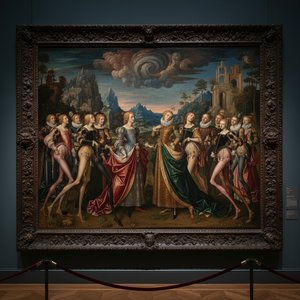
Explore the dramatic evolution of Northern Mannerism. Discover how masters like Bosch and Grünewald transitioned from Renaissance harmony to profound, elegant distortion through an expert analysis of symbolism, emotional intensity, and artistic innovation.

Embark on a visual journey through Early Medieval art. Explore the profound beauty of illuminated manuscripts, sacred symbols, and golden light through an expert historical lens, celebrating the enduring legacy of medieval craftsmanship and divine artistry.

Explore the profound artistry of graphite drawing. Discover professional techniques for mastering depth, texture, and detail through a lens of art history, from classical sketches to modern masterpieces. Elevate your understanding of the pencil medium with our expert guide.

Embark on a scholarly journey through the sacred beauty of High Medieval art. Discover the profound symbolism, luminous iconography, and spiritual depth of Gothic masterpieces in this expert guide for classical art enthusiasts.

 معاينة الحجم الحقيقي
 مشاركة
 مشاركة
 التفاصيل

 تحميل الملف
 قطع مشابهة
 الأشعة السينية
 عرض شرائح
 عرض المزيد







 خيار الزجاج متاح فقط للمقاسات التي تقل عن 110 سم


