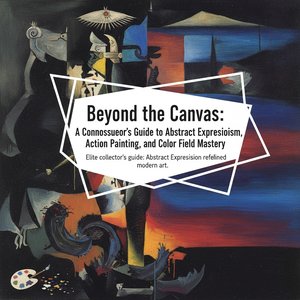
The Luminous Silence of Untitled 7
To stand before Mark Rothko’s Untitled 7 is to enter a sanctuary of pure, unadulterated light. Created during the artist's prolific New York period between 1960 and 1961, this square canvas serves as a profound testament to the power of color field painting. At first glance, the work appears deceptively simple, dominated by a radiant, luminous yellow that seems to pulse from within the fibers of the canvas. Yet, beneath this bright exterior lies a complex emotional architecture. Rothko does not merely present color; he orchestrates an experience of quiet resonance, inviting the viewer into a state of deep contemplation and meditative stillness.
The technique employed here is a masterclass in subtlety and atmospheric depth. Eschewing traditional brushwork that defines form, Rothko utilized the method of layering incredibly thin, translucent washes of pigment. This painstaking process allows colors to bleed into one another, creating soft, hazy boundaries where shapes appear to float or dissolve. While yellow provides the primary light source for the piece, the composition is enriched by a carefully balanced palette of red, green, purple, black, and orange. These hues do not compete for dominance; instead, they exist in a harmonious, almost rhythmic proximity, creating an illusion of depth that draws the eye inward toward a spiritual center.
A Legacy of Emotion and Transcendence
The historical weight of Untitled 7 is inseparable from the era of its creation. Emerging from the turbulent landscape of postwar America, Rothko sought to move beyond the frantic energy of early Abstract Expressionism toward something more elemental and eternal. His work was a reaction against the structured logic of Cubism and the dream-logic of Surrealism, aiming instead for a direct conduit to the human psyche. Drawing inspiration from the profound stillness found in Eastern Orthodox spirituality, Rothko used his canvases to explore the most fundamental human experiences: grief, ecstasy, and the search for meaning amidst existential anxiety.
For the modern collector or interior designer, this piece offers much more than mere aesthetic appeal; it provides a focal point of emotional gravity. The painting functions as a portal, capable of transforming a room into a space of introspection and calm. Because the work lacks recognizable figures, its symbolism remains fluid, allowing each viewer to project their own internal landscape onto its glowing surfaces. Whether used to anchor a minimalist gallery or to provide a soulful centerpiece in a contemporary living space, Untitled 7 remains an enduring icon of the sublime—a masterpiece that captures the very essence of light and the quiet beauty of the human spirit.
الأسئلة والأجوبة
من هو الفنان وما هو الأسلوب الذي يجسده العمل "Untitled 7"؟
يقف وراء "Untitled 7" كل من مارك روثكو وحركة Abstract Expressionism.
ما هي العاطفة التي ينقلها عمل Abstract Expressionism بعنوان "Untitled 7"؟
يحمل "Untitled 7" نبرة عاطفية Calm ضمن حركة Abstract Expressionism.
من أي بلد ينتمي عمل Abstract Expressionism بعنوان "Untitled 7"؟
تربط لوحة "Untitled 7" بين حركة Abstract Expressionism ولاتفيا من خلال مسقط رأس مبدعها.



 معاينة الحجم الواقعي
 اطلب نسخة مرسومة يدويًا
 إرسال
إرسال مشاركة
 عرض التفاصيل
 دليل الأعمال الفنية للطلاب

 تحميل
تحميل
 قطع مشابهة
 الأشعة السينية
 عرض شرائح متتابع
 الإحصائيات

 اقرأ المزيد






































 خيار الزجاج متاح فقط للمقاسات التي تقل عن 110 سم