استشارة فنية مجانية

x
اطلب نسخة مرسومة يدوياً اطلب نسخة مرسومة يدوياًشراء الصورة بدقة عالية شراء الصورة بدقة عالية مشاركةمشاركة
التفاصيلالتفاصيل أضف إلى المفضلة أضف إلى المفضلة تحميل الملفتحميل الملف قطع مشابهةقطع مشابهة الأشعة السينيةالأشعة السينية عرض شرائحعرض شرائح

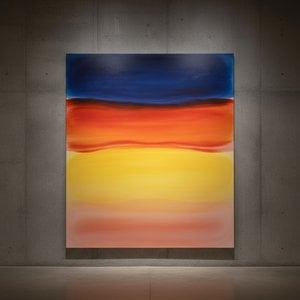
Untitled 63

Experience the emotional depth of Mark Rothko's 'Untitled 63'. This iconic Color Field painting features layered rectangles of vibrant color, reflecting themes of loss and existential contemplation – a masterpiece of Abstract Expressionism.

استكشف عالم مارك روثكو، الرائد في التعبيرية المجردة ولوحات الحقول اللونية. أعماله المؤثرة مثل "الرقصة" و"الكنيسة الروثكو" تعكس عمقًا عاطفيًا وتأثيرًا تاريخيًا هائلاً.

طباعة جيلي / مطبوعات فنية

طباعة جيكلي أو كانفاس بجودة المتاحف، مع سرعة في التنفيذ وخيارات متنوعة للتشطيب.

P118B $10
P118H $10
P118W $10
P438Z $10
P508JH $12
P508YH $12
P805H $10
P805Z $10
P919BZ $10
P919G $10
P919XJ $10
P959ZH $10
P968JZ $12
W106C $8
W218G $10
W218JH $8
W218Y $10
W307PJ $10
W316G $10
W316PJ $8
W316Y $10
W398PJ $8
W4111J $10
W500HY $15
W500JH $15
W692G $12
W849H $8
W940BG $15
W953PJ $8

Standard
custom
CM
INCH

اختر من بين أحجامنا المُعدّة مسبقًا والتي تتطابق مع النسب الأصلية للعمل الفني.

العرض
الارتفاع

يمكنك إدخال أبعادك الخاصة لتناسب إطاراً أو مساحة معينة. وإذا لم يتطابق الحجم الذي اخترته مع نسب الصورة الأصلية، فسنقوم إما بقص العمل الفني أو تمديد الصورة باستخدام حافة معكوسة أو بلون مصمت. سيتم إرسال نموذج تجريبي رقمي لاعتمادك قبل بدء الإنتاج.
يرجى ملاحظة أن المعاينة على الشاشة لا تعكس عملية القص أو التمديد الفعلية؛ حيث سيوضح النموذج التجريبي فقط التكوين النهائي بدقة.
وعلى الرغم من توفر أحجام مخصصة، إلا أننا نوصي باختيار أبعاد من القائمة المحددة مسبقاً للحفاظ على النسب الأصلية.

توصيل عالمي إلى خلال أسبوعين بدلاً من المدة القياسية البالغة 4/5 أسابيع. 2 يوليو

why_choose_icon
شحن سريع ومجاني لجميع أنحاء العالم
why_choose_icon
قماش كتان عالي الجودة
why_choose_icon
تأمين شحن شامل
why_choose_icon
ضمان استرداد الرسوم الجمركية
why_choose_icon
ضمان مطابقة الألوان الحقيقية
why_choose_icon
سياسة الإرجاع خلال 60 يومًا (في حالات العيوب فقط)
why_choose_icon
ضمان استرداد نقدي بنسبة 100%
why_choose_icon
خصم عند طلب عدة قطع

إجمالي السعر

-

reproduction

Untitled 63

طباعة جيلي / مطبوعات فنية

مقاس النسخة المطبوعة

-

السعر الإجمالي النهائي

-

معلومات سريعة

  • Location: Private Collection
  • Artist: Mark Rothko
  • Artistic style: Color Field Painting
  • Influences:
    • Lyubov Popova
    • Piet Mondrian
  • Movement: Abstract Expressionism
  • Medium: Paint

اختبار الفنون

يوجد إجابة صحيحة واحدة فقط لكل سؤال.

سؤال 1:
Based on the image description, what is the primary focus of ‘Untitled 63’?
سؤال 2:
Mark Rothko is primarily associated with which art movement?
سؤال 3:
The image description mentions that the painting features 'various shapes and colors'. What artistic technique is most strongly implied by this description?
سؤال 4:
According to the artist biography, what influenced Rothko's early artistic vision?
سؤال 5:
Rothko’s decision to refund a commission for murals at the Seagram Building is best interpreted as reflecting:

وصف القطعة الفنية

The Genesis of Color and Displacement

Mark Rothko's "Untitled 63" isn’t merely a painting; it’s an immersion. Born in 1903 in Dvinsk, Latvia – a region steeped in historical tension and shifting borders – Rothko’s early life profoundly shaped his artistic vision. His family’s journey from the Pale of Settlement to Portland, Oregon, in 1913 marked a dramatic cultural upheaval, a displacement that resonated deeply within him. The loss of his father at a young age, coupled with the challenges of assimilation and the ever-present anxieties of Jewish life under Tsarist rule, instilled a sensitivity to human suffering – a core theme that would permeate much of his work. This early experience of loss and uncertainty isn’t just biographical; it's woven into the very fabric of the painting, manifesting as an underlying sense of melancholy and yearning.

Rothko’s upbringing was remarkably intellectual. His father, a pharmacist and socialist, fostered a home filled with debate and learning, exposing young Mark to radical ideas and encouraging critical thinking. This environment instilled in him a deep appreciation for knowledge and a questioning spirit – qualities that would later inform his approach to art. The move to the United States wasn’t simply a geographical shift; it was a severing of ties to a familiar past, forcing Rothko to confront new identities and grapple with the complexities of belonging. This foundational experience of displacement is arguably the key to understanding the emotional depth of "Untitled 63" – a painting that speaks volumes about the human condition through its carefully orchestrated fields of color.

Color as Emotion: The Language of Abstract Expressionism

"Untitled 63" exemplifies Rothko’s signature style within Color Field Painting, a movement he helped pioneer. The work eschews traditional representation, instead focusing on the pure emotional impact of color itself. Large, rectangular blocks of deep violet, verdant green, and resonant red dominate the canvas, layered upon one another to create an almost palpable sense of depth and atmosphere. These aren’t simply colors; they are vessels for feeling – evoking a range of emotions from quiet contemplation to profound sorrow. Rothko meticulously applied thin layers of paint, allowing the colors to bleed subtly into each other, creating hazy, luminous effects that seem to vibrate with inner light.

The technique is deceptively simple yet incredibly complex. Rothko’s process involved applying multiple coats of thinned paint, often using a squeegee to create smooth, even surfaces. He avoided brushstrokes, opting instead for a flat, almost sculptural quality that further emphasizes the colors' inherent luminosity. This deliberate flatness invites the viewer to step into the painting, to lose themselves within its chromatic depths and experience it not as an object to be observed, but as a space to be inhabited.

Symbolism and the Search for Meaning

While Rothko vehemently resisted any attempt to interpret his paintings literally, the arrangement of the vases and cups within "Untitled 63" offers intriguing clues. The central vase, holding a single cup, can be seen as a symbol of containment – perhaps representing the human spirit struggling against the weight of existence. The surrounding vases, in varying sizes and positions, suggest a network of interconnectedness, hinting at relationships, memories, and the cyclical nature of life and death. The scattered cups, both near and far from the central composition, could symbolize fleeting moments of joy or sorrow, reminders of past experiences that linger in our consciousness.

However, Rothko’s intention wasn't to provide a concrete narrative. Instead, he sought to create paintings that would evoke a profound emotional response in the viewer – a sense of awe, mystery, and perhaps even transcendence. The ambiguity of the imagery allows for individual interpretation, inviting each observer to project their own experiences and emotions onto the canvas. It’s this very openness that makes "Untitled 63" such a powerful and enduring work of art.

A Legacy of Emotional Resonance

Mark Rothko's “Untitled 63” stands as a testament to the power of color to communicate profound emotions. Reproductions, like those offered by WahooArt.com, allow viewers to experience this emotional depth firsthand, bringing Rothko’s evocative vision into their own spaces. The painting’s enduring appeal lies in its ability to tap into universal human experiences – loss, longing, and the search for meaning – making it a timeless masterpiece that continues to resonate with audiences today.

أعمال فنية ذات صلة


السيرة الذاتية للفنان

مارك روثكو: رحلة في عالم الألوان والعواطف

في قلب المشهد الفني الأمريكي في القرن العشرين، يبرز اسم مارك روثكو كأيقونة للعبّريّة التجريدية ومؤسسٍ حقيقي لحركة "حقول الألوان". وُلد ماركوس ياكوفليفيتش روتكويتس في مدينة داوغافبيلس اللاتفية عام 1903، وشكلت نشأته المتأثرة بالاضطهاد والنزوح والهجرة إلى بورتلاند بولاية أوريغون، حجر الزاوية في رؤيته الفنية. لم يكن روثكو مجرد رسام؛ بل كان فيلسوفًا بالألوان، يسعى إلى تجسيد العواطف الإنسانية العميقة من خلال لوحاته التي تتجاوز حدود التمثيل المرئي. نشأته المبكرة، التي شهدت فقدان الأب وتحديات الاندماج الثقافي، غذّت شغفه باستكشاف موضوعات الوجودية والموت والصدمة، وهي الموضوعات التي تتردد أصداؤها في جميع أعماله.

من التصوير إلى التجريد: تطور فني فريد

بدأ روثكو مسيرته الفنية بتجارب تصويرية واقعية، حيث رسم المناظر الحضرية والبورتريهات بدقة متناهية. لكن سرعان ما أدرك أن هذه الأساليب لا تستطيع أن تنقل العمق النفسي الذي كان يسعى إليه. خلال فترة الحرب العالمية الثانية، تأثر روثكو بالتيارات الفنية السريالية والأساطير، وبدأ في الابتعاد عن الصور المألوفة نحو أشكال رمزية تعبر عن المشاعر الإنسانية الكونية. هذه المرحلة الانتقالية شهدت ظهور لوحات متعددة الأوجه – قماش مليء بأشكال حيوية غامضة تبدو وكأنها تطفو بين التجريد والتمثيل. بحلول أواخر الأربعينيات، وصل روثكو إلى أسلوبه المميز: قِطَعٌ كبيرة الحجم تتكون من مستويات لونية متجاورة، تخلق إحساسًا بالعمق والحركة. لقد تجرّد من كل بقايا الصور المعترف بها، مركزًا بدلاً من ذلك على التأثير العاطفي النقي للألوان والأشكال.

"حقول الألوان": سعي نحو الروحانية

تتميز أعمال روثكو الناضجة بما أصبح يعرف بـ "حقول الألوان" – مساحات شاسعة من الألوان المضيئة التي تغمر المشاهد في تجربة غامرة. هذه اللوحات لا تتعلق بما تصور، بل بكيفية تأثيرها عليك عاطفيًا. آمن روثكو بأن الفن يجب أن يتفاعل مع المشاهد بشكل مباشر، متجاوزًا التحليل العقلي ويتحدث إلى العواطف مباشرةً. لقد قام بدقة بتطبيق طبقات رقيقة من الطلاء، مما يخلق اختلافات دقيقة في النغمة والملمس تبدو وكأنها تنبعث من داخل القماش نفسه. غالبًا ما تكون حواف أشكال المستطيل الخاصة به ضبابية، مما يسمح لها بالاندماج والتفاعل مع بعضها البعض، مما يخلق إحساسًا بالعمق والحركة. تجنب روثكو العناوين بخلاف الأرقام – "رقم 1"، "رقم 6" – لتشجيع المشاهدين على مواجهة اللوحات دون مفاهيم مسبقة والسماح لردود أفعالهم العاطفية بتوجيه تجربتهم. لقد سعى إلى خلق مساحة للتأمل، ملاذ حيث يمكن للمشاهدين التواصل مع شيء أكبر من أنفسهم. كان طموحه لا يقل عن إثارة تجارب روحية عميقة من خلال لغة الألوان.

إنجازات بارزة وتراث دائم

من بين أبرز إنجازات روثكو "رقم 10 (1950)"، وهي عمل محوري يجسد أسلوبه المتطور، ولوحات سيغرام (1958). التي سُلّمت لتزيين مطعم فور سيزونز في مدينة نيويورك، رفضها روثكو في النهاية، وشعر بأنها ستُقوَّض ببيئتها المقصودة. بدلاً من ذلك، تبرع بها إلى معرض تيت في لندن، حيث لا تزال تلهم الرهبة والتأمل. ربما كان مشروعَه الأكثر طموحًا هو كنيسة روثكو (1971) في هيوستن بولاية تكساس – ملاذ غير طائفي يضم أربعة عشر من لوحاته. صُممت الكنيسة لتكون مساحة للتفكير الهادئ، وتعتبر مكانًا مقدسًا لدى الكثيرين، حيث تجسد إيمان روثكو بقوة الفن الروحية. لقد كان تأثير روثكو على الأجيال القادمة من الفنانين هائلاً. لقد مهد الطريق لفن الحد الأدنى ويستمر في إلهام الرسامين المعاصرين الذين يستكشفون الاحتمالات العاطفية للتجريد.

قوة الصدى العاطفي الدائمة

  • تُحتفى بلوحات روثكو بقدرتها على نقل المشاعر الإنسانية العالمية – المأساة والنشوة واليأس والأمل.
  • لقد أحدث استكشافه للألوان كوسيلة للتعبير عن المشاعر ثورة في الرسم التجريدي.
  • تقف كنيسة روثكو كشهادة على إيمانه بقوة الفن الروحية.
  • يظل شخصية محورية في العبرية التجريدية وتأثيرًا كبيرًا على الفنانين المعاصرين.
يتجاوز إرث روثكو عالم تاريخ الفن. تدعونا أعماله إلى مواجهة فنائنا، والتعامل مع تعقيدات الوجود الإنساني، والسعي للمعنى في عالم غالبًا ما يفتقر إليه. إنه يذكرنا بأن الفن لا يتعلق بالجماليات فحسب؛ بل يتعلق بالاتصال – الاتصال بأنفسنا، وبالآخرين، وبشيء أكبر من أنفسنا. تكمن القوة الدائمة لأعماله في قدرتها على إثارة هذه المشاعر العميقة، وتقديم الراحة والإلهام ونظرة خاطفة إلى أعماق الروح الإنسانية.
مارك روثكو

مارك روثكو

1903 - 1970 , لاتفيا

حقائق سريعة

  • الأعمال البارزة:
    • رقم 10 (1950)
    • لوحات سيغرام
    • كنيسة روثكو
    • المركز الأبيض
  • الاسم الكامل: مارك روثكو
  • الجنسية: أمريكي
  • الحركات المتأثرة:
    • التعبيرية التجريدية
    • فن الحقول اللونية
    • الحد الأدنى
  • الحركة الفنية: التعبيرية التجريدية
  • تاريخ الميلاد: 25 سبتمبر 1903
  • مكان الولادة: داوغافبيلس، لاتفيا
استكشف الأعمال الفنية المصنفة حسب الموضوعات والأنماط والخصائص.