A Symphony of Color and Emotion: Exploring Mark Rothko’s Untitled 58
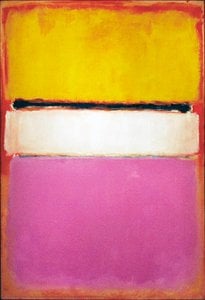
The painting “Untitled 58,” created by Mark Rothko in approximately 1960, stands as a cornerstone of Abstract Expressionism—a movement that irrevocably altered the landscape of twentieth-century art. Measuring an unknown dimension (likely around 72 x 60 inches), this monumental canvas embodies Rothko’s signature approach to color and form, prioritizing emotional resonance over representational accuracy. It's more than just pigment on linen; it’s a deliberate distillation of feeling into pure visual language.
- Subject Matter: While seemingly devoid of recognizable figures or landscapes, “Untitled 58” isn’t truly empty. At its core lies a woman—a stylized representation that transcends literal depiction—positioned centrally within the composition. Her outstretched arms suggest yearning, reaching for an elusive connection, mirroring perhaps Rothko's own preoccupation with themes of vulnerability and spiritual longing.
- Style: Rothko’s style is undeniably reductive, adhering to the tenets of Color Field Painting. He eschewed traditional brushstrokes altogether, opting instead for a layering technique known as “silkscreen,” where thin sheets of canvas are coated with diluted pigment and then stacked upon each other. This method produces hazy, luminous rectangles that bleed into one another, creating an immersive experience for the viewer.
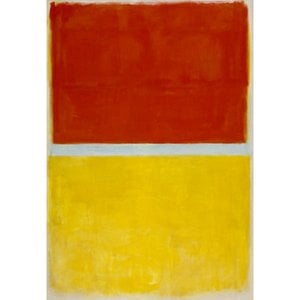
- Technique: The artist’s meticulous application of color is paramount. Rothko employed a masterful understanding of hue, saturation, and value—the intensity and lightness of colors—to generate profound visual impact. He utilized shades of crimson, orange, and yellow, blending them seamlessly to achieve an ethereal glow that seems to emanate from within the canvas itself. This technique prioritizes texture and luminosity over detail, inviting contemplation rather than observation.
Historical Context: The Rise of Existential Anxiety
“Untitled 58” emerged during a period marked by significant social upheaval—the Cold War gripped Europe, anxieties surrounding nuclear annihilation permeated the collective consciousness, and existentialist philosophers like Sartre and Camus wrestled with questions of freedom, responsibility, and mortality. Rothko’s work reflects this intellectual climate, articulating profound emotional states without resorting to explicit narrative or symbolism. He sought to bypass rational thought altogether, aiming instead to tap into primal feelings—fear, grief, joy—that transcend language.
Symbolism Beyond Representation
Despite its apparent simplicity, “Untitled 58” is laden with symbolic significance. The woman’s outstretched arms represent a universal desire for connection and solace, mirroring the human condition's inherent yearning for transcendence. Furthermore, the overlapping rectangles symbolize the fragmentation of experience—the way in which life itself breaks down into discrete moments of sensation and emotion. Rothko deliberately avoided conveying specific ideas or narratives; instead, he wished to provoke contemplation about fundamental questions concerning existence.
Emotional Impact: A Journey Into Inner Space
Ultimately, “Untitled 58” succeeds in transporting the viewer to a realm beyond visual perception—a space of profound emotional resonance. The luminous colors and hazy textures evoke feelings of serenity, melancholy, and contemplation. Viewing this artwork is akin to embarking on an inner pilgrimage, inviting introspection and prompting reflection on one's own relationship with beauty and emotion. It’s a testament to Rothko’s ability to transform pigment into feeling—a feat that continues to captivate audiences worldwide.



 معاينة الحجم الحقيقي
 اشترِ لوحة مرسومة يدويًا
 مشاركة
 مشاركة
 التفاصيل

 تحميل الملف
 قطع مشابهة
 الأشعة السينية
 عرض شرائح
 عرض المزيد






































 خيار الزجاج متاح فقط للمقاسات التي تقل عن 110 سم