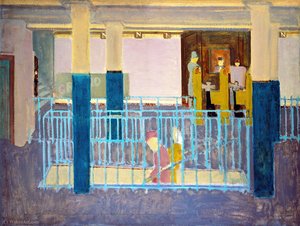
A Meditation on Color and Absence: Exploring Mark Rothko’s Untitled 1
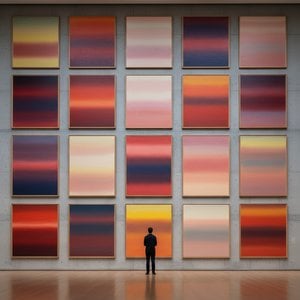
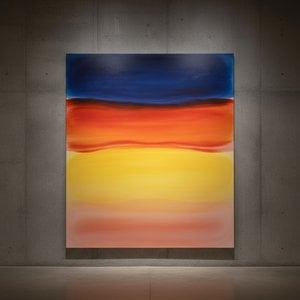
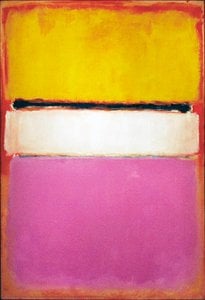
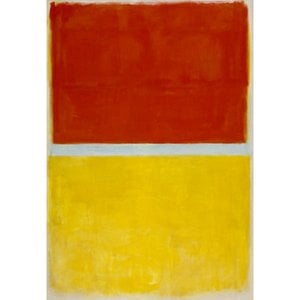
Mark Rothko's Untitled 1 stands as a testament to the power of minimalist abstraction, encapsulating decades of artistic exploration into a deceptively simple composition. Painted sometime between 1953 and 1954 during his prolific period in Houston, Texas—a city he embraced as a haven for creative expression—this monumental Color Field painting embodies Rothko’s signature approach to conveying profound emotional states through pigment alone. The canvas is dominated by a deep crimson hue, layered with subtle variations of orange and pink, creating an immersive experience for the viewer. Yet, it's precisely this apparent richness that underscores its core message: a deliberate reduction to elemental color, designed to bypass intellectual analysis and tap directly into visceral feeling.
- Style & Technique: Rothko’s method—often described as “allergic to brushstrokes”—involved pouring pigment onto canvas in thin washes, achieving velvety surfaces that seemed to emanate luminosity. This technique prioritized texture and tonal gradation over representational detail, prioritizing atmosphere and emotional resonance above visual accuracy. The absence of discernible contours contributes significantly to the painting's contemplative quality.
- Historical Context: Rothko emerged from the burgeoning Abstract Expressionist movement in New York City during the postwar era, alongside artists like Willem de Kooning and Jackson Pollock. He rejected the gestural dynamism favored by his contemporaries, opting instead for a more meditative stance—a reaction to the anxieties of the time and a desire to grapple with existential questions about human existence.
- Symbolism & Interpretation: Rothko himself famously resisted definitive interpretations of his work, stating that he wished to evoke “feeling” rather than “thought.” However, scholars have noted recurring motifs – rectangles, color bands—that resonate with concepts of spirituality and transcendence. The crimson hue is often associated with passion, sacrifice, and primal energy, while the orange and pink shades convey warmth, vulnerability, and a yearning for connection.
- Emotional Impact: Viewing Untitled 1 is intended to be an experience of quiet contemplation. Rothko aimed to create paintings that would induce a state of “psychological immersion,” prompting viewers to confront their own emotions and perceptions. The painting’s expansive scale contributes to this effect, enveloping the viewer in its chromatic expanse.
Connections to Other Artists: Chagall's Dreamlike Vision
Rothko’s artistic sensibility shares affinities with Marc Chagall (1887-1985), another Russian-French artist who similarly explored fantastical imagery and Jewish folklore themes. Like Rothko, Chagall prioritized emotional expression over literal depiction, utilizing vibrant colors and stylized forms to convey narratives rooted in myth and memory. The influence of Chagall’s expressive style can be discerned in Rothko's willingness to embrace ambiguity and symbolism—a shared commitment to capturing the intangible essence of human experience.
Exploring Rothko’s Legacy: Beyond Houston
Rothko Chapel, established by John and Dominique de Menil in Houston, Texas, houses fourteen paintings by Mark Rothko – including Untitled 142 – offering visitors a unique opportunity to engage with his monumental Color Field works. The chapel's architectural design—an octagon inscribed in a Greek cross—was deliberately conceived to enhance the contemplative atmosphere created by the paintings, fostering an environment conducive to spiritual reflection. This enduring institution serves as a powerful reminder of Rothko’s ambition to transform art into a vehicle for profound emotional and psychological exploration.
Recommended Reproductions: Bringing Rothko's Vision Home
WahooArt offers exceptional reproductions of Mark Rothko’s Untitled 1, meticulously crafted to capture the nuances of color and texture present in the original masterpiece. Explore our curated collection of high-quality prints and canvases—allowing you to experience Rothko’s evocative aesthetic within your own living space.



 معاينة الحجم الحقيقي
 اشترِ لوحة مرسومة يدويًا
 مشاركة
 مشاركة
 التفاصيل

 تحميل الملف
 قطع مشابهة
 الأشعة السينية
 عرض شرائح
 عرض المزيد






































 خيار الزجاج متاح فقط للمقاسات التي تقل عن 110 سم