معاينة الحجم الواقعي معاينة بالواقع المعزز التبديل إلى المطبوعات التحويل إلى الصورة الرقمية إرسال
عرض التفاصيل دليل الأعمال الفنية للطلاب أضف إلى المفضلة تحميل قطع مشابهة الأشعة السينية عرض شرائح متتابع الإحصائيات

Study for Antigone

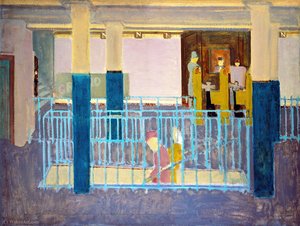
This artwork, titled ‘Study for Antigone,’ showcases Mark Rothko’s signature Color Field style—characterized by large blocks of color designed to evoke emotional resonance. Inspired by the Greek myth of Antigone, the composition features nude figures and geometric shapes arranged in a contemplative manner. Explore its symbolism and artistic significance.

استكشف عالم مارك روثكو، الرائد في التعبيرية المجردة ولوحات الحقول اللونية. أعماله المؤثرة مثل "الرقصة" و"الكنيسة الروثكو" تعكس عمقًا عاطفيًا وتأثيرًا تاريخيًا هائلاً.

إن العمل الفني المعروض في هذه الصفحة محمي بموجب قوانين حقوق الطبع والنشر، مما يعني أنه لا يحق لنا قانوناً إنشاء أو بيع نسخ مطابقة له. وتُطبق هذه الحماية بموجب الاتفاقيات الدولية مثل الـ اتفاقية برن ووفقاً للقوانين الوطنية، بما في ذلك تلك المنصوص عليها في قانون حقوق الطبع والنشر في الولايات المتحدة - الباب 17.

وكبديل قانوني ومحترم، نقدم أعمالاً فنية مخصصة ومرسومة يدوياً مستوحاة من العمل الأصلي. حيث يقوم فنانونا المهرة والمحترفون بدراسة أسلوب العمل الأصلي، وأجوائه، وجوهره الفني بعناية فائقة لابتكار قطعة جديدة وفريدة تثير الشعور ذاته - مع بقائها عملاً أصيلاً بحد ذاته.

تتوافق هذه الطريقة تماماً مع لوائح حقوق النشر لأنها لا تتضمن نسخ أو تكرار العمل الفني المحمي، بل هي إعادة تفسير إبداعية؛ أي أنها لوحة جديدة مستوحاة من الأصل ولكنها ليست مطابقة له.

نسخة زيتية مصنوعة يدوياً

لوحة زيتية مرسومة يدوياً على الكانفاس بالمقاس والإطار الذي تفضله، تُنفذ حسب الطلب على أيدي فنانينا. ( التبديل إلى المطبوعات التحويل إلى الصورة الرقمية)

Corner sample of the P118B picture frame: moulded polystyrene, 5 cm wide and 3 cm thick
P118B 10
Corner sample of the P118H picture frame: moulded polystyrene, 5 cm wide and 3 cm thick
P118H 10
Corner sample of the P118W picture frame: moulded polystyrene, 5 cm wide and 3 cm thick
P118W 10
Corner sample of the P438Z picture frame: moulded polystyrene, 5.5 cm wide and 3.5 cm thick
P438Z 10
Corner sample of the P508JH picture frame: moulded polystyrene, 7 cm wide and 3.5 cm thick
P508JH 12
Corner sample of the P508YH picture frame: moulded polystyrene, 7 cm wide and 3.5 cm thick
P508YH 12
Corner sample of the P805H picture frame: moulded polystyrene, 5 cm wide and 3.5 cm thick
P805H 10
Corner sample of the P805Z picture frame: moulded polystyrene, 5 cm wide and 3.5 cm thick
P805Z 10
Corner sample of the P919BZ picture frame: moulded polystyrene, 7 cm wide and 3.5 cm thick
P919BZ 10
Corner sample of the P919G picture frame: moulded polystyrene, 7 cm wide and 3.5 cm thick
P919G 10
Corner sample of the P919XJ picture frame: moulded polystyrene, 7 cm wide and 3.5 cm thick
P919XJ 10
Corner sample of the P959ZH picture frame: moulded polystyrene, 5 cm wide and 3 cm thick
P959ZH 10
Corner sample of the P968JZ picture frame: moulded polystyrene, 6 cm wide and 4 cm thick
P968JZ 12
Corner sample of the W106C picture frame: solid wood, 5 cm wide and 3 cm thick
W106C 8
Corner sample of the W218G picture frame: solid wood, 5 cm wide and 3 cm thick
W218G 10
Corner sample of the W218JH picture frame: solid wood, 5 cm wide and 3 cm thick
W218JH 8
Corner sample of the W218Y picture frame: solid wood, 5 cm wide and 3 cm thick
W218Y 10
Corner sample of the W307PJ picture frame: solid wood, 6 cm wide and 3 cm thick
W307PJ 10
Corner sample of the W316G picture frame: solid wood, 6 cm wide and 3 cm thick
W316G 10
Corner sample of the W316PJ picture frame: solid wood, 6 cm wide and 3 cm thick
W316PJ 8
Corner sample of the W316Y picture frame: solid wood, 6 cm wide and 3 cm thick
W316Y 10
Corner sample of the W398PJ picture frame: solid wood, 5 cm wide and 3 cm thick
W398PJ 8
Corner sample of the W4111J picture frame: solid wood, 6.5 cm wide and 3.5 cm thick
W4111J 10
Corner sample of the W500HY picture frame: solid wood, 7 cm wide and 5 cm thick
W500HY 15
Corner sample of the W500JH picture frame: solid wood, 7 cm wide and 5 cm thick
W500JH 15
Corner sample of the W692G picture frame: solid wood, 8 cm wide and 4 cm thick
W692G 12
Corner sample of the W849H picture frame: solid wood, 5 cm wide and 3 cm thick
W849H 8
Corner sample of the W940BG picture frame: solid wood, 7.5 cm wide and 4.5 cm thick
W940BG 15
Corner sample of the W953PJ picture frame: solid wood, 6 cm wide and 3.5 cm thick
W953PJ 8

مقاس قياسي
مخصص
CM
INCH

اختر من بين أحجامنا المُعدّة مسبقاً والتي تتوافق مع النسب الأصلية للعمل الفني.

العرض
الارتفاع

يمكنك إدخال أبعاد خاصة لتناسب إطاراً أو مساحة معينة. وفي حال عدم تطابق الحجم المختار مع نسب الصورة الأصلية، سنقوم إما بقص العمل الفني أو توسيع اللوحة عبر إضافة عناصر مرسومة يدوياً. وسيتم إرسال نموذج رقمي إليك للموافقة عليه قبل بدء عملية الإنتاج.
يرجى ملاحظة أن المعاينة على الشاشة لا تعكس عملية القص أو التوسيع الفعلية؛ إذ إن النموذج الرقمي هو الوحيد الذي يوضح التكوين النهائي بدقة.
وعلى الرغم من توفر أحجام مخصصة، إلا أننا نوصي باختيار أبعاد من القائمة المحددة مسبقاً للحفاظ على النسب الأصلية للعمل الفني.

أمثلة على التعديلات الممكنة: استبدال الوجه بصورة العميل؛ إضافة حيوان أليف (مثل استبدال قطة بكلب)؛ تضمين رسالة مخفية في الخلفية؛ تغيير المناظر الطبيعية أو العناصر في الخلفية.
بعد إتمام الطلب، سيرسل فريق WahooArt.com بريداً إلكترونياً للعميل لطلب التعليمات وتزويده بمعاينة تجريبية (mockup).

توصيل عالمي إلى خلال 3 إلى 4 أسابيع بدلاً من المدة المعتادة البالغة 5 أسابيع. (10 أكتوبر). جودة لا تهاون فيها.

شحن سريع ومجاني لجميع أنحاء العالم
قماش كتان فاخر
تأمين شامل على الشحن
ضمان استرداد الرسوم الجمركية
ضمان دقة مطابقة الألوان
سياسة الإرجاع خلال 100 يوم (في حالات العيوب فقط)
ضمان استرداد نقدي بنسبة 100%
عرض خصم الكميات

إجمالي السعر

E£ 13964

Study for Antigone

وسيط إعادة الإنتاج

مقاس النسخة المطبوعة

-

إجمالي السعر

E£ 13964

حقائق سريعة

  • Medium: Oil on Canvas
  • Title: Study for Antigone
  • Notable elements or techniques: Abstraction, Color Blocks
  • Influences: Abstract Expressionism
  • Subject or theme: Existential Themes
  • Artist: Mark Rothko

اختبار المعلومات الفنية

لكل سؤال إجابة صحيحة واحدة فقط.

سؤال 1:
What artistic movement is Mark Rothko primarily associated with?
سؤال 2:
The image description mentions several objects within the painting. Which of these objects is positioned closest to the right edge?
سؤال 3:
According to the text, Rothko's early life was characterized by...
سؤال 4:
The description suggests that Rothko's interest in the painting may have been influenced by...
سؤال 5:
What is a key characteristic of Mark Rothko’s technique as depicted in this study?

A Meditation on Grief and Resilience

In the quiet, evocative depths of Mark Rothko’s “Study for Antigone,” created in 1950, viewers are invited into a sanctuary of profound contemplation. This work serves as more than a mere visual arrangement; it is an emotional landscape where the boundaries between color and spirit begin to blur. As one stands before this piece, there is an immediate sense of being drawn into a space of solemn stillness, a meditative realm that echoes the weight of human experience. The painting acts as a bridge between the ancient tragedies of Sophocles and the modern existential anxieties of the twentieth century, offering a hauntingly beautiful testament to the endurance of the human soul amidst sorrow.

The composition is a masterful exercise in balance and tension, featuring three nude torsos positioned upon a rectangular frieze. These figures are arranged in a deliberate horizontal configuration, their forms subtly illuminated against a muted backdrop of gray and ivory. While the figures possess a certain geometric simplicity, they are far from static; there is a rhythmic quality to their placement that suggests a shared, silent narrative. The presence of scattered objects—a bowl, cups, and a vase—adds a layer of domestic intimacy to the scene, yet these elements feel suspended in a dreamlike state, stripped of their mundane utility to become symbols within a larger, more cosmic drama.

The Language of Color and Form

Technically, this work captures Rothko during a pivotal era of his evolution, where his signature Color Field technique began to assert its dominance. Rather than relying on the sharp, descriptive lines of traditional realism, Rothko utilizes expansive planes of pigment that seem to breathe and dissolve into one another. Deep shades of crimson red, smoky purple, and cobalt blue overlap in a way that creates an illusion of depth and luminosity. The artist employs thin black outlines to delineate the contours of the figures, providing just enough structure to anchor the viewer's eye before it wanders back into the nebulous, atmospheric washes of color.

This approach is deeply rooted in the tenets of Abstract Expressionism, a movement that sought to bypass rational thought to tap directly into primal, subconscious emotions. By eschewing detailed representation, Rothko prioritizes the emotive power of texture and hue. The way the colors bleed and merge mirrors the fluidity of memory and grief, making the painting feel less like a fixed image and more like a living, breathing entity. For the collector or interior designer, this creates a piece that possesses an incredible "presence"—a work that does not merely decorate a wall but fundamentally alters the energetic atmosphere of a room.

Symbolism and the Eternal Struggle

The historical and symbolic weight of “Study for Antigone” is anchored in its namesake. The Greek heroine, Antigone, represents the ultimate act of moral defiance, choosing to honor her brother’s burial rites despite the lethal decrees of a tyrant. In Rothko’s hands, this theme of resistance and conviction is translated into a visual language of resilience. The figures, though vulnerable in their nudity, embody a quiet strength that mirrors the protagonist's struggle against unjust authority. This connection to classical tragedy imbues the work with a sense of timelessness, making it relevant to anyone who has navigated the complexities of loss or the necessity of standing by one's principles.

For those seeking to incorporate fine art into a curated space, this reproduction offers an unparalleled opportunity to possess a fragment of art history. It is a piece that invites long periods of looking, rewarding the observer with new layers of meaning and emotional resonance each time it is encountered. Whether placed in a quiet study, a minimalist gallery, or a sophisticated living area, “Study for Antigone” serves as a powerful focal point—a window into the sublime, where the shadows of the past meet the enduring light of hope.

الأسئلة والأجوبة

هل ألوان "Study for Antigone" للفنان مارك روثكو زاهية أم خافتة؟

تُظهر ألوان "Study for Antigone" للفنان مارك روثكو تشبعاً بمستوى Balanced Soft مع حدة بلغت Balanced.

ما هو الشعور والعاطفة اللذان يعبر عنهما "Study for Antigone" للفنان مارك روثكو؟

في "Study for Antigone"، ترافقه أجواء Dramatic مع إحساس Melancholic.

كيف يمكنني الحصول على نسخة مطبوعة من "Study for Antigone" للفنان مارك روثكو؟

يمكن طلب نسخة مطبوعة من "Study for Antigone" للفنان مارك روثكو مباشرة عبر هذه الصفحة: مطبوعة فنية فاخرة على قماش قطني أو ورق كانفاس أرشيفي.

هل يمكنني طلب نسخة زيتية مرسومة يدوياً من "Study for Antigone"؟

تتوفر النسخ المرسومة يدوياً من "Study for Antigone" للفنان مارك روثكو للبيع عبر هذا الموقع: نسخة زيتية مرسومة يدوياً على قماش الكتان، ويمكن طلبها من خلال هذه الصفحة.

من هو الفنان الذي أبدع "Study for Antigone"؟

الفنان الذي أبدع عمل "Study for Antigone" هو مارك روثكو. العمل مُدرج تحت اسم مارك روثكو.

ما هي الألوان المهيمنة في "Study for Antigone" للفنان مارك روثكو؟

تستخدم لوحة "Study for Antigone" للفنان مارك روثكو مجموعة ألوان Neutrals، حيث يبرز اللون Putty (#dccbaf) كلون مهيمن.

هل تُعد "Study for Antigone" للفنان مارك روثكو من بين الأعمال الفنية المرغوبة ضمن حركة Color Field Painting؟

ضمن حركة Color Field Painting، تتمتع لوحة "Study for Antigone" بمستوى شعبية Iconic.


نبذة عن الفنان

مارك روثكو: رحلة في عالم الألوان والعواطف

في قلب المشهد الفني الأمريكي في القرن العشرين، يبرز اسم مارك روثكو كأيقونة للعبّريّة التجريدية ومؤسسٍ حقيقي لحركة "حقول الألوان". وُلد ماركوس ياكوفليفيتش روتكويتس في مدينة داوغافبيلس اللاتفية عام 1903، وشكلت نشأته المتأثرة بالاضطهاد والنزوح والهجرة إلى بورتلاند بولاية أوريغون، حجر الزاوية في رؤيته الفنية. لم يكن روثكو مجرد رسام؛ بل كان فيلسوفًا بالألوان، يسعى إلى تجسيد العواطف الإنسانية العميقة من خلال لوحاته التي تتجاوز حدود التمثيل المرئي. نشأته المبكرة، التي شهدت فقدان الأب وتحديات الاندماج الثقافي، غذّت شغفه باستكشاف موضوعات الوجودية والموت والصدمة، وهي الموضوعات التي تتردد أصداؤها في جميع أعماله.

من التصوير إلى التجريد: تطور فني فريد

بدأ روثكو مسيرته الفنية بتجارب تصويرية واقعية، حيث رسم المناظر الحضرية والبورتريهات بدقة متناهية. لكن سرعان ما أدرك أن هذه الأساليب لا تستطيع أن تنقل العمق النفسي الذي كان يسعى إليه. خلال فترة الحرب العالمية الثانية، تأثر روثكو بالتيارات الفنية السريالية والأساطير، وبدأ في الابتعاد عن الصور المألوفة نحو أشكال رمزية تعبر عن المشاعر الإنسانية الكونية. هذه المرحلة الانتقالية شهدت ظهور لوحات متعددة الأوجه – قماش مليء بأشكال حيوية غامضة تبدو وكأنها تطفو بين التجريد والتمثيل. بحلول أواخر الأربعينيات، وصل روثكو إلى أسلوبه المميز: قِطَعٌ كبيرة الحجم تتكون من مستويات لونية متجاورة، تخلق إحساسًا بالعمق والحركة. لقد تجرّد من كل بقايا الصور المعترف بها، مركزًا بدلاً من ذلك على التأثير العاطفي النقي للألوان والأشكال.

"حقول الألوان": سعي نحو الروحانية

تتميز أعمال روثكو الناضجة بما أصبح يعرف بـ "حقول الألوان" – مساحات شاسعة من الألوان المضيئة التي تغمر المشاهد في تجربة غامرة. هذه اللوحات لا تتعلق بما تصور، بل بكيفية تأثيرها عليك عاطفيًا. آمن روثكو بأن الفن يجب أن يتفاعل مع المشاهد بشكل مباشر، متجاوزًا التحليل العقلي ويتحدث إلى العواطف مباشرةً. لقد قام بدقة بتطبيق طبقات رقيقة من الطلاء، مما يخلق اختلافات دقيقة في النغمة والملمس تبدو وكأنها تنبعث من داخل القماش نفسه. غالبًا ما تكون حواف أشكال المستطيل الخاصة به ضبابية، مما يسمح لها بالاندماج والتفاعل مع بعضها البعض، مما يخلق إحساسًا بالعمق والحركة. تجنب روثكو العناوين بخلاف الأرقام – "رقم 1"، "رقم 6" – لتشجيع المشاهدين على مواجهة اللوحات دون مفاهيم مسبقة والسماح لردود أفعالهم العاطفية بتوجيه تجربتهم. لقد سعى إلى خلق مساحة للتأمل، ملاذ حيث يمكن للمشاهدين التواصل مع شيء أكبر من أنفسهم. كان طموحه لا يقل عن إثارة تجارب روحية عميقة من خلال لغة الألوان.

إنجازات بارزة وتراث دائم

من بين أبرز إنجازات روثكو "رقم 10 (1950)"، وهي عمل محوري يجسد أسلوبه المتطور، ولوحات سيغرام (1958). التي سُلّمت لتزيين مطعم فور سيزونز في مدينة نيويورك، رفضها روثكو في النهاية، وشعر بأنها ستُقوَّض ببيئتها المقصودة. بدلاً من ذلك، تبرع بها إلى معرض تيت في لندن، حيث لا تزال تلهم الرهبة والتأمل. ربما كان مشروعَه الأكثر طموحًا هو كنيسة روثكو (1971) في هيوستن بولاية تكساس – ملاذ غير طائفي يضم أربعة عشر من لوحاته. صُممت الكنيسة لتكون مساحة للتفكير الهادئ، وتعتبر مكانًا مقدسًا لدى الكثيرين، حيث تجسد إيمان روثكو بقوة الفن الروحية. لقد كان تأثير روثكو على الأجيال القادمة من الفنانين هائلاً. لقد مهد الطريق لفن الحد الأدنى ويستمر في إلهام الرسامين المعاصرين الذين يستكشفون الاحتمالات العاطفية للتجريد.

قوة الصدى العاطفي الدائمة

  • تُحتفى بلوحات روثكو بقدرتها على نقل المشاعر الإنسانية العالمية – المأساة والنشوة واليأس والأمل.
  • لقد أحدث استكشافه للألوان كوسيلة للتعبير عن المشاعر ثورة في الرسم التجريدي.
  • تقف كنيسة روثكو كشهادة على إيمانه بقوة الفن الروحية.
  • يظل شخصية محورية في العبرية التجريدية وتأثيرًا كبيرًا على الفنانين المعاصرين.
يتجاوز إرث روثكو عالم تاريخ الفن. تدعونا أعماله إلى مواجهة فنائنا، والتعامل مع تعقيدات الوجود الإنساني، والسعي للمعنى في عالم غالبًا ما يفتقر إليه. إنه يذكرنا بأن الفن لا يتعلق بالجماليات فحسب؛ بل يتعلق بالاتصال – الاتصال بأنفسنا، وبالآخرين، وبشيء أكبر من أنفسنا. تكمن القوة الدائمة لأعماله في قدرتها على إثارة هذه المشاعر العميقة، وتقديم الراحة والإلهام ونظرة خاطفة إلى أعماق الروح الإنسانية.
مارك روثكو

مارك روثكو

1903 - 1970 , لاتفيا

لمحة سريعة

  • الأعمال البارزة:
    • رقم 10 (1950)
    • لوحات سيغرام
    • كنيسة روثكو
    • المركز الأبيض
  • الاسم الكامل: مارك روثكو
  • الجنسية: أمريكي
  • الحركات المتأثرة:
    • التعبيرية التجريدية
    • فن الحقول اللونية
    • الحد الأدنى
  • الحركة الفنية: التعبيرية التجريدية
  • تاريخ الميلاد: 25 سبتمبر 1903
  • مكان الولادة: داوغافبيلس، لاتفيا
استكشف الأعمال الفنية المصنفة حسب الموضوعات والأنماط والخصائص.