مارك روثكو: رحلة في عالم الألوان والعواطف
في قلب المشهد الفني الأمريكي في القرن العشرين، يبرز اسم مارك روثكو كأيقونة للعبّريّة التجريدية ومؤسسٍ حقيقي لحركة "حقول الألوان". وُلد ماركوس ياكوفليفيتش روتكويتس في مدينة داوغافبيلس اللاتفية عام 1903، وشكلت نشأته المتأثرة بالاضطهاد والنزوح والهجرة إلى بورتلاند بولاية أوريغون، حجر الزاوية في رؤيته الفنية. لم يكن روثكو مجرد رسام؛ بل كان فيلسوفًا بالألوان، يسعى إلى تجسيد العواطف الإنسانية العميقة من خلال لوحاته التي تتجاوز حدود التمثيل المرئي. نشأته المبكرة، التي شهدت فقدان الأب وتحديات الاندماج الثقافي، غذّت شغفه باستكشاف موضوعات الوجودية والموت والصدمة، وهي الموضوعات التي تتردد أصداؤها في جميع أعماله.
من التصوير إلى التجريد: تطور فني فريد
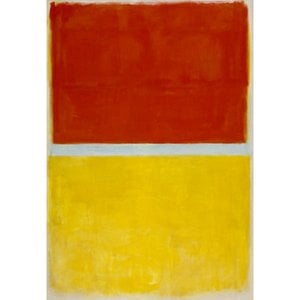
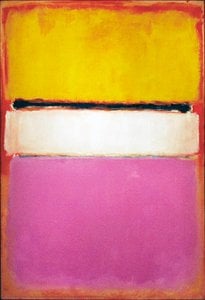
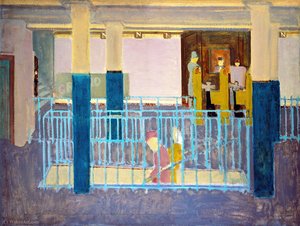
بدأ روثكو مسيرته الفنية بتجارب تصويرية واقعية، حيث رسم المناظر الحضرية والبورتريهات بدقة متناهية. لكن سرعان ما أدرك أن هذه الأساليب لا تستطيع أن تنقل العمق النفسي الذي كان يسعى إليه. خلال فترة الحرب العالمية الثانية، تأثر روثكو بالتيارات الفنية السريالية والأساطير، وبدأ في الابتعاد عن الصور المألوفة نحو أشكال رمزية تعبر عن المشاعر الإنسانية الكونية. هذه المرحلة الانتقالية شهدت ظهور لوحات متعددة الأوجه – قماش مليء بأشكال حيوية غامضة تبدو وكأنها تطفو بين التجريد والتمثيل. بحلول أواخر الأربعينيات، وصل روثكو إلى أسلوبه المميز: قِطَعٌ كبيرة الحجم تتكون من مستويات لونية متجاورة، تخلق إحساسًا بالعمق والحركة. لقد تجرّد من كل بقايا الصور المعترف بها، مركزًا بدلاً من ذلك على التأثير العاطفي النقي للألوان والأشكال.
"حقول الألوان": سعي نحو الروحانية
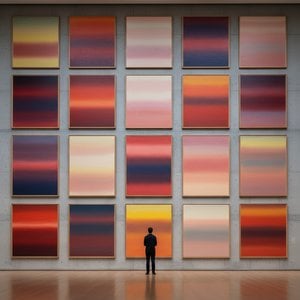
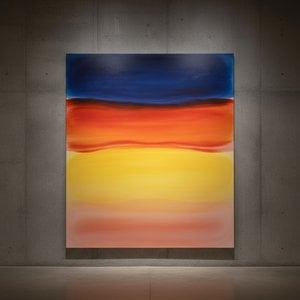
تتميز أعمال روثكو الناضجة بما أصبح يعرف بـ "حقول الألوان" – مساحات شاسعة من الألوان المضيئة التي تغمر المشاهد في تجربة غامرة. هذه اللوحات لا تتعلق بما تصور، بل بكيفية تأثيرها عليك عاطفيًا. آمن روثكو بأن الفن يجب أن يتفاعل مع المشاهد بشكل مباشر، متجاوزًا التحليل العقلي ويتحدث إلى العواطف مباشرةً. لقد قام بدقة بتطبيق طبقات رقيقة من الطلاء، مما يخلق اختلافات دقيقة في النغمة والملمس تبدو وكأنها تنبعث من داخل القماش نفسه. غالبًا ما تكون حواف أشكال المستطيل الخاصة به ضبابية، مما يسمح لها بالاندماج والتفاعل مع بعضها البعض، مما يخلق إحساسًا بالعمق والحركة. تجنب روثكو العناوين بخلاف الأرقام – "رقم 1"، "رقم 6" – لتشجيع المشاهدين على مواجهة اللوحات دون مفاهيم مسبقة والسماح لردود أفعالهم العاطفية بتوجيه تجربتهم. لقد سعى إلى خلق مساحة للتأمل، ملاذ حيث يمكن للمشاهدين التواصل مع شيء أكبر من أنفسهم.
كان طموحه لا يقل عن إثارة تجارب روحية عميقة من خلال لغة الألوان.
إنجازات بارزة وتراث دائم
من بين أبرز إنجازات روثكو "رقم 10 (1950)"، وهي عمل محوري يجسد أسلوبه المتطور، ولوحات سيغرام (1958). التي سُلّمت لتزيين مطعم فور سيزونز في مدينة نيويورك، رفضها روثكو في النهاية، وشعر بأنها ستُقوَّض ببيئتها المقصودة. بدلاً من ذلك، تبرع بها إلى معرض تيت في لندن، حيث لا تزال تلهم الرهبة والتأمل. ربما كان مشروعَه الأكثر طموحًا هو كنيسة روثكو (1971) في هيوستن بولاية تكساس – ملاذ غير طائفي يضم أربعة عشر من لوحاته. صُممت الكنيسة لتكون مساحة للتفكير الهادئ، وتعتبر مكانًا مقدسًا لدى الكثيرين، حيث تجسد إيمان روثكو بقوة الفن الروحية.
لقد كان تأثير روثكو على الأجيال القادمة من الفنانين هائلاً. لقد مهد الطريق لفن الحد الأدنى ويستمر في إلهام الرسامين المعاصرين الذين يستكشفون الاحتمالات العاطفية للتجريد.
قوة الصدى العاطفي الدائمة
- تُحتفى بلوحات روثكو بقدرتها على نقل المشاعر الإنسانية العالمية – المأساة والنشوة واليأس والأمل.
- لقد أحدث استكشافه للألوان كوسيلة للتعبير عن المشاعر ثورة في الرسم التجريدي.
- تقف كنيسة روثكو كشهادة على إيمانه بقوة الفن الروحية.
- يظل شخصية محورية في العبرية التجريدية وتأثيرًا كبيرًا على الفنانين المعاصرين.
يتجاوز إرث روثكو عالم تاريخ الفن. تدعونا أعماله إلى مواجهة فنائنا، والتعامل مع تعقيدات الوجود الإنساني، والسعي للمعنى في عالم غالبًا ما يفتقر إليه. إنه يذكرنا بأن الفن لا يتعلق بالجماليات فحسب؛ بل يتعلق بالاتصال – الاتصال بأنفسنا، وبالآخرين، وبشيء أكبر من أنفسنا. تكمن القوة الدائمة لأعماله في قدرتها على إثارة هذه المشاعر العميقة، وتقديم الراحة والإلهام ونظرة خاطفة إلى أعماق الروح الإنسانية.



 معاينة الحجم الحقيقي
 اشترِ لوحة مرسومة يدويًا
 مشاركة
 مشاركة
 التفاصيل

 تحميل الملف
 قطع مشابهة
 الأشعة السينية
 عرض شرائح


 عرض المزيد






































 خيار الزجاج متاح فقط للمقاسات التي تقل عن 110 سم