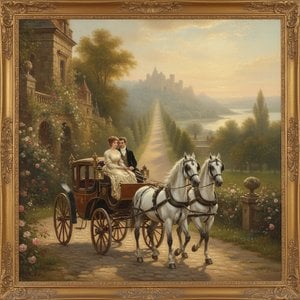
Marcelo Grassmann de Oliveira’s ‘Cavalos’: A Symphony of Movement and Symbol
Marcelo Grassmann de Oliveira’s “Cavalos” (1944) stands as a testament to Brazilian Expressionism, capturing not merely an image of a horse in motion but a visceral embodiment of energy, struggle, and primal instinct. Executed in monochrome ink or charcoal on paper—a deliberate choice that amplifies the artwork's textural qualities—the drawing immediately draws the viewer into its turbulent landscape.
Influences and Artistic Vision
Oliveira’s artistic trajectory was profoundly shaped by figures like Alfred Kubin, an Austrian Expressionist known for his unsettling dreamscapes, and prominent Brazilian engravers Oswaldo Goeldi and Livio Abramo. These influences instilled in him a fascination with symbolic imagery and recurring motifs—knights battling demons, maidens facing peril, death itself—often depicted as a formidable adversary. This preoccupation with archetypal themes speaks to Oliveira’s desire to explore the depths of human experience through visual storytelling.
Technique and Style: Embracing Raw Emotion
The artist's technique is characterized by loose, expressive lines that convey an immediacy rarely found in academic art. Smudging and layering contribute significantly to the artwork’s surface texture, mirroring the dynamism of the subject matter—a horse galloping with ferocious determination. Oliveira eschews meticulous detail, prioritizing emotional impact over photographic realism; instead, he employs gestural marks to capture the essence of movement and convey a palpable sense of urgency.
Symbolism Within the Image
"Cavalos" transcends its depiction of a horse and rider, functioning as a powerful symbol of power, speed, and perhaps even defiance. The swirling lines suggest a confrontation with an unseen force—a battle for survival—reflecting anxieties prevalent in the post-war era. Oliveira’s masterful use of monochrome enhances the artwork's dramatic effect, stripping away superfluous color to focus solely on form and texture, thereby intensifying its emotional resonance.
Concluding Impression: A Legacy of Expression
Oliveira’s “Cavalos” remains a captivating example of Brazilian Expressionism. Its raw energy, evocative symbolism, and masterful technique continue to inspire admiration among art connoisseurs and collectors alike. The drawing's enduring appeal lies in its ability to communicate profound emotions—fear, courage, and the relentless pursuit of vitality—a timeless achievement that cements Oliveira’s place as a pivotal figure in Brazilian artistic history.
الأسئلة والأجوبة
ما هو الحجم المقترح لـ "Cavalos" في Living Room؟
التنسيق الموصى به لـ "Cavalos" للفنان Marcelo Grassmann De Oliveira: طباعة بمقاس Large في Living Room.
هل توجد ورقة حقائق حول "Cavalos" للفنان Marcelo Grassmann De Oliveira مخصصة للطلاب؟
يُعد دليل "Cavalos" هو صفحة دليل تعليمي الخاصة بالعمل الفني - وهي ورقة حقائق قابلة للطباعة تعرض العمل الفني مع شرحه، وسطر الائتمان، وجدول البيانات التعريفية (الفنان، التواريخ، الوسيط، الحجم الأصلي، والمجموعة).
ما هي الوسائط المستخدمة في تنفيذ "Cavalos" للفنان Marcelo Grassmann De Oliveira؟
استخدم Marcelo Grassmann De Oliveira تقنية Acrylic On Canvas في عمل "Cavalos"، وتحدد هذه التقنية الطبيعة المادية للعمل الأصلي.



 معاينة الحجم الواقعي
 اطلب نسخة مرسومة يدويًا
 إرسال
إرسال مشاركة
 عرض التفاصيل
 دليل الأعمال الفنية للطلاب

 تحميل
تحميل
 قطع مشابهة
 الأشعة السينية
 عرض شرائح متتابع
 الإحصائيات


 اقرأ المزيد






































 خيار الزجاج متاح فقط للمقاسات التي تقل عن 110 سم