معاينة الحجم الواقعي معاينة بالواقع المعزز اطلب نسخة مرسومة يدويًا التحويل إلى الصورة الرقمية إرسال
عرض التفاصيل دليل الأعمال الفنية للطلاب أضف إلى المفضلة تحميل قطع مشابهة الأشعة السينية عرض شرائح متتابع الإحصائيات

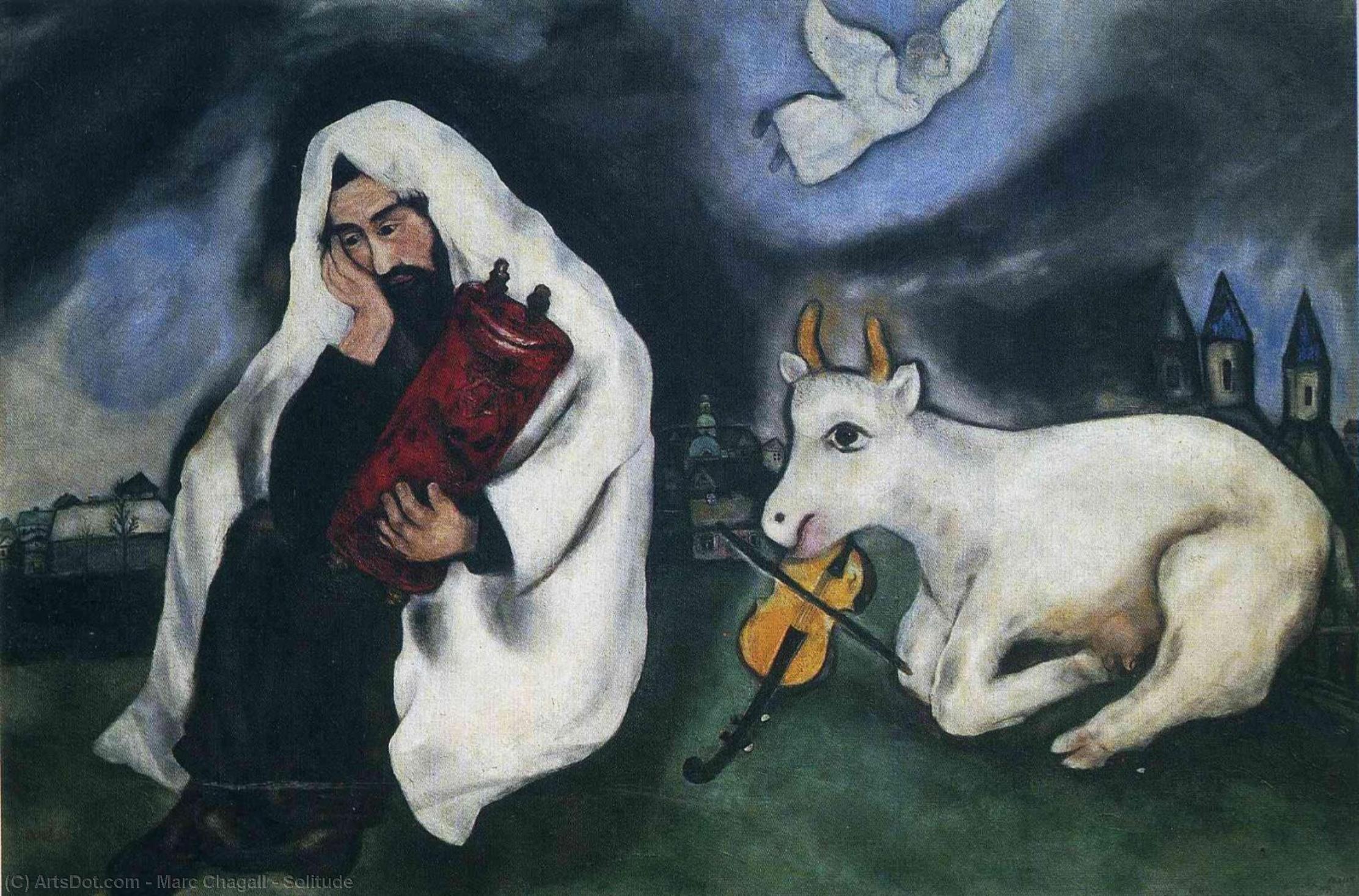
Solitude

Marc Chagall's 'Solitude' (1933) captures Jewish resilience amidst rising anti-Semitism. This poignant painting, rich with symbolism and featuring a contemplative figure, embodies cultural identity and enduring spirit.

مارك شاغال، فنان روسي-فرنسي رائد، اشتهر بلوحاته الحالمة المستوحاة من الفلكلور اليهودي وأعمال الزجاج الملون الرائعة. اكتشف عالم الألوان والذكريات الذي صاغه هذا الفنان العظيم!

إن العمل الفني المعروض في هذه الصفحة محمي بموجب قوانين حقوق الطبع والنشر، مما يعني أنه لا يحق لنا قانوناً إنشاء أو بيع نسخ مطابقة له. وتُطبق هذه الحماية بموجب الاتفاقيات الدولية مثل الـ اتفاقية برن ووفقاً للقوانين الوطنية، بما في ذلك تلك المنصوص عليها في قانون حقوق الطبع والنشر في الولايات المتحدة - الباب 17.

تتوافق هذه الطريقة تماماً مع لوائح حقوق النشر لأنها لا تتضمن نسخ أو تكرار العمل الفني المحمي، بل هي إعادة تفسير إبداعية؛ أي أنها لوحة جديدة مستوحاة من الأصل ولكنها ليست مطابقة له.

طباعة جيلي / مطبوعات فنية

طباعة جيكلي أو كانفاس بجودة المتاحف، مع سرعة في التنفيذ وخيارات متنوعة للتشطيب. ( اطلب نسخة مرسومة يدويًا التحويل إلى الصورة الرقمية)

Corner sample of the P118B picture frame: moulded polystyrene, 5 cm wide and 3 cm thick
P118B E£10
Corner sample of the P118H picture frame: moulded polystyrene, 5 cm wide and 3 cm thick
P118H E£10
Corner sample of the P118W picture frame: moulded polystyrene, 5 cm wide and 3 cm thick
P118W E£10
Corner sample of the P438Z picture frame: moulded polystyrene, 5.5 cm wide and 3.5 cm thick
P438Z E£10
Corner sample of the P508JH picture frame: moulded polystyrene, 7 cm wide and 3.5 cm thick
P508JH E£12
Corner sample of the P508YH picture frame: moulded polystyrene, 7 cm wide and 3.5 cm thick
P508YH E£12
Corner sample of the P805H picture frame: moulded polystyrene, 5 cm wide and 3.5 cm thick
P805H E£10
Corner sample of the P805Z picture frame: moulded polystyrene, 5 cm wide and 3.5 cm thick
P805Z E£10
Corner sample of the P919BZ picture frame: moulded polystyrene, 7 cm wide and 3.5 cm thick
P919BZ E£10
Corner sample of the P919G picture frame: moulded polystyrene, 7 cm wide and 3.5 cm thick
P919G E£10
Corner sample of the P919XJ picture frame: moulded polystyrene, 7 cm wide and 3.5 cm thick
P919XJ E£10
Corner sample of the P959ZH picture frame: moulded polystyrene, 5 cm wide and 3 cm thick
P959ZH E£10
Corner sample of the P968JZ picture frame: moulded polystyrene, 6 cm wide and 4 cm thick
P968JZ E£12
Corner sample of the W106C picture frame: solid wood, 5 cm wide and 3 cm thick
W106C E£8
Corner sample of the W218G picture frame: solid wood, 5 cm wide and 3 cm thick
W218G E£10
Corner sample of the W218JH picture frame: solid wood, 5 cm wide and 3 cm thick
W218JH E£8
Corner sample of the W218Y picture frame: solid wood, 5 cm wide and 3 cm thick
W218Y E£10
Corner sample of the W307PJ picture frame: solid wood, 6 cm wide and 3 cm thick
W307PJ E£10
Corner sample of the W316G picture frame: solid wood, 6 cm wide and 3 cm thick
W316G E£10
Corner sample of the W316PJ picture frame: solid wood, 6 cm wide and 3 cm thick
W316PJ E£8
Corner sample of the W316Y picture frame: solid wood, 6 cm wide and 3 cm thick
W316Y E£10
Corner sample of the W398PJ picture frame: solid wood, 5 cm wide and 3 cm thick
W398PJ E£8
Corner sample of the W4111J picture frame: solid wood, 6.5 cm wide and 3.5 cm thick
W4111J E£10
Corner sample of the W500HY picture frame: solid wood, 7 cm wide and 5 cm thick
W500HY E£15
Corner sample of the W500JH picture frame: solid wood, 7 cm wide and 5 cm thick
W500JH E£15
Corner sample of the W692G picture frame: solid wood, 8 cm wide and 4 cm thick
W692G E£12
Corner sample of the W849H picture frame: solid wood, 5 cm wide and 3 cm thick
W849H E£8
Corner sample of the W940BG picture frame: solid wood, 7.5 cm wide and 4.5 cm thick
W940BG E£15
Corner sample of the W953PJ picture frame: solid wood, 6 cm wide and 3.5 cm thick
W953PJ E£8

مقاس قياسي
مخصص
CM
INCH

اختر من بين أحجامنا المُعدّة مسبقاً والتي تتوافق مع النسب الأصلية للعمل الفني.

العرض
الارتفاع

يمكنك إدخال أبعاد خاصة لتناسب إطاراً أو مساحة معينة. وفي حال عدم تطابق الحجم المختار مع نسب الصورة الأصلية، سنقوم إما بقص العمل الفني أو تمديد الصورة باستخدام حافة معكوسة أو لون مصمت. وسيتم إرسال نموذج تجريبي رقمي لاعتمادك قبل بدء عملية الإنتاج.
يرجى ملاحظة أن المعاينة على الشاشة لا تعكس عملية القص أو التمديد الفعلية؛ حيث سيوضح النموذج التجريبي فقط التكوين النهائي بدقة.
وعلى الرغم من توفر أحجام مخصصة، إلا أننا نوصي باختيار أبعاد من القائمة المحددة مسبقاً للحفاظ على النسب الأصلية.

توصيل عالمي إلى خلال أسبوعين بدلاً من المدة القياسية البالغة 4/5 أسابيع. (10 أكتوبر)

شحن سريع ومجاني لجميع أنحاء العالم
قماش كتان فاخر
تأمين شامل على الشحن
ضمان استرداد الرسوم الجمركية
ضمان دقة مطابقة الألوان
سياسة الإرجاع خلال 100 يوم (في حالات العيوب فقط)
ضمان استرداد نقدي بنسبة 100%
عرض خصم الكميات

إجمالي السعر

E£ 3491

Solitude

طباعة جيلي / مطبوعات فنية

مقاس النسخة المطبوعة

-

إجمالي السعر

E£ 3491

حقائق سريعة

  • Dimensions: 102 x 169 cm
  • Title: Solitude
  • Year: 1933
  • Notable elements: God's messenger, goat
  • Movement: Fauvism
  • Medium: Oil & Pastel
  • Influences: Anti-Semitism

اختبار المعلومات الفنية

لكل سؤال إجابة صحيحة واحدة فقط.

سؤال 1:
What is the primary cultural context reflected in Marc Chagall’s ‘Solitude’?
سؤال 2:
Which artistic movement is most closely associated with Chagall’s use of vivid colors in ‘Solitude’?
سؤال 3:
What symbolic element is prominently featured in the painting to represent Judaism?
سؤال 4:
Based on the image description, what is the man in ‘Solitude’ doing when depicted?
سؤال 5:
What does the goat in ‘Solitude’ likely symbolize, according to the artwork's interpretation?

The Poignant Echo of Isolation

Marc Chagall’s “Solitude,” painted in 1933, isn't merely a depiction of a man seated on the ground; it’s a profound meditation on Jewish identity, cultural displacement, and the weight of history. Housed within the Tel-Aviv Museum of Art, this work transcends its physical dimensions to become a powerful symbol of resilience in the face of rising anti-Semitism across Europe. The painting immediately draws the eye with its muted palette – a deliberate departure from Chagall’s often vibrant Fauvist style – creating an atmosphere of contemplative stillness that mirrors the man's internal state. The composition is strikingly simple, yet deeply resonant: a solitary figure enveloped in a long robe or cloak, his head bowed in what appears to be profound introspection. This posture speaks volumes about the burden he carries, a weight amplified by the surrounding elements.

  • The Central Figure: The man’s slumped form and downward gaze immediately evoke feelings of sadness and isolation. His attire – a traditional Jewish prayer shawl – subtly anchors him within his cultural heritage while simultaneously highlighting his separation from the world around him.
  • The Goat: A calm, resting goat positioned before the figure is a particularly intriguing element. It’s not simply an animal; it represents a connection to the land and tradition, a grounding force amidst the man's internal turmoil. The juxtaposition of the human figure and the animal creates a visual dialogue about the relationship between humanity and nature, faith and instinct.
  • The Violin: A violin resting nearby hints at a past filled with music and joy – a memory now overshadowed by present sorrow. It’s a poignant reminder of what has been lost, adding another layer to the painting's emotional complexity.

Symbolism Woven into the Canvas

“Solitude” is rich in symbolic detail, each element carefully chosen to convey a deeper meaning within the context of 1930s Europe. The Torah scroll, prominently displayed, represents Jewish law and tradition – a source of both strength and potential conflict during this turbulent period. God’s messenger, depicted subtly in the background, suggests divine guidance amidst uncertainty. The historical rabbi or elder figure embodies the continuity of Jewish faith and wisdom, offering a sense of stability against the encroaching darkness. The setting itself—a blurred landscape with buildings receding into the distance—represents a world increasingly distant from the man’s personal experience.

Notably, Chagall satirically uses animalistic cultural objects to highlight the absurdity of those who believed Jews could not produce remarkable art – a pointed commentary on prejudice and misunderstanding.

A Reflection of Troubled Times

Painted in 1933, “Solitude” is inextricably linked to the rising tide of anti-Semitism sweeping across Europe. The political climate was fraught with danger, as the Nazi party’s ideology gained traction, fueled by hatred and a desire for exclusion. Chagall, himself a Jewish artist living in a time of increasing persecution, channeled his anxieties and observations into this powerful work. His experiences witnessing discrimination firsthand – including the assault on a friend in Warsaw – undoubtedly informed the painting's somber tone. The backdrop of dark clouds suggests an impending storm, mirroring the turbulent times facing the Jewish community.

Legacy and Enduring Resonance

Despite facing criticism from conservative authorities who sought to control artistic expression, Chagall’s work continued to resonate with audiences. “Solitude” stands as a testament to the enduring spirit of Jewish culture—a poignant reminder of its resilience in the face of adversity. It's not simply a portrait of loneliness; it’s an exploration of identity, faith, and the human condition. Reproductions of this masterpiece offer a unique opportunity to engage with this emotionally charged artwork and contemplate its timeless themes. The painting invites viewers to consider their own experiences of isolation, reflection, and the importance of preserving cultural heritage in times of uncertainty.

الأسئلة والأجوبة

كم كان عمر مارك شاغال عندما أُبدع العمل "Solitude"؟

كان عمر مارك شاغال يبلغ 46 عاماً عند إبداع العمل "Solitude" في عام 1933. تم حساب العمر بناءً على سنة ميلاد الفنان، 1887.

ما هو الحجم المناسب لطباعة "Solitude" لغرفتي؟

بالنسبة لـ Living Room، فإن حجم الطباعة الموصى به لعمل "Solitude" للفنان مارك شاغال هو Large.

ما هي الاستخدامات والمساحات الموصى بها لـ "Solitude" للفنان مارك شاغال؟

يُعد استخدام (Statement) وتخصيص مساحة (Living Room) من أبرز التوصيات المقترحة لـ "Solitude" للفنان مارك شاغال.

أين يمكنني العثور على أعمال فنية مشابهة لـ "Solitude" للفنان مارك شاغال؟

تستعرض صفحة أعمال مشابهة لعمل "Solitude" للفنان مارك شاغال أعمالاً فنية ذات صلة.

متى تم إنجاز "Solitude"؟

يعود تاريخ إبداع "Solitude" للفنان مارك شاغال إلى عام 1933.

إلى أي فنان يُنسب العمل "Solitude"؟

تم إبداع "Solitude" بواسطة مارك شاغال. وتصف المعلومات الواردة في هذه الصفحة العمل الأصلي لـ مارك شاغال.

ما هو حجم الطباعة الموصى به لـ "Solitude" للفنان مارك شاغال؟

حجم الطباعة الموصى به لعمل "Solitude" للفنان مارك شاغال هو Large.


نبذة عن الفنان

مارك شاغال: شاعر الألوان وحالم الواقع

في قلب مدينة فيتيبسك الصغيرة، الواقعة على أراضي بيلاروسيا الحديثة، وُلد مارك شاغال عام 1887، ليكون أكثر من مجرد رسام؛ بل كان شاعراً بالألوان، ونساجاً للأحلام، ومؤرخاً للذكريات. امتدت حياته، التي تجاوزت القرن الواحد، لتشمل تيارات العصر العشرين المضطربة، لكن فنه ظل راسخاً في رؤية شخصية عميقة، متأثرة بأساطير تربيته اليهودية الهاسيدية وإيمانه الراسخ بقوة الخيال. لم تكن فيتيبسك مجرد مكان ولادة؛ بل أصبحت النواة العاطفية لكونه الفني، وهي نمط متكرر يسكنه شخصيات طائرة وحيوانات غريبة الأطوار وألوان المشاهد المحفوظة في الذاكرة. لقد شكلت المدينة مزيجاً فريداً من الثقافات - الكنائس الأرثوذكسية الروسية إلى جانب الأسواق اليهودية الصاخبة - حساسية جمالية تحدت التصنيف السهل طوال مسيرته المهنية الطويلة. على الرغم من سعيه للحصول على تدريب رسمي أولاً مع رسام لافتات محلي ثم في سانت بطرسبرغ تحت إشراف ليون باكست، وفي وقت لاحق في باريس في أكاديمية غراند شوميير، لم يتبنَّ شاغال أبدًا أي حركة فنية واحدة. لقد امتص عناصر من التكعيبية والرمزية والفوفية، لكنه دائمًا ما صفاها من خلال عدسته الشخصية المكثفة، مما خلق أسلوبًا كان فريدًا ولا يمكن السيطرة عليه.

تشكيل لغة بصرية فريدة

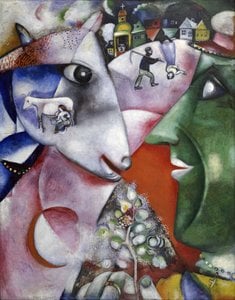
أظهرت أعمال شاغال المبكرة بالفعل اللغة المميزة التي سيطورها. لوحات مثل *أنا والقرية* (1911) ليست مجرد تصوير للمكان؛ إنها استكشافات للهوية والذاكرة والعلاقة بين الفرد والمجتمع. القرية لا يتم تصويرها بشكل واقعي ولكن كجمع متقطع من الذكريات، مشحونة بمعنى رمزي. أصبحت هذه القدرة على تحويل التجربة الشخصية إلى موضوعات عالمية سمة مميزة لفنه. كانت لوحاته جريئة ومعبرة، وغالبًا ما تستخدم ألوانًا نابضة بالحياة وغير طبيعية لنقل المشاعر بدلاً من التمثيل الحرفي. تتراقص الشخصيات وتطفو عبر اللوحة، متحدية الجاذبية والمنطق، مما يخلق جوًا حالمًا يدعو المشاهدين إلى عالمه الداخلي. لم يكن هذا الأسلوب صدفة؛ لقد نشأ من الرغبة في تجاوز مجرد تقليد الواقع والتقاط جوهر الشعور ووزن الذاكرة وقوة الفولكلور.

حياة بين العوالم: باريس، نيويورك، وما وراء ذلك

في نهاية المطاف، غادر شاغال روسيا واستقر في فرنسا عام 1923. وقد شكل هذا بداية فترة من الاعتراف الدولي والإبداع المنتج. تُظهر الأعمال مثل *فوق فيتيبسك* (1920-1922) استمرارًا لالتزامه بذكريات طفولته، بينما تكشف اللوحات المستوحاة من القصص الكتابية - مثل *حلم يعقوب* - عن اهتمام متزايد بالمواضيع الدينية. كان اندلاع الحرب العالمية الثانية بمثابة صدمة قوية أجبرته على الفرار من فرنسا المحتلة إلى الولايات المتحدة، حيث قضى سبع سنوات في مدينة نيويورك. تميزت هذه الفترة بتقلبات عاطفية عميقة وتجارب فنية. وجد العزاء في فنه، وخلق أعمالاً قوية تعكس القلق وعدم اليقين في ذلك الوقت. *الصليب الأبيض* (1938)، وهو تصوير مؤلم للمعاناة والاضطهاد، يقف كشهادة على هذه الحقبة. بعد الحرب، عاد شاغال إلى فرنسا، حيث واصل الرسم والإبداع حتى وفاته عام 1985 عن عمر يناهز 97 عامًا.

إرث وتأثير دائم

في سنواته الأخيرة، تلقى مارك شاغال العديد من المفوضيات المرموقة، بما في ذلك سقف دار الأوبرا الباريسية (1964)، وهو انفجار مذهل من الألوان والأشكال احتفل بتحف فنية موسيقية، ونوافذ زجاجية ملونة رائعة لسينما جامعة هاداسا العبرية في القدس. سمحت له هذه المشاريع واسعة النطاق بترجمة رؤيته الفنية إلى مساحات معمارية، مما يخلق بيئات غامرة لا تزال تلهم الرهبة والدهشة. التأثير الذي أحدثه شاغال على الأجيال القادمة من الفنانين لا يمكن إنكاره. لقد صدى جودته الشعرية وعمقه العاطفي وقوته الخيالية مع السرياليين والحركات الأخرى التي تبنت الخيال والرمزية. لقد جسر الفجوة بين الحداثة الأوروبية والهوية الثقافية اليهودية، وأصبح معروفًا باسم "الفنان اليهودي الكلاسيكي في القرن العشرين". إن قدرته على تجميع التجربة الشخصية والفولكلور والموضوعات العالمية لا تزال تتردد أصداء لدى الجماهير حول العالم. يذكرنا فنه بقوة الفن لتجاوز الحدود والتواصل مع إنسانيتنا المشتركة وإضاءة جمال ولغز الحياة.

انطباع دائم

يمتد إرث مارك شاغال إلى ما هو أبعد من لوحاته ونوافذ زجاجية ملونة؛ إنه يكمن في قوة رؤيته الدائمة - وهي رؤية تحتفي بالحب والذاكرة والاحتمالات اللامحدودة للخيال البشري. لقد ترك وراءه مجموعة أعمال شخصية للغاية وعالمية في آن واحد، تدعو المشاهدين إلى أن يفقدوا أنفسهم في عالم مرسوم بالأحلام ومضاء بالأمل. تقف متحف مارك شاغال في نيس كشهادة على تأثيره الدائم، حيث يضم مجموعة واسعة من أعماله ويقدم للزوار لمحة عن قلب وروح هذا الفنان الاستثنائي. يستمر فنه في الإلهام والتحدي وتحريكنا، مما يضمن أن روحه النابضة بالحياة والخيال ستعيش للأجيال القادمة.
مارك شاغال

مارك شاغال

1887 - 1985 , بيلاروسيا

لمحة سريعة

  • أعمال فنية بارزة:
    • أنا والقرية
    • فوق فيتيبسك
    • الصليب الأبيض
  • الاسم الكامل: مارك شاغال
  • الجنسية: روسي/فرنسي
  • الحركة الفنية: التعبيرية، التكعيبية
  • الفنانون المؤثرون:
    • ليون باكست
    • روبرت ديلاوني
  • الفنانون المتأثرون:
    • بابلو بيكاسو
    • خوان ميرو
  • تاريخ الميلاد: 7 يوليو 1887
  • مكان الميلاد: ليوفنا، بيلاروسيا
استكشف الأعمال الفنية المصنفة حسب الموضوعات والأنماط والخصائص.