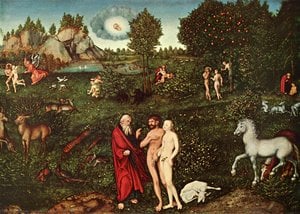
Oil On PanelNorthern Renaissance
 1503Renaissance
 138.0 x 99.0 cm
 Alte Pinakothek
لوحة زيتية مرسومة يدوياً على الكانفاس بالمقاس والإطار الذي تفضله، تُنفذ حسب الطلب على أيدي فنانينا. ( اشترِ نسخة مطبوعة اشترِ الصورة)
اختر من بين أحجامنا المُعدّة مسبقًا والتي تتطابق مع النسب الأصلية للعمل الفني.

يمكنك إدخال أبعادك الخاصة لتناسب إطارًا معينًا أو مساحة محددة. وإذا لم يتطابق الحجم الذي اخترته مع نسب الصورة الأصلية، فسنقوم إما بقص العمل الفني أو توسيع اللوحة بإضافة عناصر مرسومة يدويًا. سيتم إرسال نموذج رقمي إليك للموافقة عليه قبل بدء الإنتاج.
يرجى ملاحظة أن المعاينة على الشاشة لا تعكس عملية القص أو التوسيع الفعلية؛ حيث إن النموذج الرقمي وحده هو الذي سيوضح التكوين النهائي بدقة.
وعلى الرغم من توفر أحجام مخصصة، إلا أننا نوصي باختيار أبعاد من القائمة المحددة مسبقًا للحفاظ على النسب الأصلية للعمل الفني.
توصيل عالمي إلى خلال 3 إلى 4 أسابيع بدلاً من المدة المعتادة البالغة 5 أسابيع. (7 سبتمبر). جودة لا تهاون فيها.


Crucifixion
مقاس النسخة المطبوعة
This striking painting, "Crucifixion," created by Lucas Cranach the Elder in 1503, depicts a pivotal moment in Christian theology – the crucifixion of Jesus Christ. The composition is vertically oriented, immediately drawing the viewer's eye to the central figure suspended on the cross. Cranach masterfully balances the scene with carefully positioned figures: Mary Magdalene and another individual (often interpreted as John the Apostle) are shown below, their expressions conveying profound grief and sorrow. A group of onlookers in the background adds depth and a sense of scale to the event. The arrangement isn't merely representational; it’s designed to evoke empathy and contemplation.
“Crucifixion” exemplifies the hallmarks of the Northern Renaissance style, particularly that of Cranach himself. The painting showcases a meticulous attention to detail and a commitment to realism. Observe the rendering of Christ’s musculature, achieved through skillful use of lines and shading. The folds in the drapery are rendered with remarkable accuracy, demonstrating Cranach's technical prowess. He employed oil paints on panel, utilizing glazing techniques – layering thin, translucent layers of paint – to build up color depth and luminosity. This technique contributes significantly to the painting’s overall richness and vibrancy.
Beyond its literal depiction, "Crucifixion" is rich in symbolic meaning. The figures holding hands below the cross symbolize comfort and solidarity amidst suffering. A bird perched near the top left corner has been interpreted as representing the soul or the Holy Spirit, adding a layer of spiritual significance to the scene. The overall atmosphere isn't one of despair but rather of serene devotion, reflecting the Renaissance emphasis on human emotion within a religious context. The painting’s emotional impact lies in its ability to convey both the tragedy of Christ’s death and the hope offered through his sacrifice.
Lucas Cranach the Elder was a prominent figure during the Reformation era, serving as court painter to the Electors of Saxony. His work often reflected the religious and political currents of the time. This "Crucifixion" is particularly significant given its creation shortly after Cranach’s Vienna period and his association with Martin Luther. The painting's emphasis on faith and individual responsibility aligns with emerging Protestant theology, distinguishing it from more traditional Catholic depictions of the Crucifixion. Cranach’s legacy as a skilled portraitist and religious painter continues to inspire art lovers and collectors today.


1472 - 1553 , ألمانيا

Explore the profound power of religious symbolism in art history. From Renaissance masterpieces to sacred iconography, uncover the hidden meanings behind divine details in a deep dive into classical art excellence.

 معاينة الحجم الحقيقي
 مشاركة
 مشاركة
 التفاصيل

 تحميل الملف
 قطع مشابهة
 الأشعة السينية
 عرض شرائح
 عرض المزيد




































 خيار الزجاج متاح فقط للمقاسات التي تقل عن 110 سم