معاينة الحجم الحقيقي معاينة بالواقع المعزز التحويل إلى المطبوعات الانتقال إلى الصورة الرقمية مشاركة
التفاصيل أضف إلى المفضلة تحميل الملف قطع مشابهة الأشعة السينية عرض شرائح الإحصائيات

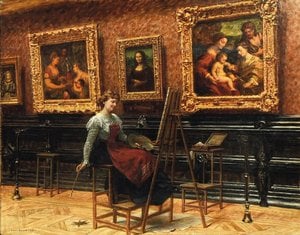
A la gloire de Rubens

Explore 'A la gloire de Rubens' by Louis Beroud – a vibrant Baroque masterpiece inspired by Rubens! Capturing opulent revelry & sensual energy, this oil painting offers a glimpse into 19th-century Parisian art.

اكتشف لويس بيرود (1852-1930)، الرسام الفرنسي الشهير بتصويره الدقيق للتصاميم الداخلية والمعالم الباريسية، بما في ذلك متحف اللوفر وأوبرا غارنييه.

نسخة زيتية مصنوعة يدوياً

لوحة زيتية مرسومة يدوياً على الكانفاس بالمقاس والإطار الذي تفضله، تُنفذ حسب الطلب على أيدي فنانينا. ( التحويل إلى المطبوعات الانتقال إلى الصورة الرقمية)

P118B $10
P118H $10
P118W $10
P438Z $10
P508JH $12
P508YH $12
P805H $10
P805Z $10
P919BZ $10
P919G $10
P919XJ $10
P959ZH $10
P968JZ $12
W106C $8
W218G $10
W218JH $8
W218Y $10
W307PJ $10
W316G $10
W316PJ $8
W316Y $10
W398PJ $8
W4111J $10
W500HY $15
W500JH $15
W692G $12
W849H $8
W940BG $15
W953PJ $8

قياسي
حسب الطلب
CM
INCH

اختر من بين أحجامنا المُعدّة مسبقًا والتي تتطابق مع النسب الأصلية للعمل الفني.

العرض
الارتفاع

يمكنك إدخال أبعادك الخاصة لتناسب إطارًا معينًا أو مساحة محددة. وإذا لم يتطابق الحجم الذي اخترته مع نسب الصورة الأصلية، فسنقوم إما بقص العمل الفني أو توسيع اللوحة بإضافة عناصر مرسومة يدويًا. سيتم إرسال نموذج رقمي إليك للموافقة عليه قبل بدء الإنتاج.
يرجى ملاحظة أن المعاينة على الشاشة لا تعكس عملية القص أو التوسيع الفعلية؛ حيث إن النموذج الرقمي وحده هو الذي سيوضح التكوين النهائي بدقة.
وعلى الرغم من توفر أحجام مخصصة، إلا أننا نوصي باختيار أبعاد من القائمة المحددة مسبقًا للحفاظ على النسب الأصلية للعمل الفني.

أمثلة على التعديلات الممكنة: استبدال الوجه بصورة العميل؛ إضافة حيوان أليف (مثل استبدال قطة بكلب)؛ تضمين رسالة مخفية في الخلفية؛ تغيير المناظر الطبيعية أو العناصر في الخلفية.
بعد إتمام الطلب، سيرسل فريق WahooArt.com بريداً إلكترونياً للعميل لطلب التعليمات وتزويده بمعاينة تجريبية (mockup).

توصيل عالمي إلى خلال 3 إلى 4 أسابيع بدلاً من المدة المعتادة البالغة 5 أسابيع. (17 سبتمبر). جودة لا تهاون فيها.

why_choose_icon
شحن سريع ومجاني لجميع أنحاء العالم
why_choose_icon
قماش كتان عالي الجودة
why_choose_icon
تأمين شحن شامل
why_choose_icon
ضمان استرداد الرسوم الجمركية
why_choose_icon
ضمان مطابقة الألوان الحقيقية
why_choose_icon
سياسة الإرجاع خلال 100 يوم (في حالات العيوب فقط)
why_choose_icon
ضمان استرداد نقدي بنسبة 100%
why_choose_icon
خصم عند طلب عدة قطع

إجمالي السعر

$ 547

reproduction

A la gloire de Rubens

خامة إعادة الإنتاج

مقاس النسخة المطبوعة

-

السعر الإجمالي النهائي

$ 547

معلومات سريعة

  • Notable elements or techniques: Impasto
  • Influences: Rubens
  • Location: Musée du Louvre
  • Artist: Louis Beroud
  • Artistic style: Baroque
  • Year: 1905
  • Subject or theme: Mythologie

اختبار الفنون

يوجد إجابة صحيحة واحدة فقط لكل سؤال.

سؤال 1:
What is the primary subject matter depicted in Louis Beroud’s ‘À la gloire de Rubens’?
سؤال 2:
The artwork employs what artistic technique characterized by visible brushstrokes and an emphasis on capturing texture?
سؤال 3:
What is the dominant style of ‘À la gloire de Rubens’, reflecting its artistic heritage?
سؤال 4:
The painting’s composition emphasizes what key element beyond strict spatial accuracy?
سؤال 5:
Where is Louis Beroud's masterpiece ‘À la gloire de Rubens’ currently housed?

À la gloire de Rubens – A Celebration of Baroque Grandeur

Louis Béroud’s “À la gloire de Rubens” is more than just a depiction of a painting; it's an embodiment of the artistic spirit of its time—the fervent embrace of academic tradition alongside a keen observation of modern life that characterized Parisian art in the early 20th century. Painted in 1905, this monumental canvas captures the atmosphere of the Louvre Museum during a period marked by significant cultural renewal and intellectual curiosity. The artwork’s subject matter is deceptively simple: a young woman diligently sketching “The Coronation” by Peter Paul Rubens from his celebrated Marie de Medici cycle—a masterpiece that embodies the Baroque ideal of dramatic grandeur and emotional intensity.
  • Composition & Style: Béroud adheres to the stylistic conventions of the École de Beaux-Arts, prioritizing clarity of form and meticulous detail. The scene unfolds within a richly ornamented interior space reminiscent of Rubens’s own studio, emphasizing architectural perspective and creating a sense of spatial depth. However, unlike Rubens's canvases which aim for idealized beauty, Béroud presents a realistic portrayal of artistic practice—a testament to the artist’s commitment to capturing the essence of his subject matter.
  • Technique: Employing oil paint on canvas with visible brushstrokes, Béroud utilizes impasto – thick application of pigment – particularly noticeable in areas depicting drapery and skin tones. This technique lends texture and luminosity to the painting, mirroring the dramatic chiaroscuro employed by Rubens himself. The artist’s careful attention to light and shadow contributes significantly to the overall theatrical quality of the composition.
  • Historical Context: Béroud's work emerged during a period of artistic debate following Impressionism’s dominance. Artists like Béroud sought to reaffirm classical principles while acknowledging the influence of contemporary life—a dynamic tension that reflects broader cultural shifts occurring in France at the time. The painting’s inclusion within the Louvre’s collection underscores its significance as an exemplar of academic art and a celebration of Rubens's legacy.
  • Symbolism: The central figure, sketching “The Coronation,” symbolizes the dedication to artistic craft and the pursuit of excellence—values deeply ingrained in the Beaux-Arts tradition. The inclusion of Rubens’s monumental painting serves as a visual reminder of the Baroque aesthetic’s ambition to inspire awe and convey profound emotion.
  • Emotional Impact: “À la gloire de Rubens” evokes a feeling of reverence for artistic heritage combined with an appreciation for meticulous observation. It invites viewers to contemplate the role of art in capturing beauty, conveying emotion, and preserving cultural memory—themes that resonate powerfully across generations.

Detailed Description & Artistic Considerations

The painting’s palette is dominated by muted earth tones – ochre, umber, Sienna – reflecting the subdued lighting of the Louvre’s galleries. Béroud skillfully renders textures with remarkable precision, capturing the folds of fabric and the subtle nuances of skin tone. The artist's meticulous brushwork contributes to a palpable sense of movement—suggesting the dynamism inherent in artistic creation itself. Careful attention is paid to architectural elements – moldings, arches – reinforcing the spatial illusion and enhancing the grandeur of the setting. Béroud’s masterful technique elevates the depiction beyond mere representation, transforming it into an evocative meditation on art history and artistic practice.

Provenance & Acquisition

“À la gloire de Rubens” entered the Louvre's collection in 1993 as a bequest from Micheline Héblot (1930-1990), honoring her parents’ memory. The painting was originally exhibited at the Salon of Société des Artistes français in 1905 and subsequently reproduced as prints during that era. Its inclusion in Musée Carnavalet's permanent collection provides invaluable insight into Parisian artistic culture at the turn of the century.

Further Research & Artistic Influences

Louis Béroud’s artistic trajectory was profoundly shaped by his training at the École Supérieure des Beaux-Arts, where he absorbed the precepts of classical art and technique. His unwavering devotion to realism combined with an artist's sensitivity distinguishes him as a pivotal figure in late 19th-century French painting—a legacy that continues to inspire artists today. References: Musée Carnavalet; Louvre éditions / Somogy, 2008, p. 149, coul. n°178; Bresc-Bautier, Geneviève ; Foucart, Jacques, « Le tableau du mois n° 9 : trois nouveaux tableaux pour l’histoire du Louvre : Louis Béroud, Henri Coroënne », Tableau du mois, 9, du 7 septembre au 3 octobre 1994, 1994, 1-4, p. 1-4, n&b, p. 1, B; Musée du Louvre, Département des Peintures; Bresc-Bautier, Geneviève ; Foucart, Jacques, « Le tableau du mois n° 9 : trois nouveaux tableaux pour l’histoire du Louvre : Louis Béroud, Henri Coroënne », Tableau du mois, 9, du 7 septembre au 3 octobre 1994, 1994, 1-4, p. 1-4, n&b, p. 1, B; Musée Carnavalet; Louvre éditions / Somogy, 2008, p. 149, coul. n°178; Musée du Louvre, Département des Peintures; Bresc-Bautier, Geneviève ; Foucart, Jacques, « Le tableau du mois n° 9 : trois nouveaux tableaux pour l’histoire du Louvre : Louis Béroud, Henri Coroënne », Tableau du mois, 9, du 7 septembre au 3 octobre 1994, 1994, 1-4, p. 1-4, n&b, p. 1, B; Musée Carnavalet; Louvre éditions / Somogy, 2008, p. 149, coul. n°178

السيرة الذاتية للفنان

لويس بيرود: رؤية باريسية تجسد روح عصره

يبرز لويس بيرود (1852-1930) كشخصية مرموقة في تاريخ الفن الفرنسي في أواخر القرن التاسع عشر وأوائل القرن العشرين، حيث نال شهرة واسعة بفضل تصويره الدقيق للتصاميم الداخلية والمعالم الباريسية الخالدة، ولا سيما متحف اللوفر وأوبرا غارنييه. وُلد بيرود في مدينة ليون الفرنسية، وانطلقت رحلته الفنية في وقت كانت فيه تأثيرات المدرسة الانطباعية بدأت في التراجع، مما جعله يرسخ مكانته بقوة ضمن التقليد الأكاديمي، مع تبنيه في الوقت ذاته فهماً عميقاً ومتطوراً للحياة الحديثة. وتعد لوحاته بمثابة نوافذ تطل على عالم غارق في الفخامة والتفاصيل والملاحظة النفسية، مما يقدم شهادة حية على التزامه الراسخ بالواقعية الممزوجة بحساسية الفنان المرهفة.
  • النشأة والتدريب الفني: تلقى بيرود تعليمه الفني الأول في مدرسة الفنون الجميلة العليا (École Supérieure des Beaux-Arts) في باريس، حيث صقل مهاراته تحت إشراف أساتذة مؤثرين دافعوا عن المبادئ الكلاسيكية للتكوين والتقنية. وقد غرست هذه الفترة التكوينية في نفسه احتراماً عميقاً للتقاليد، بينما غذت في الوقت ذاته روح الاستقصاء التي دفعته لاستكشاف موضوعات وأساليب فنية متنوعة.
  • الأعمال البارزة والأسلوب الفني: تشمل أعمال بيرود مجموعة مذهلة من الموضوعات، بدءاً من الرسوم المعمارية الضخمة — مثل تصويراته الشهيرة للوفر وأوبرا غارنييه — وصولاً إلى الصور الشخصية الحميمة التي تلتقط جوهر الحياة الباريسية. وتتميز لوحاته بالاهتمام الشديد بالتفاصيل، والاستخدام المتقن للضوء والظل، والقدرة على نقل الأجواء بدقة استثنائية؛ حيث مزج ببراعة بين الواقعية الأكاديمية ولمسات الفرشاة التعبيرية، ليخلق صوراً تتردد أصداؤها بالدقة الفكرية والعمق العاطفي معاً.

حادثة اللوفر: لحظة من السريالية الساخرة

ربما تنبع شهرة بيرود الأكثر خلوداً من تلك الواقعة التي لا تُنسى خلال زيارته لمتحف اللوفر في أغسطس عام 1911. فبينما كان يسعى لاستلهام فكرة للوحة تخلد مئوية المتحف، وصل بيرود ليرسم "الموناليزا في اللوفر"، ليكتشف أن البورتريه الأيقوني لليوناردو دا فينشي قد اختفى، ولم يتبقَ مكانه سوى أربعة مسامير حديدية كانت تثبته على الجدار. أثارت هذه الظروف الغريبة تحقيقاً واسعاً في سرقة التحفة الفنية وآسرت الرأي العام الباريسي، لتصبح الحادثة رمزاً للقلق المحيط بالأصالة الفنية وتسلل الحداثة إلى المؤسسات العريقة.
  • التكليفات المتحفية والتقدير الفني: اكتسبت سمعة بيرود كرسام زخماً كبيراً بفضل العديد من التكليفات من منظمات ثقافية بارزة، بما في ذلك متحف اللوفر نفسه. وقد أتاحت له هذه المشاريع استعراض موهبته على نطاق واسع، مما عزز مكانته كواحد من أبرز فناني عصره في فرنسا.
  • التأثير والإرث: أثر أسلوب بيرود الفني — الذي اتسم بالواقعية الدقيقة والبصيرة النفسية — في الأجيال اللاحقة من الرسامين، وخاصة أولئك المهتمين بتوثيق تعقيدات الحياة الحضرية. ولا تزال أعماله تحظى بالإعجاب لبراعتها التقنية وتصويرها المؤثر للمجتمع الباريسي خلال عصر "الزمن الجميل" (Belle Époque)، مما يرسخ إرثه كشخصية محورية في تاريخ الفن الفرنسي.

استكشاف المساحات الباريسية: من القاعات الكبرى إلى الزوايا الهادئة

تركزت رؤية بيرود الفنية على التوثيق الدقيق للبيئات الباريسية، سواء كانت صروحاً معمارية أو مساحات منزلية. فقد استطاع التقاط عظمة المساحات المعمارية مثل أوبرا غارنييه واللوفر بدقة تحبس الأنفاس، مستخدماً تقنيات تعكس الأساليب المفضلة لدى الرسامين الأكاديميين في عصره. وفي الوقت نفسه، غاص في تفاصيل الحياة اليومية من خلال لوحات شخصية حميمة ومشاهد تصور الباريسيين العاديين في روتينهم المعتاد. وتقدم هذه اللوحات رؤى لا تقدر بثمن حول المشهد الاجتماعي والثقافي لعصر "الزمن الجميل" — تلك الحقبة التي اتسمت بالتصنيع السريع، والابتكار الفني، والانبهار المتزايد بكل ما هو حديث.

لوحات بارزة ومعارض متحفية

من بين أكثر أعمال بيرود احتفاءً لوحة "شارع المحطة في نيس" و"القبة المركزية لمعرض الآلات في المعرض العالمي لعام 1889"، واللتان تجسدان التزامه بالتقاط روح عصره. ويمكن العثور على لوحاته في متاحف مرموقة عبر فرنسا، بما في ذلك متحف اللوفر ومتحف سانت لويس للفنون، حيث تستمر في إلهام المشاهدين بقيمتها الفنية وأهميتها التاريخية.
لويس بيرود

لويس بيرود

1852 - 1930 , فرنسا

حقائق سريعة

  • Artistic Movement Or Style: الواقعية الأكاديمية
  • Artists Or Movements Influenced By This Artist: ['آرت ديكو']
  • Artists Who Influenced This Artist: ['غوستاف مورو']
  • Date Of Birth: 1852 ليون فرنسا
  • Date Of Death: 1930
  • Full Name: لويس بيرود
  • Nationality: فرنسي
  • Notable Artworks:
    • شارع المحطة في نيس
    • القبة المركزية لمعرض الآلات في المعرض العالمي لعام 1889
    • مكتب البارون شليغين
  • Place Of Birth: ليون فرنسا