معاينة الحجم الحقيقي معاينة بالواقع المعزز التحويل إلى المطبوعات الانتقال إلى الصورة الرقمية مشاركة
التفاصيل الدليل أضف إلى المفضلة تحميل الملف قطع مشابهة الأشعة السينية عرض شرائح الإحصائيات

Pietà

Experience the poignant beauty of Lorenzo Lotto's 'Pietà'! This masterpiece captures Mary’s grief and devotion, showcasing his unique Venetian style & masterful detail. Explore Lotto’s legacy today!

لورنزو لوتو (1480-1556): اكتشف أسلوب عصر النهضة الفريد لهذا الفنان الفينيسي، المعروف بصوره المؤثرة وفنه الديني الغامض. استكشف إرثه المُستَكشَف حديثًا!

نسخة زيتية مصنوعة يدوياً

لوحة زيتية مرسومة يدوياً على الكانفاس بالمقاس والإطار الذي تفضله، تُنفذ حسب الطلب على أيدي فنانينا. ( التحويل إلى المطبوعات الانتقال إلى الصورة الرقمية)

P118B $10
P118H $10
P118W $10
P438Z $10
P508JH $12
P508YH $12
P805H $10
P805Z $10
P919BZ $10
P919G $10
P919XJ $10
P959ZH $10
P968JZ $12
W106C $8
W218G $10
W218JH $8
W218Y $10
W307PJ $10
W316G $10
W316PJ $8
W316Y $10
W398PJ $8
W4111J $10
W500HY $15
W500JH $15
W692G $12
W849H $8
W940BG $15
W953PJ $8

قياسي
حسب الطلب
CM
INCH

اختر من بين أحجامنا المُعدّة مسبقًا والتي تتطابق مع النسب الأصلية للعمل الفني.

العرض
الارتفاع

يمكنك إدخال أبعادك الخاصة لتناسب إطارًا معينًا أو مساحة محددة. وإذا لم يتطابق الحجم الذي اخترته مع نسب الصورة الأصلية، فسنقوم إما بقص العمل الفني أو توسيع اللوحة بإضافة عناصر مرسومة يدويًا. سيتم إرسال نموذج رقمي إليك للموافقة عليه قبل بدء الإنتاج.
يرجى ملاحظة أن المعاينة على الشاشة لا تعكس عملية القص أو التوسيع الفعلية؛ حيث إن النموذج الرقمي وحده هو الذي سيوضح التكوين النهائي بدقة.
وعلى الرغم من توفر أحجام مخصصة، إلا أننا نوصي باختيار أبعاد من القائمة المحددة مسبقًا للحفاظ على النسب الأصلية للعمل الفني.

أمثلة على التعديلات الممكنة: استبدال الوجه بصورة العميل؛ إضافة حيوان أليف (مثل استبدال قطة بكلب)؛ تضمين رسالة مخفية في الخلفية؛ تغيير المناظر الطبيعية أو العناصر في الخلفية.
بعد إتمام الطلب، سيرسل فريق WahooArt.com بريداً إلكترونياً للعميل لطلب التعليمات وتزويده بمعاينة تجريبية (mockup).

توصيل عالمي إلى خلال 3 إلى 4 أسابيع بدلاً من المدة المعتادة البالغة 5 أسابيع. (22 سبتمبر). جودة لا تهاون فيها.

why_choose_icon
شحن سريع ومجاني لجميع أنحاء العالم
why_choose_icon
قماش كتان عالي الجودة
why_choose_icon
تأمين شحن شامل
why_choose_icon
ضمان استرداد الرسوم الجمركية
why_choose_icon
ضمان مطابقة الألوان الحقيقية
why_choose_icon
سياسة الإرجاع خلال 100 يوم (في حالات العيوب فقط)
why_choose_icon
ضمان استرداد نقدي بنسبة 100%
why_choose_icon
خصم عند طلب عدة قطع

إجمالي السعر

$ 272

reproduction

Pietà

خامة إعادة الإنتاج

مقاس النسخة المطبوعة

-

السعر الإجمالي النهائي

$ 272

معلومات سريعة

  • Influences:
    • Botticelli
    • Bellini
  • Medium: Oil on canvas
  • Location: Pinacoteca di Brera, Milan
  • Movement: High Renaissance
  • Dimensions: 185 x 150 cm
  • Notable elements: Dramatic composition
  • Subject or theme: Religious lamentation

اختبار الفنون

يوجد إجابة صحيحة واحدة فقط لكل سؤال.

سؤال 1:
What is the title of the painting?
سؤال 2:
Who painted the Pietà?
سؤال 3:
In what year was the Pietà painted?
سؤال 4:
What is depicted in the painting?
سؤال 5:
According to the provided research, what was Lorenzo Lotto's artistic style characterized by?

The Pietà: A Venetian Masterpiece of Sorrow

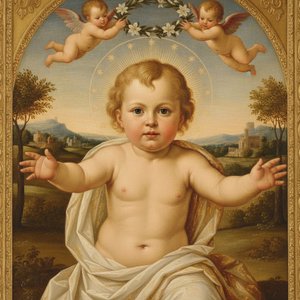
Lorenzo Lotto’s 1545 rendition of the Pietà stands as a profoundly moving testament to human suffering and divine grace, a cornerstone of his distinctive artistic vision. Far removed from the idealized beauty often associated with Renaissance sculpture, Lotto's interpretation plunges directly into the heart of grief, offering a raw and intensely personal portrayal of Mary cradling the lifeless body of Christ. This isn’t merely a depiction of a religious scene; it’s an exploration of sorrow, loss, and the enduring power of maternal love—a characteristic that cemented Lotto’s reputation as one of Venice's most psychologically astute painters.

The painting immediately commands attention with its dramatic use of light and shadow. A deep, enveloping darkness dominates the background, creating a sense of claustrophobia and emphasizing the vulnerability of the figures within. Lotto masterfully employs chiaroscuro – the stark contrast between light and dark – to draw our focus to Mary’s face, etched with an anguish that is both palpable and heartbreaking. Her expression isn't one of serene acceptance, but rather a visceral reaction to unimaginable loss; her eyes are closed, suggesting a profound stillness born not of peace, but of overwhelming grief. The folds of her garments cascade around Christ’s body, mirroring the weight of his suffering and her own sorrow.

A Venetian Soul: Lotto's Unique Style

Lotto’s artistic journey was anything but conventional. Unlike many of his contemporaries who established themselves within specific schools or courts, he embraced a nomadic existence, moving between Venice, Treviso, Rome, Bergamo, and Loreto. This constant movement profoundly shaped his style, exposing him to diverse influences while fostering an independent spirit that set him apart. While early training undoubtedly involved the lessons of Giovanni Bellini – evident in the rich colors and atmospheric perspective – Lotto quickly transcended simple imitation, forging a style uniquely his own—a blend of High Renaissance grace and nascent Mannerist sensibiliti. His work is characterized by a nervous energy, an almost palpable sense of unease that reflects the emotional depth he sought to convey.

The painting’s composition itself is notable for its unconventionality. Lotto deliberately avoids the idealized beauty often associated with depictions of Mary and Christ. Instead, he presents them as ordinary people overwhelmed by tragedy. The figures are rendered with a remarkable degree of realism, their faces bearing the marks of age and hardship. This departure from traditional iconography reflects Lotto’s commitment to portraying human emotion with honesty and sincerity. The subtle details – the delicate veins visible beneath Christ's skin, the slight tremor in Mary’s hand – contribute to the painting’s overwhelming sense of immediacy.

Symbolism and Context

The Pietà transcends a simple narrative; it is laden with symbolic meaning. The pyramidal composition, reminiscent of works by Botticelli, anchors the scene while simultaneously directing our gaze towards the central figures. The dark background symbolizes death and despair, while the light that illuminates Mary’s face represents hope and redemption. Crucially, Lotto's choice to depict Mary not as a passive recipient of grief, but as an active participant in Christ’s suffering underscores her role as co-redeemer—a concept central to Christian theology. The inclusion of John the Baptist, standing to the left of Mary, further emphasizes this theme, linking the sorrowful scene with the anticipation of salvation.

The painting was commissioned for a Dominican nunnery in Treviso, and its creation coincided with a period of intense religious fervor in Italy. Lotto’s Pietà reflects this atmosphere of piety and devotion, while also offering a deeply personal meditation on mortality and faith. The fact that the church itself was later destroyed adds another layer of poignancy to the work—a reminder of the fragility of human endeavors and the enduring power of art.

A Timeless Masterpiece

Lorenzo Lotto’s Pietà is more than just a beautiful painting; it's a profound exploration of the human condition. Its raw emotion, masterful technique, and rich symbolism continue to resonate with viewers centuries after its creation. Whether viewed as a devotional object or a work of art for its own sake, this masterpiece offers a glimpse into the soul of a remarkable artist and a timeless meditation on sorrow, loss, and the enduring power of love.


السيرة الذاتية للفنان

رحلة فنان متجول: حياة وفن لورينزو لوتو

ولد لورينزو لوتو في قلب مدينة البندقية النابض بالحياة حوالي عام 1480، وبرز كصوت متميز في عصر النهضة الإيطالية، على الرغم من أن رحلته الفنية قادته بعيدًا عن استوديوهات المدينة الساحلية الشهيرة. بخلاف العديد من معاصريه الذين رسخوا مكانتهم في مدارس أو بلاطات محددة، انطلق لوتو في مسيرة متقلبة، متنقلاً بين مدن مثل تريفيزو وروما وبرغامو وأنكونا قبل أن يجد العزاء أخيرًا كراهب علماني في لوريتو. كان لهذا الوجود المتجول تأثير عميق على رؤيته الفنية، حيث عرّضه لتأثيرات متنوعة مع تعزيز روح استقلالية ميزته عن غيره. بينما تظل التدريبات المبكرة غامضة إلى حد ما، يُعتقد أنه استوعب دروس جيوفاني بيليني، وهو شخصية رائدة في المدرسة البندقية، لكن لوتو سرعان ما تجاوز مجرد التقليد، وصاغ أسلوبًا فريدًا من نوعه - مزيج من أناقة عصر النهضة العليا وحساسيات المانية الناشئة.

دمج التقاليد: الأسلوب والتأثيرات

يكمن توقيع لوتو الفني في قدرته الرائعة على تجميع تأثيرات متنوعة في جمالية متماسكة وشخصية عميقة. تكشف أعماله المبكرة عن تأثير الواقعية الشعرية لجورجيوني، لا سيما في التأثيرات الجوية الدقيقة والتكوينات الغنائية. ومع ذلك، فإن فترة إقامة في روما عرّفته بفن رفائيل، مما أضفى على عمله وضوحًا جديدًا في الشكل والتوازن التركيبي. لاحقًا، خلال إقامته الممتدة في برغامو، استوعب عناصر الواقعية اللومباردية، مضيفًا جسدانية راسخة لشخصياته. هذا النهج المتنوع ليس مجرد إضافة؛ لقد دمج لوتو هذه التأثيرات ببراعة، وخلق لوحات تقنية متقنة وعاطفية رنانة. لم يكن خائفًا من تجربة المنظور، وغالبًا ما يستخدم وجهات نظر غير عادية لتعزيز الشعور بالدراما أو الحميمية. كانت لوحته اللونية، المتجذرة في ألوان البندقية، تتطور بمرور الوقت، لتصبح أكثر حيوية وتعبيرًا بشكل متزايد. سوزانا والشيوخ، التي رسمت خلال فترة برغامو، تجسد هذا النضج - سرد جذاب تم تقديمه بألوان مضيئة وبصيرة نفسية حادة في مشاعر الشخصيات.

صور للروح: روائع لوتو

بينما تفوق لوتو في الرسم الديني، ربما كان من خلال صوره الذاتية التي ميز نفسه حقًا. امتلك موهبة غير عادية لالتقاط ليس فقط الشبه الجسدي ولكن أيضًا الحياة الداخلية لموضوعاته. نادرًا ما تكون صوره الذاتية مثالية؛ بدلاً من ذلك، فإنها تقدم أفرادًا بكل تعقيداتهم وضعفهم. رجل ب paw ذهبي، التي رسمت في عام 1527، هو مثال رئيسي - دراسة آسرة لرجل يحمل تمثالًا ذهبيًا صغيرًا، ورمزيته مفتوحة للتفسير ولكنها لا شك فيها مثيرة للاهتمام. نظرة الجالس مباشرة وجذابة، تنقل إحساسًا بالذكاء والتأمل الهادئ. وبالمثل، صورة لرجل يبلغ من العمر 37 عامًا، يُظهر قدرة لوتو على نقل الشخصية من خلال التفاصيل الدقيقة - ملابس الرجل ووضعيته والتعبير في عينيه كلها تساهم في صورة نفسية مقنعة. هذه ليست مجرد تمثيلات للأفراد؛ إنها نوافذ على أرواحهم.

إرث مُكتشف: الأهمية التاريخية

على الرغم من تحقيق اعتراف كبير خلال حياته، تضاءلت سمعة لوتو بعد وفاته في عام 1556 أو 1557. غالبًا ما تم تفريق أعماله بين الكنائس الإقليمية والمجموعات الخاصة، وتم تجاهلها إلى حد كبير لعدة قرون. لم يكن الأمر حتى أواخر القرن التاسع عشر، مع المنح الدراسية الرائدة لبرنارد بيرنسون، أن شهد لوتو إحياءً كبيرًا في الاهتمام. اليوم، يُعرف بأنه أحد أكثر الفنانين أصالة وإقناعًا في عصر النهضة الإيطالية. لا يزال مزيجه الفريد من التأثيرات الأسلوبية وعمقه النفسي وبراعته التقنية يأسر الجمهور ويلهم مؤرخي الفن. إنه دليل على قوة الاستقلال الفني - متجول شق طريقه الخاص وترك بصمة لا تمحى في عالم الفن. إن إعادة اكتشاف أعمال لوتو أثرت على فهمنا لعصر النهضة، وكشفت عن فنان معقد ومتعدد الأوجه يستحق المزيد من الاستكشاف والتقدير.

لورينزو لوتو

لورينزو لوتو

1480 - 1556 , إيطاليا

حقائق سريعة

  • أعمال بارزة:
    • العذراء والطفل مع القديس جيروم
    • رمز الفضيلة والرذيلة
    • القديس جيروم في الصحراء
    • رجل بـ مخلب ذهبي
  • الاسم الكامل: لورينزو لوتو
  • الجنسية: إيطالي
  • الحركة الفنية: النهضة، المانييرية
  • تاريخ الميلاد: حوالي 1480
  • تاريخ الوفاة: 1556/57
  • فنانون مؤثرون:
    • جيوفاني بيلييني
    • جورجوني
    • كوريدجو
    • بالما الأكبر
  • مكان الميلاد: البندقية، إيطاليا