معاينة الحجم الحقيقي معاينة بالواقع المعزز اشترِ لوحة مرسومة يدويًا الانتقال إلى الصورة الرقمية مشاركة
التفاصيل الدليل أضف إلى المفضلة تحميل الملف قطع مشابهة الأشعة السينية عرض شرائح الإحصائيات

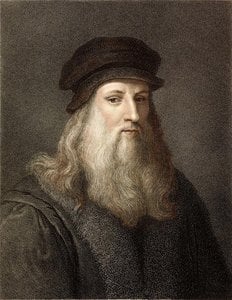
Study sheet (detail)

Study sheet by Leonardo da Vinci showcases detailed profiles and sketches—a glimpse into the master's meticulous process & anatomical studies. Explore this iconic work of art.

استكشف عالم ليوناردو دا فينشي (1452-1519)، عبقري عصر النهضة وراء الموناليزا والعشاء الأخير! اكتشف تقنية السfumato، ودراساته التشريحية، واختراعاته الرائدة التي أحدثت ثورة في الفن والعلوم.

طباعة جيلي / مطبوعات فنية

طباعة جيكلي أو كانفاس بجودة المتاحف، مع سرعة في التنفيذ وخيارات متنوعة للتشطيب. ( اشترِ لوحة مرسومة يدويًا الانتقال إلى الصورة الرقمية)

P118B $10
P118H $10
P118W $10
P438Z $10
P508JH $12
P508YH $12
P805H $10
P805Z $10
P919BZ $10
P919G $10
P919XJ $10
P959ZH $10
P968JZ $12
W106C $8
W218G $10
W218JH $8
W218Y $10
W307PJ $10
W316G $10
W316PJ $8
W316Y $10
W398PJ $8
W4111J $10
W500HY $15
W500JH $15
W692G $12
W849H $8
W940BG $15
W953PJ $8

قياسي
حسب الطلب
CM
INCH

اختر من بين أحجامنا المُعدّة مسبقًا والتي تتطابق مع النسب الأصلية للعمل الفني.

العرض
الارتفاع

يمكنك إدخال أبعادك الخاصة لتناسب إطاراً أو مساحة معينة. وإذا لم يتطابق الحجم الذي اخترته مع نسب الصورة الأصلية، فسنقوم إما بقص العمل الفني أو تمديد الصورة باستخدام حافة معكوسة أو بلون مصمت. سيتم إرسال نموذج تجريبي رقمي لاعتمادك قبل بدء الإنتاج.
يرجى ملاحظة أن المعاينة على الشاشة لا تعكس عملية القص أو التمديد الفعلية؛ حيث سيوضح النموذج التجريبي فقط التكوين النهائي بدقة.
وعلى الرغم من توفر أحجام مخصصة، إلا أننا نوصي باختيار أبعاد من القائمة المحددة مسبقاً للحفاظ على النسب الأصلية.

توصيل عالمي إلى خلال أسبوعين بدلاً من المدة القياسية البالغة 4/5 أسابيع. 23 سبتمبر

why_choose_icon
شحن سريع ومجاني لجميع أنحاء العالم
why_choose_icon
قماش كتان عالي الجودة
why_choose_icon
تأمين شحن شامل
why_choose_icon
ضمان استرداد الرسوم الجمركية
why_choose_icon
ضمان مطابقة الألوان الحقيقية
why_choose_icon
سياسة الإرجاع خلال 100 يوم (في حالات العيوب فقط)
why_choose_icon
ضمان استرداد نقدي بنسبة 100%
why_choose_icon
خصم عند طلب عدة قطع

إجمالي السعر

$ 68

reproduction

Study sheet (detail)

طباعة جيلي / مطبوعات فنية

مقاس النسخة المطبوعة

-

السعر الإجمالي النهائي

$ 68

معلومات سريعة

  • Medium: Ink on paper
  • Title: Study sheet (detail)
  • Movement: High Renaissance
  • Notable elements or techniques: Mirror writing, anatomical study
  • Artistic style: Renaissance sketch
  • Artist: Leonardo da Vinci

اختبار الفنون

يوجد إجابة صحيحة واحدة فقط لكل سؤال.

سؤال 1:
What is the primary subject depicted in Leonardo da Vinci’s ‘Study sheet (detail)’?
سؤال 2:
Based on the image description, what is one notable element present within the painting’s composition?
سؤال 3:
Who is the artist credited with creating ‘Study sheet (detail)’?
سؤال 4:
According to the provided research, what is a characteristic of Leonardo da Vinci’s artistic practice that might explain the limited number of fully completed works attributed to him?
سؤال 5:
The ‘Study sheet (detail)’ is considered part of which broader category of Leonardo da Vinci’s work?

Study Sheet (Detail) – A Window into Leonardo’s Mind

Leonardo da Vinci's "Study Sheet (Detail)," a remarkably intimate glimpse into the artist’s creative process, transcends mere preparatory sketch; it’s a vibrant tableau of observation, experimentation, and profound human understanding. Dating from around 1478-1480 in Milan, during his formative years under Andrea del Verrocchio's tutelage, this unassuming sheet offers an unparalleled opportunity to witness the genesis of some of art history’s most iconic works. The image itself presents two figures engaged in conversation – a study in gesture and expression, rendered with Leonardo’s signature meticulous detail. The men are not portraits intended for grand display; rather, they appear as subjects for anatomical studies, or perhaps even preliminary sketches for larger compositions. Their relaxed posture and the subtle nuances of their facial expressions suggest an atmosphere of intellectual exchange, hinting at a shared interest in observation and understanding.

Technically, the sheet is executed primarily with pen and ink on paper – a remarkably economical yet expressive medium favored by Leonardo during this period. The lines are not simply delineating form; they’re imbued with a dynamic energy, capturing movement and suggesting underlying musculature. Notice how Leonardo employs rapid, broken strokes to define the contours of the figures, creating an illusion of volume and depth. The shading is subtle yet effective, utilizing cross-hatching to build tone and create areas of light and shadow. This masterful control over line and value demonstrates a deep understanding of perspective and anatomy – skills honed through relentless dissection and observation.

Anatomical Explorations & The Pursuit of Truth

Leonardo’s fascination with the human form was legendary, driven by an insatiable desire to understand its mechanics and beauty. “Study Sheet (Detail)” is a testament to this pursuit, revealing his meticulous anatomical studies that underpinned his artistic achievements. The figures are not idealized representations; they possess a palpable sense of realism, reflecting Leonardo’s commitment to scientific accuracy. The careful rendering of hands, in particular, showcases his deep understanding of skeletal structure and muscle movement – a subject he explored extensively through dissections. This dedication to anatomical truth wasn't merely academic; it was integral to his artistic vision, allowing him to capture the essence of human emotion and experience with unparalleled fidelity.

Interestingly, alongside these studies of the figures themselves, we find evidence of Leonardo’s broader intellectual interests. A clock is depicted in the background, a symbol of time and measurement – reflecting his fascination with engineering and mechanics. A book suggests an engagement with philosophical or literary ideas. These seemingly incidental details enrich the composition, revealing Leonardo as a true Renaissance man—a polymath driven by curiosity and a relentless desire to integrate art, science, and philosophy into a cohesive worldview.

Symbolism & The Human Condition

While ostensibly a preparatory study, “Study Sheet (Detail)” is rich in symbolic potential. The conversation between the two men could represent a dialogue about knowledge, perception, or perhaps even the nature of reality itself. The relaxed setting and informal gestures suggest a sense of camaraderie and intellectual openness – values highly prized during the Renaissance. Leonardo’s ability to capture such subtle nuances of human interaction speaks volumes about his profound understanding of psychology and social dynamics.

Furthermore, the sheet's composition—the figures positioned within a confined space—can be interpreted as a metaphor for the limitations of human perception. Leonardo was acutely aware that our senses can deceive us, and that true knowledge requires careful observation and critical analysis. “Study Sheet (Detail)” invites us to contemplate these themes alongside the artist’s masterful rendering of form and gesture, offering a poignant reflection on the complexities of the human condition.

A Reproduction for the Collector

Reproductions of Leonardo da Vinci's works are prized by collectors worldwide, not merely for their aesthetic beauty but also for their historical significance. A high-quality reproduction of “Study Sheet (Detail)” offers a unique opportunity to bring this intimate glimpse into Leonardo’s mind into your home or office. The meticulous detail and vibrant colors faithfully capture the essence of the original, allowing you to appreciate the artist's genius in exquisite clarity. Consider framing it within an antique wooden frame to further enhance its historical charm – a testament to both the enduring legacy of Leonardo da Vinci and the timeless appeal of his art.


السيرة الذاتية للفنان

ليوناردو دا فينشي: عبقري عصر النهضة ورمز الإبداع اللامحدود

في قلب عصر النهضة، بزغ نجم ليوناردو دي سير بييرو دا فينشي، المولود عام 1452 بالقرب من بلدة فينتشي التوسكانية. لم يكن مجرد فنان، بل كان تجسيدًا للعبقرية الشاملة – عالمٌ، ومهندسٌ، ومخترعٌ، ورائدُ علم التشريح، وفيلسوفٌ، ترك بصمةً لا تمحى على الفن والعلوم والهندسة. اسمُه نفسه أصبح مرادفًا للذكاء الخارق، دليلًا على اتساع مواهبه وتوقعاته الرؤيوية التي سبقت عصره بقرون. نشأته غير التقليدية، كونه ابنًا غير شرعي لموظف رسمي ومزارعة، لم تمنعه من الوصول إلى العالم العملي وتقدير الطبيعة، وهما عنصران شكلا رؤيته الفنية بعمق. تلقى تعليمًا أساسيًا في القراءة والكتابة والحساب، لكن فترة تدريبه تحت إشراف أندريا ديل فيروكيو في فلورنسا أشعلت شرارة الإبداع بداخله. لم يكن يتعلم الرسم أو النحت فحسب، بل كان ينغمس في عالم من المهارات التقنية، حيث أتقن المعادن والنجارة والرسم وتعقيدات الخلق الفني – وهو أساس بنى عليه عبقرية متعددة الأوجه.

من فلورنسا إلى ميلانو: الإبداع والتجارب الهندسية

في عام 1482، انطلق ليوناردو في فصل جديد من حياته، حيث دخل خدمة لودوفيكو سفورزا، دوق ميلانو. لم يكن هذا مجرد تعيين فني؛ بل عمل كمهندس عسكري ومعماري ونحات ومصمم للمحكمة – دليل على مهاراته المتنوعة. صاغ تحصينات مبتكرة، وصمم مسارحًا متقنة، وحتى رسم خططًا لآلات خيالية. خلال هذه الفترة بالذات، بدأ العمل على إحدى روائع أعماله الخالدة: العشاء الأخير. تم تصوير اللوحة على شكل فسيفساء في قاعة الطعام التابعة لدير سانتا ماريا ديلي غراتسي، وهي تتجاوز مجرد التمثيل؛ إنها استكشاف عميق للعواطف الإنسانية والدراما النفسية، حيث تلتقط لحظة الإعلان عن الخيانة. كان التركيب المبتكر في عصره، والاستخدام البارع للمنظور، له تأثير عميق على الفن الغربي لقرون قادمة. وعلى الرغم من أن العديد من المشاريع النحتية ظلت غير مكتملة خلال فترة ميلانو، إلا أن الروح الاختراعية ليوناردو استمرت في الازدهار، مما وضع الأساس للاستكشافات العلمية المستقبلية.

العودة إلى فلورنسا: البحث عن الكمال وابتكار "الموناليزا"

بعد الغزو الفرنسي لميلانو عام 1499، عاد ليوناردو إلى فلورنسا، وهي مدينة تشهد ذروة التطور الفني. على الرغم من أن عدد الأعمال المكتملة التي أنتجها خلال هذه الفترة كان أقل نسبيًا، إلا أن تأثيرها كان هائلاً. هنا بدأ العمل على ما أصبح يُعتبر على نطاق واسع أشهر لوحة في العالم: الموناليزا (جيوكندا). السحر الغامض للابتسامة والنظرة الآسرة للموضوع قد أسرت انتباه المشاهدين لعدة أجيال، بينما ساهم تقنية *السفوماتو* الثورية – وهو المزج الدقيق بين الضوء والظل لخلق خطوط ضبابية ومنظور جوي – بشكل كبير في الجودة الأثيرية للوحة. شهدت هذه الفترة أيضًا استمرارًا لتحسين دراساته التشريحية، مدفوعًا برغبة لا هوادة فيها في فهم الشكل البشري بدقة علمية. قام بتشريح جثث، ووثق بدقة العضلات والعظام والأعضاء في سلسلة من الرسومات التفصيلية بشكل لا يصدق والتي سبقت عصرها بقرون.

إرث يتجاوز الفن: العلم والاختراع والتأثير الدائم

تميزت سنوات ليوناردو اللاحقة بالسفر بين فلورنسا وميلانو وروما، حيث كان مطلوبًا دائمًا لخبرته ولكنه غالبًا ما ترك المشاريع غير مكتملة – وهو انعكاس ربما لعقله المتعب ومدى اهتماماته الواسعة. في عام 1516، قبل دعوة من الملك فرانسيس الأول للعيش والعمل في قلعة دو كلوز لوكي بالقرب من أمبوايس في فرنسا، حيث قضى سنواته الأخيرة. توفي هناك عام 1519، تاركًا وراءه إرثًا واسعًا يتجاوز بكثير عالم الفن. تكشف مفكراته عن عمل رائد في علم التشريح والبصريات والهيدروليكا والجيولوجيا ورسم الخرائط – وصمم اختراعات سبقت عصرها بقرون، بما في ذلك الآلات الطائرة والخزانات وأسلحة متطورة. لا يمكن إنكار تأثير ليوناردو دا فينشي على تاريخ الفن. لقد رفع مكانة الفنانين من حرفيين ماهرين إلى شخصيات فكرية، مما أظهر أن الخلق الفني يمكن أن يتأثر بالتحقيق العلمي وفهم عميق للعالم الطبيعي. تُحتفى بلوحاته بواقعيتها وعمقها النفسي وتقنياتها المبتكرة. يظل رمزًا لفضول الإنسان وإبداعه والسعي الدؤوب للمعرفة – تجسيد حقيقي لروح عصر النهضة التي لا تزال تلهم الرهبة والإعجاب قرونًا بعد وفاته.

أبرز الإنجازات والتأثير الدائم

  • الرسم: العشاء الأخير، الموناليزا، عذراء الصخور، إعلان
  • الرسم والتدوين: دراسات تشريحية واسعة النطاق، تصميمات هندسية (آلات طيران، أسلحة)، رسومات نباتية
  • العلم والهندسة: عمل رائد في علم التشريح والبصريات والهيدروليكا والجيولوجيا ورسم الخرائط. صمم اختراعات سبقت عصرها بقرون.
ليوناردو دا فينشي

ليوناردو دا فينشي

1452 - 1519 , إيطاليا

حقائق سريعة

  • أعمال فنية بارزة:
    • الموناليزا
    • العشاء الأخير
    • آدم والرب
    • صخور العذراء
  • الاسم الكامل: ليوناردو دا فينشي
  • الجنسية: إيطالي
  • الحركة الفنية: عصر النهضة العليا
  • تاريخ الميلاد: 15 أبريل 1452
  • حركات فنية تأثر بها: ['عصر النهضة']
  • فنانون أثروا فيه: ['أندريا ديل فيروكيو']
  • مكان الميلاد: فينشي، إيطاليا
استكشف الأعمال الفنية المصنفة حسب الموضوعات والأنماط والخصائص.