The Essence of Human Dignity: A Renaissance Vision
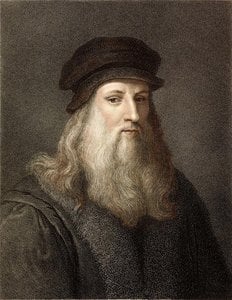
In the quiet corridors of the Museo Reali di Firenze, there exists a window into the soul of the High Renaissance, captured through the masterful hand of Leonardo da Vinci. His "Perfil de Hombre" (c. 1506-10) is far more than a mere anatomical study; it is a profound meditation on the dignity and potential of the human spirit. This sanguine drawing, executed with delicate precision on ivory paper, presents a male figure in profile, his gaze fixed upon an unseen horizon. There is an unmistakable gravity to his expression, a solemnity that suggests a mind engaged in deep, philosophical contemplation. To look upon this portrait is to witness the very moment where scientific observation meets poetic grace, inviting the viewer to pause and reflect on the strength found in stillness.
The technical brilliance of Da Vinci is nowhere more evident than in his application of sfumato. Through a meticulous layering of thin pigment washes, Leonardo achieved a breathtakingly soft transition of tones, blurring the edges of the face to create an ethereal, lifelike quality. This technique allows the musculature and skin texture to emerge with a startling realism, yet it retains a dreamlike softness that prevents the portrait from feeling static. Every contour is a testament to his lifelong obsession with anatomy and the subtle interplay of light and shadow, making this piece an essential cornerstone for any collection dedicated to the mastery of classical technique.
Symbolism and the Classical Ideal
Beyond its physical beauty, "Perfil de Hombre" is steeped in the intellectual currents of the Florentine period. The figure is not merely a man, but a symbol of the humanist ideals that sought to harmonize the human experience with the laws of nature and mathematics. A subtle yet powerful element within the composition is the laurel wreath encircling the subject's head—a classical emblem of honor, victory, and intellectual achievement. This detail serves as an homage to the artist’s own genius and his connection to the great thinkers of antiquity.
Furthermore, the composition reflects the influence of Vitruvian principles, where proportion and balance serve as the foundation of beauty. The positioning of the figure against a subtle horizontal line evokes a sense of cosmic order, suggesting that the individual is a microcosm of the universe itself. For the discerning collector or interior designer, this artwork offers more than just aesthetic appeal; it provides a narrative of aspiration and ambition. The subject's gaze, directed toward the distance, inspires a sense of looking forward, making it a perfect focal point for spaces designed to foster inspiration, intellect, and quiet strength.
A Timeless Addition to the Modern Interior
Integrating a high-quality reproduction of such a significant work into a contemporary setting allows for a sophisticated dialogue between history and modernity. The monochromatic elegance of the sanguine tones and the soft, atmospheric depth of the piece complement a wide array of interior styles, from the minimalist grandeur of modern galleries to the warm, textured layers of classical study rooms. It is an investment in atmosphere, bringing a sense of historical weight and intellectual prestige to any environment.
Whether displayed as a singular statement piece or part of a curated gallery wall, "Perfil de Hombre" evokes an emotional resonance that transcends time. It captures the eternal human quest for knowledge and the quiet power of the individual. For those who seek to surround themselves with art that speaks of depth, character, and the enduring legacy of the Renaissance, this portrait stands as an incomparable choice, offering a daily encounter with the sublime.



 معاينة الحجم الحقيقي
 اشترِ لوحة مرسومة يدويًا
 مشاركة
 مشاركة
 التفاصيل

 تحميل الملف
 قطع مشابهة
 الأشعة السينية
 عرض شرائح

 عرض المزيد






































 خيار الزجاج متاح فقط للمقاسات التي تقل عن 110 سم