معاينة الحجم الواقعي معاينة بالواقع المعزز التبديل إلى المطبوعات التحويل إلى الصورة الرقمية إرسال
عرض التفاصيل دليل الأعمال الفنية للطلاب أضف إلى المفضلة تحميل قطع مشابهة الأشعة السينية عرض شرائح متتابع الإحصائيات

Equestrian Statue

Discover Leonardo da Vinci’s iconic Equestrian Statue! A masterpiece of High Renaissance art, showcasing anatomical precision & dynamic composition. Own a unique piece of history.

استكشف عالم ليوناردو دا فينشي (1452-1519)، عبقري عصر النهضة وراء الموناليزا والعشاء الأخير! اكتشف تقنية السfumato، ودراساته التشريحية، واختراعاته الرائدة التي أحدثت ثورة في الفن والعلوم.

نسخة زيتية مصنوعة يدوياً

لوحة زيتية مرسومة يدوياً على الكانفاس بالمقاس والإطار الذي تفضله، تُنفذ حسب الطلب على أيدي فنانينا. ( التبديل إلى المطبوعات التحويل إلى الصورة الرقمية)

Corner sample of the P118B picture frame: بوليسترين مُشكّل, 5 cm wide and 3 cm thick
P118B E£10
Corner sample of the P118H picture frame: بوليسترين مُشكّل, 5 cm wide and 3 cm thick
P118H E£10
Corner sample of the P118W picture frame: بوليسترين مُشكّل, 5 cm wide and 3 cm thick
P118W E£10
Corner sample of the P438Z picture frame: بوليسترين مُشكّل, 5.5 cm wide and 3.5 cm thick
P438Z E£10
Corner sample of the P508JH picture frame: بوليسترين مُشكّل, 7 cm wide and 3.5 cm thick
P508JH E£12
Corner sample of the P508YH picture frame: بوليسترين مُشكّل, 7 cm wide and 3.5 cm thick
P508YH E£12
Corner sample of the P805H picture frame: بوليسترين مُشكّل, 5 cm wide and 3.5 cm thick
P805H E£10
Corner sample of the P805Z picture frame: بوليسترين مُشكّل, 5 cm wide and 3.5 cm thick
P805Z E£10
Corner sample of the P919BZ picture frame: بوليسترين مُشكّل, 7 cm wide and 3.5 cm thick
P919BZ E£10
Corner sample of the P919G picture frame: بوليسترين مُشكّل, 7 cm wide and 3.5 cm thick
P919G E£10
Corner sample of the P919XJ picture frame: بوليسترين مُشكّل, 7 cm wide and 3.5 cm thick
P919XJ E£10
Corner sample of the P959ZH picture frame: بوليسترين مُشكّل, 5 cm wide and 3 cm thick
P959ZH E£10
Corner sample of the P968JZ picture frame: بوليسترين مُشكّل, 6 cm wide and 4 cm thick
P968JZ E£12
Corner sample of the W106C picture frame: خشب طبيعي صلب, 5 cm wide and 3 cm thick
W106C E£8
Corner sample of the W218G picture frame: خشب طبيعي صلب, 5 cm wide and 3 cm thick
W218G E£10
Corner sample of the W218JH picture frame: خشب طبيعي صلب, 5 cm wide and 3 cm thick
W218JH E£8
Corner sample of the W218Y picture frame: خشب طبيعي صلب, 5 cm wide and 3 cm thick
W218Y E£10
Corner sample of the W307PJ picture frame: خشب طبيعي صلب, 6 cm wide and 3 cm thick
W307PJ E£10
Corner sample of the W316G picture frame: خشب طبيعي صلب, 6 cm wide and 3 cm thick
W316G E£10
Corner sample of the W316PJ picture frame: خشب طبيعي صلب, 6 cm wide and 3 cm thick
W316PJ E£8
Corner sample of the W316Y picture frame: خشب طبيعي صلب, 6 cm wide and 3 cm thick
W316Y E£10
Corner sample of the W398PJ picture frame: خشب طبيعي صلب, 5 cm wide and 3 cm thick
W398PJ E£8
Corner sample of the W4111J picture frame: خشب طبيعي صلب, 6.5 cm wide and 3.5 cm thick
W4111J E£10
Corner sample of the W500HY picture frame: خشب طبيعي صلب, 7 cm wide and 5 cm thick
W500HY E£15
Corner sample of the W500JH picture frame: خشب طبيعي صلب, 7 cm wide and 5 cm thick
W500JH E£15
Corner sample of the W692G picture frame: خشب طبيعي صلب, 8 cm wide and 4 cm thick
W692G E£12
Corner sample of the W849H picture frame: خشب طبيعي صلب, 5 cm wide and 3 cm thick
W849H E£8
Corner sample of the W940BG picture frame: خشب طبيعي صلب, 7.5 cm wide and 4.5 cm thick
W940BG E£15
Corner sample of the W953PJ picture frame: خشب طبيعي صلب, 6 cm wide and 3.5 cm thick
W953PJ E£8

مقاس قياسي
مخصص
CM
INCH

اختر من بين أحجامنا المُعدّة مسبقاً والتي تتوافق مع النسب الأصلية للعمل الفني.

العرض
الارتفاع

أدخل العرض والارتفاع اللذين تحتاجهما، ليتناسب العمل مع إطارك أو جدارك. وبما أن هذه اللوحة مرسومة يدوياً، ففي حال اختيار مقاس بشكل مختلف، يمكن للفنان رسم مساحة إضافية حول الصورة أو تقليصها قليلاً — الخيار لك. سنرسل لك نموذجاً رقمياً تجريبياً لاعتماده قبل البدء في الرسم. علماً بأن الصورة المعروضة في هذه الصفحة لا تعكس النتيجة النهائية الحقيقية — فالنموذج التجريبي هو الوحيد الذي يوضح ذلك بدقة.

أمثلة على التعديلات الممكنة: استبدال الوجه بصورة العميل؛ إضافة حيوان أليف (مثل استبدال قطة بكلب)؛ تضمين رسالة مخفية في الخلفية؛ تغيير المناظر الطبيعية أو العناصر في الخلفية.
بعد إتمام الطلب، سيرسل فريق WahooArt.com بريداً إلكترونياً للعميل لطلب التعليمات وتزويده بمعاينة تجريبية (mockup).

توصيل عالمي إلى خلال 3 إلى 4 أسابيع بدلاً من المدة المعتادة البالغة 5 أسابيع. (26 أكتوبر). جودة لا تهاون فيها.

شحن سريع ومجاني لجميع أنحاء العالم
قماش كتان فاخر
تأمين شامل على الشحن
ضمان استرداد الرسوم الجمركية
ضمان دقة مطابقة الألوان
سياسة الإرجاع خلال 100 يوم (في حالات العيوب فقط)
ضمان استرداد نقدي بنسبة 100%
عرض خصم الكميات

إجمالي السعر

E£ 15358

Equestrian Statue

وسيط إعادة الإنتاج

مقاس النسخة المطبوعة

-

إجمالي السعر

E£ 15358

حقائق سريعة

  • medium: Bronze (sculpture)
  • notable elements: Dynamic composition, chiaroscuro, anatomical precision
  • year: 1519
  • title: Equestrian Statue

اختبار المعلومات الفنية

لكل سؤال إجابة صحيحة واحدة فقط.

سؤال 1:
To what art historical period does Leonardo da Vinci's 'Equestrian Statue' belong?
سؤال 2:
The image description notes the sculpture utilizes strong diagonal lines. What effect do these lines primarily create?
سؤال 3:
What technique, as mentioned in the artwork description, is used to add depth and dimensionality to Da Vinci's work?
سؤال 4:
The sculpture’s style is described as reminiscent of what ancient artistic tradition?

A Monument Frozen in Time: Unveiling Leonardo da Vinci’s Equestrian Statue

This artwork represents a fascinating chapter in the career of Leonardo da Vinci – a project brimming with ambition and innovation that, tragically, remained incomplete during his lifetime. While we experience it today through preparatory drawings and detailed descriptions, the *Equestrian Statue* stands as a powerful testament to Da Vinci’s genius and vision for monumental sculpture.

Subject & Composition: Power and Dynamic Movement

The envisioned statue depicted a rearing horse with a rider, intended as a grand memorial to Francesco Sforza, Duke of Milan. Unlike earlier equestrian monuments which typically showed the horse walking calmly, Da Vinci’s design captured a moment of intense energy and controlled power. The horse is dramatically poised, almost airborne, conveying both strength and nobility. Though the rider figure was never fully realized in clay, sketches suggest a commanding presence, integral to the overall dynamic composition. This departure from traditional equestrian portraiture signaled a new era in sculptural representation.

Artistic Technique & Innovation

Da Vinci approached this project with his characteristic scientific rigor and inventive spirit. He meticulously studied equine anatomy, producing numerous detailed drawings that demonstrate an unparalleled understanding of the horse’s musculature and movement. His plans for casting the statue were equally groundbreaking. He proposed a bronze sculpture cast in separate sections – a revolutionary technique for such a large-scale work, utilizing internal supports to prevent collapse. This innovative approach was far ahead of its time, anticipating modern engineering principles. Chiaroscuro, though not directly applicable to the sculpture itself, informed Da Vinci’s preparatory drawings, lending depth and volume to his studies.

Historical Context: The High Renaissance & Milanese Patronage

Commissioned in 1482 during Da Vinci's first period in Milan under the patronage of Ludovico Sforza, the *Equestrian Statue* embodies the ideals of the High Renaissance – a celebration of human potential and classical antiquity. Sforza intended the monument to rival those of ancient Roman emperors, asserting his family’s power and prestige. However, political turmoil intervened; the bronze earmarked for the statue was diverted to create cannons during times of war, ultimately halting the project. The incomplete clay model was later destroyed by French soldiers in 1499.

Symbolism & Interpretation: Power, Legacy & Artistic Ambition

The rearing horse is a potent symbol of power, courage, and untamed energy. Its dynamic pose suggests both military prowess and noble spirit – qualities befitting the Duke Francesco Sforza. The statue’s monumental scale was intended to inspire awe and reverence. Beyond its political function, the *Equestrian Statue* also represents Da Vinci's own artistic ambition—his desire to push the boundaries of what was possible in sculpture. The very act of attempting such a complex and innovative work speaks volumes about his relentless pursuit of perfection.

Emotional Impact & Lasting Legacy

Though never fully realized, the *Equestrian Statue* continues to captivate viewers with its inherent power and unrealized potential. The surviving drawings offer a glimpse into Da Vinci’s creative process, revealing his meticulous attention to detail and his profound understanding of form and movement. It evokes a sense of both grandeur and melancholy – a reminder of artistic dreams interrupted by circumstance. The statue's influence can be seen in later equestrian monuments, solidifying its place as a pivotal work in the history of art.

Collecting & Interior Design

  • A reproduction of Da Vinci’s *Equestrian Statue* – whether as a bronze sculpture or a high-quality print of his preparatory drawings – adds a touch of Renaissance grandeur to any space.
  • Its dynamic composition and powerful imagery make it a striking focal point in living rooms, libraries, or home offices.
  • The statue’s association with power, ambition, and artistic innovation can inspire creativity and intellectual curiosity.
  • Consider pairing the artwork with neutral color palettes and classic furnishings to complement its timeless aesthetic.

الأسئلة والأجوبة

ماذا يصور "Equestrian Statue" للفنان ليوناردو دا فينشي؟

تتمثل موضوعات "Equestrian Statue" في equestrian statue, renaissance art, bronze sculpture, historical figure, power & strength, dynamic composition, classical art, da vinci.

ما مدى تشبع لوحة ألوان "Equestrian Statue"؟

تتميز لوحة ألوان "Equestrian Statue" بدرجة تشبع Muted.

إلى أي مرحلة من مراحل تطور ليوناردو دا فينشي ينتمي العمل "Equestrian Statue"؟

ضمن مسيرة ليوناردو دا فينشي المهنية، تندرج لوحة "Equestrian Statue" ضمن مرحلة Mature Period. وتساعد هذه المرحلة في مقارنتها بأعمال الفنان الأخرى.


نبذة عن الفنان

ليوناردو دا فينشي: عبقري عصر النهضة ورمز الإبداع اللامحدود

في قلب عصر النهضة، بزغ نجم ليوناردو دي سير بييرو دا فينشي، المولود عام 1452 بالقرب من بلدة فينتشي التوسكانية. لم يكن مجرد فنان، بل كان تجسيدًا للعبقرية الشاملة – عالمٌ، ومهندسٌ، ومخترعٌ، ورائدُ علم التشريح، وفيلسوفٌ، ترك بصمةً لا تمحى على الفن والعلوم والهندسة. اسمُه نفسه أصبح مرادفًا للذكاء الخارق، دليلًا على اتساع مواهبه وتوقعاته الرؤيوية التي سبقت عصره بقرون. نشأته غير التقليدية، كونه ابنًا غير شرعي لموظف رسمي ومزارعة، لم تمنعه من الوصول إلى العالم العملي وتقدير الطبيعة، وهما عنصران شكلا رؤيته الفنية بعمق. تلقى تعليمًا أساسيًا في القراءة والكتابة والحساب، لكن فترة تدريبه تحت إشراف أندريا ديل فيروكيو في فلورنسا أشعلت شرارة الإبداع بداخله. لم يكن يتعلم الرسم أو النحت فحسب، بل كان ينغمس في عالم من المهارات التقنية، حيث أتقن المعادن والنجارة والرسم وتعقيدات الخلق الفني – وهو أساس بنى عليه عبقرية متعددة الأوجه.

من فلورنسا إلى ميلانو: الإبداع والتجارب الهندسية

في عام 1482، انطلق ليوناردو في فصل جديد من حياته، حيث دخل خدمة لودوفيكو سفورزا، دوق ميلانو. لم يكن هذا مجرد تعيين فني؛ بل عمل كمهندس عسكري ومعماري ونحات ومصمم للمحكمة – دليل على مهاراته المتنوعة. صاغ تحصينات مبتكرة، وصمم مسارحًا متقنة، وحتى رسم خططًا لآلات خيالية. خلال هذه الفترة بالذات، بدأ العمل على إحدى روائع أعماله الخالدة: العشاء الأخير. تم تصوير اللوحة على شكل فسيفساء في قاعة الطعام التابعة لدير سانتا ماريا ديلي غراتسي، وهي تتجاوز مجرد التمثيل؛ إنها استكشاف عميق للعواطف الإنسانية والدراما النفسية، حيث تلتقط لحظة الإعلان عن الخيانة. كان التركيب المبتكر في عصره، والاستخدام البارع للمنظور، له تأثير عميق على الفن الغربي لقرون قادمة. وعلى الرغم من أن العديد من المشاريع النحتية ظلت غير مكتملة خلال فترة ميلانو، إلا أن الروح الاختراعية ليوناردو استمرت في الازدهار، مما وضع الأساس للاستكشافات العلمية المستقبلية.

العودة إلى فلورنسا: البحث عن الكمال وابتكار "الموناليزا"

بعد الغزو الفرنسي لميلانو عام 1499، عاد ليوناردو إلى فلورنسا، وهي مدينة تشهد ذروة التطور الفني. على الرغم من أن عدد الأعمال المكتملة التي أنتجها خلال هذه الفترة كان أقل نسبيًا، إلا أن تأثيرها كان هائلاً. هنا بدأ العمل على ما أصبح يُعتبر على نطاق واسع أشهر لوحة في العالم: الموناليزا (جيوكندا). السحر الغامض للابتسامة والنظرة الآسرة للموضوع قد أسرت انتباه المشاهدين لعدة أجيال، بينما ساهم تقنية *السفوماتو* الثورية – وهو المزج الدقيق بين الضوء والظل لخلق خطوط ضبابية ومنظور جوي – بشكل كبير في الجودة الأثيرية للوحة. شهدت هذه الفترة أيضًا استمرارًا لتحسين دراساته التشريحية، مدفوعًا برغبة لا هوادة فيها في فهم الشكل البشري بدقة علمية. قام بتشريح جثث، ووثق بدقة العضلات والعظام والأعضاء في سلسلة من الرسومات التفصيلية بشكل لا يصدق والتي سبقت عصرها بقرون.

إرث يتجاوز الفن: العلم والاختراع والتأثير الدائم

تميزت سنوات ليوناردو اللاحقة بالسفر بين فلورنسا وميلانو وروما، حيث كان مطلوبًا دائمًا لخبرته ولكنه غالبًا ما ترك المشاريع غير مكتملة – وهو انعكاس ربما لعقله المتعب ومدى اهتماماته الواسعة. في عام 1516، قبل دعوة من الملك فرانسيس الأول للعيش والعمل في قلعة دو كلوز لوكي بالقرب من أمبوايس في فرنسا، حيث قضى سنواته الأخيرة. توفي هناك عام 1519، تاركًا وراءه إرثًا واسعًا يتجاوز بكثير عالم الفن. تكشف مفكراته عن عمل رائد في علم التشريح والبصريات والهيدروليكا والجيولوجيا ورسم الخرائط – وصمم اختراعات سبقت عصرها بقرون، بما في ذلك الآلات الطائرة والخزانات وأسلحة متطورة. لا يمكن إنكار تأثير ليوناردو دا فينشي على تاريخ الفن. لقد رفع مكانة الفنانين من حرفيين ماهرين إلى شخصيات فكرية، مما أظهر أن الخلق الفني يمكن أن يتأثر بالتحقيق العلمي وفهم عميق للعالم الطبيعي. تُحتفى بلوحاته بواقعيتها وعمقها النفسي وتقنياتها المبتكرة. يظل رمزًا لفضول الإنسان وإبداعه والسعي الدؤوب للمعرفة – تجسيد حقيقي لروح عصر النهضة التي لا تزال تلهم الرهبة والإعجاب قرونًا بعد وفاته.

أبرز الإنجازات والتأثير الدائم

  • الرسم: العشاء الأخير، الموناليزا، عذراء الصخور، إعلان
  • الرسم والتدوين: دراسات تشريحية واسعة النطاق، تصميمات هندسية (آلات طيران، أسلحة)، رسومات نباتية
  • العلم والهندسة: عمل رائد في علم التشريح والبصريات والهيدروليكا والجيولوجيا ورسم الخرائط. صمم اختراعات سبقت عصرها بقرون.
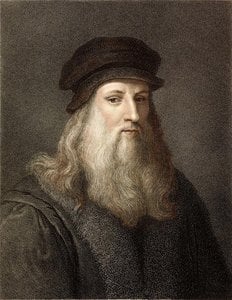
ليوناردو دا فينشي

ليوناردو دا فينشي

1452 - 1519 , إيطاليا

لمحة سريعة

  • أعمال فنية بارزة:
    • الموناليزا
    • العشاء الأخير
    • آدم والرب
    • صخور العذراء
  • الاسم الكامل: ليوناردو دا فينشي
  • الجنسية: إيطالي
  • الحركة الفنية: عصر النهضة العليا
  • تاريخ الميلاد: 15 أبريل 1452
  • حركات فنية تأثر بها: ['عصر النهضة']
  • فنانون أثروا فيه: ['أندريا ديل فيروكيو']
  • مكان الميلاد: فينشي، إيطاليا
استكشف الأعمال الفنية المصنفة حسب الموضوعات والأنماط والخصائص.