


طباعة جيكلي أو كانفاس بجودة المتاحف، مع سرعة في التنفيذ وخيارات متنوعة للتشطيب. ( شراء لوحة مرسومة يدويًا الانتقال إلى الصورة الرقمية)





























اختر من بين أحجامنا المُعدّة مسبقاً والتي تتوافق مع النسب الأصلية للعمل الفني.

أدخل العرض والارتفاع المطلوبين ليتناسب المقاس مع إطارك أو جدارك. يرجى الملاحظة أن المطبوعة يمكن قصها فقط ولا يمكن تكبيرها لتتجاوز أبعاد الصورة الأصلية، لذا فإن اختيار مقاس بأبعاد مختلفة سيؤدي إلى فقدان جزء من الصورة. سنرسل لك نموذجاً رقمياً تجريبياً لاعتماده قبل البدء في عملية الطباعة. الصورة المعروضة في هذه الصفحة لا توضح شكل القص الفعلي — النموذج التجريبي فقط هو ما يظهر ذلك بدقة.
توصيل عالمي إلى خلال أسبوعين بدلاً من المدة القياسية البالغة 4/5 أسابيع. (10 نوفمبر)
The Open Window
مقاس النسخة المطبوعة
In the quiet intersection of interior intimacy and Mediterranean expanse lies The Open Window, a 1921 masterpiece by the Spanish virtuoso Juan Gris. This work serves as more than a mere depiction of a seaside view; it is a profound meditation on the boundary between the known and the infinite. As the viewer gazes through the structured frame of the window, they are invited into a space where the analytical rigor of Cubism meets the sun-dasting warmth of the French coast. The composition masterfully balances the heavy, tactile presence of a still life in the foreground—featuring bottles, bowls, and scattered books—with the ethereal, light-filled promise of the ocean beyond. It is a painting that breathes, offering a rhythmic pulse between the stillness of a room and the movement of the tides.
Gris, often celebrated as the "third musketeer" of Cubism alongside Picasso and Braque, brought a unique, mathematical precision to the movement. Unlike the more fragmented deconstructions of his contemporaries, Gris utilized a method of synthetic reconstruction. In The Open Window, we see this technique at its zenith; he does not merely break objects apart but builds them back up through a sophisticated interplay of geometric planes and light. The artist uses sharp contrasts of shade to create a three-dimensional depth that pulls the eye from the tangible objects on the table toward the distant horizon. This structural integrity makes the piece particularly captivating for collectors who appreciate art that possesses both intellectual complexity and visual stability.
The historical context of this work is deeply intertwined with Gris’s personal journey and his relationship with the landscape of Southern France. Following his time in Collioure, where he was influenced by the vibrant color palettes of Matisse, Gris developed a signature way of treating the "open window" motif. In this 1921 composition, he achieves a rare clarity, separating the interior world—characterized by the musicality and intellectual weight of books and instruments—from the exterior world of nature. This separation creates a beautiful tension; the indoor setting feels like a sanctuary of thought, while the view through the window acts as an escape into the boundless Mediterranean light.
For the discerning interior designer or art enthusiast, this painting offers an unparalleled emotional resonance. It embodies a sense of tranquil contemplation and sophisticated leisure. The presence of everyday objects arranged with such deliberate grace suggests a life lived with intention and aesthetic awareness. Whether placed in a sunlit study to enhance a sense of scholarly calm or in a modern living space to provide a focal point of structural elegance, a high-quality reproduction of this work brings an atmosphere of timelessness and prestige. It is an invitation to pause, to look through the frame, and to find beauty in the structured harmony of our surroundings.
أما بخصوص حقوق الطبع والنشر، فإن "The Open Window" تندرج ضمن ملك عام - انتهت مدة حماية حقوق الطبع والنشر الخاصة به.
تأتي لوحة "The Open Window" للفنان خوان غريس بتنسيق Landscape، وهو التنسيق الذي يحدد أبعاد التكوين الفني.
تندرج لوحة "The Open Window" للفنان خوان غريس ضمن مدرسة Cubism، من حقبة Modern.

1887 - 1927 , إسبانيا

اكتشف 25 تحفة فنية لهنري ماتيس، رائد التعبيرية وFauvism. استكشف قصص لوحاته المذهلة وألوانه الجريئة. احصل على مطبوعات عالية الجودة لديكور منزلي فاخر. اكتشف جميع الروائع على WahooArt.com

اكتشف 25 تحفة فنية لبول سيزان، رائد الانطباعية وما بعد الانطباعية. استكشف قصص لوحاته الزيتية الشهيرة وألوانه الجريئة وتقنياته الفريدة. احصل على إلهام لديكور منزلك الفاخر مع WahooArt.com.
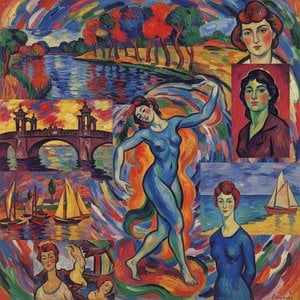
Explore 10 Fauvist masterpieces by Matisse, Derain & Vlaminck that ignited Modern Art! Discover bold colors, expressionist landscapes & the history of this revolutionary movement. Find museum-quality prints at WahooArt.com.
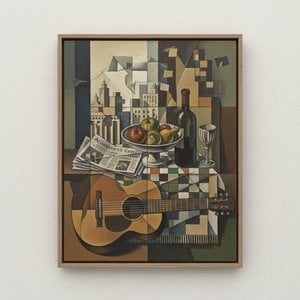
Explore the revolutionary art of Juan Gris – a master of Cubism. Discover his unique approach to deconstruction, vibrant Synthetic Cubist works, and lasting influence on modern art. Expert analysis for collectors.

اكتشف 10 روائع فنية رسمت مسار الفن الرومانسي! استكشف لوحات فريدريش، مالارد وأكثر. قصص الفنانين، تقنيات الرسم، وجمال المناظر الطبيعية الخلابة. احصل على أعمال فنية عالية الجودة من WahooArt.com!
 معاينة الحجم الواقعي
 مشاركة
 مشاركة
 التفاصيل
 دليل
دليل

 تحميل الملف
 قطع مشابهة
 الأشعة السينية
 عرض شرائح
 الأسئلة والأجوبة
 الإحصائيات


 عرض المزيد









 خيار الزجاج متاح فقط للمقاسات التي تقل عن 110 سم


