معاينة الحجم الواقعي معاينة بالواقع المعزز اطلب نسخة مرسومة يدويًا التحويل إلى الصورة الرقمية إرسال
عرض التفاصيل دليل الأعمال الفنية للطلاب أضف إلى المفضلة تحميل قطع مشابهة الأشعة السينية عرض شرائح متتابع الإحصائيات

Actresses

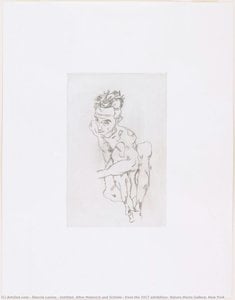
Explore Joseph Beuys' 'Actresses,' a poignant graphite drawing capturing two figures in movement. This preparatory sketch reveals his expressive style and explores themes of performance & humanity.

جوزيف بويس (1921-1986): رائد حركة فلوكسوس الألماني الذي مزج بين الفن والسياسة والإنسانية. استكشف مفهومه 'النحت الاجتماعي' - اللباد، الشحم، والمفاهيم الثورية.

إن العمل الفني المعروض في هذه الصفحة محمي بموجب قوانين حقوق الطبع والنشر، مما يعني أنه لا يحق لنا قانوناً إنشاء أو بيع نسخ مطابقة له. وتُطبق هذه الحماية بموجب الاتفاقيات الدولية مثل الـ اتفاقية برن ووفقاً للقوانين الوطنية، بما في ذلك تلك المنصوص عليها في قانون حقوق الطبع والنشر في الولايات المتحدة - الباب 17.

تتوافق هذه الطريقة تماماً مع لوائح حقوق النشر لأنها لا تتضمن نسخ أو تكرار العمل الفني المحمي، بل هي إعادة تفسير إبداعية؛ أي أنها لوحة جديدة مستوحاة من الأصل ولكنها ليست مطابقة له.

طباعة جيلي / مطبوعات فنية

طباعة جيكلي أو كانفاس بجودة المتاحف، مع سرعة في التنفيذ وخيارات متنوعة للتشطيب. ( اطلب نسخة مرسومة يدويًا التحويل إلى الصورة الرقمية)

Corner sample of the P118B picture frame: moulded polystyrene, 5 cm wide and 3 cm thick
P118B E£10
Corner sample of the P118H picture frame: moulded polystyrene, 5 cm wide and 3 cm thick
P118H E£10
Corner sample of the P118W picture frame: moulded polystyrene, 5 cm wide and 3 cm thick
P118W E£10
Corner sample of the P438Z picture frame: moulded polystyrene, 5.5 cm wide and 3.5 cm thick
P438Z E£10
Corner sample of the P508JH picture frame: moulded polystyrene, 7 cm wide and 3.5 cm thick
P508JH E£12
Corner sample of the P508YH picture frame: moulded polystyrene, 7 cm wide and 3.5 cm thick
P508YH E£12
Corner sample of the P805H picture frame: moulded polystyrene, 5 cm wide and 3.5 cm thick
P805H E£10
Corner sample of the P805Z picture frame: moulded polystyrene, 5 cm wide and 3.5 cm thick
P805Z E£10
Corner sample of the P919BZ picture frame: moulded polystyrene, 7 cm wide and 3.5 cm thick
P919BZ E£10
Corner sample of the P919G picture frame: moulded polystyrene, 7 cm wide and 3.5 cm thick
P919G E£10
Corner sample of the P919XJ picture frame: moulded polystyrene, 7 cm wide and 3.5 cm thick
P919XJ E£10
Corner sample of the P959ZH picture frame: moulded polystyrene, 5 cm wide and 3 cm thick
P959ZH E£10
Corner sample of the P968JZ picture frame: moulded polystyrene, 6 cm wide and 4 cm thick
P968JZ E£12
Corner sample of the W106C picture frame: solid wood, 5 cm wide and 3 cm thick
W106C E£8
Corner sample of the W218G picture frame: solid wood, 5 cm wide and 3 cm thick
W218G E£10
Corner sample of the W218JH picture frame: solid wood, 5 cm wide and 3 cm thick
W218JH E£8
Corner sample of the W218Y picture frame: solid wood, 5 cm wide and 3 cm thick
W218Y E£10
Corner sample of the W307PJ picture frame: solid wood, 6 cm wide and 3 cm thick
W307PJ E£10
Corner sample of the W316G picture frame: solid wood, 6 cm wide and 3 cm thick
W316G E£10
Corner sample of the W316PJ picture frame: solid wood, 6 cm wide and 3 cm thick
W316PJ E£8
Corner sample of the W316Y picture frame: solid wood, 6 cm wide and 3 cm thick
W316Y E£10
Corner sample of the W398PJ picture frame: solid wood, 5 cm wide and 3 cm thick
W398PJ E£8
Corner sample of the W4111J picture frame: solid wood, 6.5 cm wide and 3.5 cm thick
W4111J E£10
Corner sample of the W500HY picture frame: solid wood, 7 cm wide and 5 cm thick
W500HY E£15
Corner sample of the W500JH picture frame: solid wood, 7 cm wide and 5 cm thick
W500JH E£15
Corner sample of the W692G picture frame: solid wood, 8 cm wide and 4 cm thick
W692G E£12
Corner sample of the W849H picture frame: solid wood, 5 cm wide and 3 cm thick
W849H E£8
Corner sample of the W940BG picture frame: solid wood, 7.5 cm wide and 4.5 cm thick
W940BG E£15
Corner sample of the W953PJ picture frame: solid wood, 6 cm wide and 3.5 cm thick
W953PJ E£8

مقاس قياسي
مخصص
CM
INCH

اختر من بين أحجامنا المُعدّة مسبقاً والتي تتوافق مع النسب الأصلية للعمل الفني.

العرض
الارتفاع

يمكنك إدخال أبعاد خاصة لتناسب إطاراً أو مساحة معينة. وفي حال عدم تطابق الحجم المختار مع نسب الصورة الأصلية، سنقوم إما بقص العمل الفني أو تمديد الصورة باستخدام حافة معكوسة أو لون مصمت. وسيتم إرسال نموذج تجريبي رقمي لاعتمادك قبل بدء عملية الإنتاج.
يرجى ملاحظة أن المعاينة على الشاشة لا تعكس عملية القص أو التمديد الفعلية؛ حيث سيوضح النموذج التجريبي فقط التكوين النهائي بدقة.
وعلى الرغم من توفر أحجام مخصصة، إلا أننا نوصي باختيار أبعاد من القائمة المحددة مسبقاً للحفاظ على النسب الأصلية.

توصيل عالمي إلى خلال أسبوعين بدلاً من المدة القياسية البالغة 4/5 أسابيع. (10 أكتوبر)

شحن سريع ومجاني لجميع أنحاء العالم
قماش كتان فاخر
تأمين شامل على الشحن
ضمان استرداد الرسوم الجمركية
ضمان دقة مطابقة الألوان
سياسة الإرجاع خلال 100 يوم (في حالات العيوب فقط)
ضمان استرداد نقدي بنسبة 100%
عرض خصم الكميات

إجمالي السعر

E£ 3492

Actresses

طباعة جيلي / مطبوعات فنية

مقاس النسخة المطبوعة

-

إجمالي السعر

E£ 3492

حقائق سريعة

  • Artist: Joseph Beuys
  • Year: 1958
  • Dimensions: 21 x 29 cm
  • Movement: Neo-Dada
  • Medium: Graphite/Charcoal
  • Notable elements: Loose lines, gestural
  • Title: Actresses

اختبار المعلومات الفنية

لكل سؤال إجابة صحيحة واحدة فقط.

سؤال 1:
What artistic movement is most closely associated with Joseph Beuys’s work ‘Actresses’?
سؤال 2:
The drawing utilizes loose, sketchy lines. What does this technique primarily convey about the artwork?
سؤال 3:
What is the predominant color palette used in ‘Actresses’?
سؤال 4:
According to the description, what is a notable feature of the background in ‘Actresses’?
سؤال 5:
In what year was ‘Actresses’ created by Joseph Beuys?

The Weight of Performance: Joseph Beuys’s “Actresses”

Joseph Beuys's "Actresses," rendered in 1958 on a deceptively simple pale beige background, isn’t merely a sketch; it’s a distilled essence of performance, vulnerability, and the potent symbolism inherent within the human form. This preparatory drawing, a glimpse into the mind of one of the 20th century's most radical artists, immediately draws the viewer in with its loose, gestural lines – a deliberate rejection of rigid representation in favor of capturing a fleeting moment of embodied expression. The two figures, presented in profile and seemingly caught mid-movement, possess an immediate theatricality, hinting at dancers, performers, or perhaps even the silent drama of everyday life. Beuys wasn’t interested in replicating reality; he sought to translate feeling onto paper, imbuing his subjects with a palpable sense of energy and contained emotion.

Composition and Technique: A Study in Movement

The composition is strikingly asymmetrical, defying traditional notions of balance. The figures aren’t centered within the frame, instead occupying distinct points that create a dynamic imbalance—a visual representation of movement itself. Vertical lines, subtly introduced from the top edge, provide an anchor and structure to this otherwise fluid arrangement, preventing the drawing from dissolving into pure abstraction. Beuys's technique is characterized by a masterful use of hatching and cross-hatching, skillfully employed to build volume and shadow without resorting to precise shading. The loose, sketchy lines, rendered with charcoal or graphite, contribute significantly to the overall sense of spontaneity and immediacy—as if the artist were capturing a fleeting impression rather than meticulously crafting a finished image. Notice how he uses varying line weights to emphasize certain areas, drawing attention to the contours of the figures’ limbs and torsos.

Color Palette and Symbolism: Earthy Echoes

The muted color palette—dominated by earthy browns, ochres, and subtle touches of purple—reinforces the drawing's emotional depth. The beige background acts as a neutral canvas, allowing the figures to command attention without distraction. The small area of mauve on one figure introduces an element of mystery or perhaps even melancholy, hinting at hidden emotions beneath the surface. Beyond mere color choices, Beuys’s use of earth tones speaks to a deep connection with nature and the primal roots of human experience. Considering his later work focused heavily on social sculpture and the integration of art into everyday life, this grounding in natural materials and forms is profoundly significant. The elongated figures themselves can be interpreted as symbols of theatricality—a deliberate exaggeration that highlights the performative aspect of existence.

Historical Context and Artistic Influence

“Actresses” was created during a period of immense social and political upheaval in post-war Germany, a time when artists were grappling with questions of identity, purpose, and the role of art in society. Beuys’s work reflects this broader context, aligning with the burgeoning Expressionist movement and foreshadowing the rise of Fluxus and other avant-garde artistic practices. The drawing's emphasis on gesture and emotion anticipates the performance art that would become increasingly prominent in the latter half of the 20th century. Furthermore, it shares affinities with Surrealism, particularly in its exploration of the subconscious and its use of symbolic imagery. It’s worth noting that Beuys himself was deeply influenced by Carl Linnaeus's *Systema Naturae*, a book he rescued from a Nazi book burning—an event that profoundly shaped his artistic philosophy and his belief in art as a tool for social transformation. The drawing, therefore, can be seen as a meditation on the fragility of existence and the enduring power of human connection.

This preparatory sketch offers a rare glimpse into the creative process of one of the 20th century’s most visionary artists. “Actresses” is more than just a drawing; it's a testament to Beuys’s profound understanding of the human condition and his unwavering commitment to exploring the transformative potential of art.

الأسئلة والأجوبة

كم كان عمر جوزيف بويس عند إبداع "Actresses" في عام 1958؟

عندما أُبدع العمل "Actresses" في عام 1958، كان عمر الفنان جوزيف بويس - المولود في 1921 - هو 37 عاماً.

إلى أي حركة فنية وأي عصر تنتمي لوحة "Actresses" للفنان جوزيف بويس؟

تنتمي لوحة "Actresses" إلى حركة Neo-Dada، وقد أبدعها فنان عاش في عصر العصر الحديث.

ما هو تاريخ إبداع "Actresses" للفنان جوزيف بويس؟

يعود تاريخ "Actresses" إلى عام 1958، وهو تاريخ يضع العمل ضمن المسيرة المهنية لـ جوزيف بويس وفي سياق حقبته الزمنية.

كيف يمكنني عرض "Actresses" للفنان جوزيف بويس كعرض شرائح؟

يمكن مشاهدة العرض المتتابع لـ "Actresses" في صفحة عرض متتابع الخاصة بالعمل الفني.

ما مدى تناغم ألوان "Actresses" للفنان جوزيف بويس؟

يُصنف التناغم اللوني لـ "Actresses" على أنه Unified Palette.

من الذي أبدع "Actresses"؟

تم إبداع "Actresses" بواسطة جوزيف بويس. وتصف المعلومات الواردة في هذه الصفحة العمل الأصلي لـ جوزيف بويس.

هل ألوان "Actresses" للفنان جوزيف بويس زاهية أم خافتة؟

تتميز لوحة "Actresses" للفنان جوزيف بويس بدرجة تشبع تبلغ Balanced Soft وكثافة لونية تصل إلى Vivid.


نبذة عن الفنان

حياة نُحتت في قلب المجتمع

لم يكن جوزيف بويز مجرد فنان عادي، بل كان اسماً مرادفاً لتوسيع آفاق الإبداع؛ كان رؤيوياً يؤمن بأن الإبداع هو المفتاح الجوهري للتحول المجتمعي. وُلد في مدينة كريفيلد بألمانيا عام 1921، وتكشفت فصول حياته على خلفية من الاضطرابات السياسية والاجتماعية العارمة التي صاغت فلسفته الفنية بعمق. ومن طفولة اتسمت بالترحال والتعرض المبكر لكل من العلوم الطبيعية وظلال النازية المتصاعدة — وهي لحظة تجلت في إنقاذه لكتاب "Systema Naturae" لكارل لينيوس من حرق الكتب — طور بويز حساسية فائقة تجاه هشاشة الوجود وقوة الفعل الرمزي. كانت سنوات تكوينه غارقة في فضول فكري شمل الموسيقى والميثولوجيا والتاريخ، مما وضع الحجر الأساس لنهجه المتعدد التخصصات لاحقاً. ورغم انخراطه لفترة وجيزة في "شباب هتلر" كمراهق — وهو تجربة كانت شائعة للشباب الألماني آنذاضم — إلا أن مسار بويز قاده في نهاية المطاف إلى تحدي الأعراف الراسخة والدعوة إلى تغيير اجتماعي جذري من خلال الفن.

بوتقة الحرب وميلاد الأيقونة

أثبتت الحرب العالمية الثانية أنها نقطة تحول محورية، بل وأسطورية، في حياة بويز. فبعد تطوعه في سلاح الجو الألماني عام 1941، تعرض لحادث تحطم طائرة كاد أن يودي بحياته في القرم عام 1944. ومن رحم هذه الحادثة انبثقت قصة أصبحت ركيزة هويته الفنية؛ وهي قصته عن إنقاذه على يد قبائل التتار الذين لفوا جسده المحطم باللباد والدهن للحفاظ على الدفء والمساعدة في الشفاء. ورغم أن الروايات التاريخية قد تختلف حول تفاصيل هذه القصة، إلا أن بويز تبناها كأسطورة تأسيسية، مانحاً هذه المواد ثقلاً رمزياً عميقاً. فصار اللباد، الذي يمثل الحماية والعزل والاتصال بالطبيعة، والدهن، الذي يرمز إلى الطاقة والشفاء والتحول، موتيفات متكررة في أعماله، تعمل كاستعارات قوية للحالة الإنسانية وإمكانية التجدد. وبعد الحرب، درس بويز النحت رسمياً في أكاديمية دوسلدورف للفنون الجميلة، لكن انخراطه في "الأنثروبوسوفيا" — الفلسفة الروحية التي طورها رودولف شتاينر — هو ما أشعل شرارة رؤيته الفنية الحقيقية.

النحت الاجتماعي: الفن كقوة ثورية

لعل أهم مساهمة لبويز في تاريخ الفن هي مفهومه عن "النحت الاجتماعي" (*Soziale Plastik*). لم يكن الأمر يتعلق بمجرد ابتكار أشياء مادية، بل كان رؤية شمولية يلعب فيها الإبداع دوراً حيوياً في تشكيل المجتمع والسياسة. لقد آمن بأن كل فرد يمتلك إمكانات إبداعية، وأن هذه الإمكانات يمكن إطلاق عنانها من خلال المشاركة، مما أدى إلى تلاشي الخطوط الفاصلة بين الفنان والعمل الفني والجمهور. لم يكن النحت الاجتماعي ليتوقف عند حدود المعارض أو المتاحف، بل امتد ليشمل الحياة اليومية، متضمناً النشاط السياسي، والمبادرات التعليمية، والعروض العامة. لقد تصور "العمل الفني الشامل" (*Gesamtkunstwerk*)، حيث يمكن إشراك جميع جوانب الوجود الإنساني بشكل إبداعي لتعزيز التغيير الاجتماعي الإيجابي. هذه الفلسفة كانت الركيزة الأساسية لأعماله العديدة وتدخلاته التربوية، متحدياً الدور التقليدي للفنان كمبدع منعزل، ليضعه بدلاً من ذلك كمحفز للتحول الجماعي.

الأداء، المواد، والاشتباك السياسي

تميزت ممارسة بويز الفنية بتنوع مذهل، شمل فن الأداء، والتجهيزات الفراغية، والرسم، والنحت، والنشاط السياسي. كانت عروضه غالباً طقوسية، تتضمن تفاعلاً مباشطاً مع الجمهور واستخدام مواد غير تقليدية. وتجسدت أعمال أيقونية مثل بدلات اللباد، التي كان يرتديها خلال العديد من أفعاله الفنية، لترمز إلى الدفء والحماية والارتباط البدائي بالطبيعة. كما استكشفت تجهيزات الدهن موضوعات الطاقة والشفاء والتحول، بينما أكدت عروض مثل " أحب أن أتعلم" (1965) — حيث جلس في نافذة معرض مع الحجود والعسل داعياً إلى الحوار — على أهمية تبادل المعرفة والتواصل المفتوح. أما المنحوتات مثل " البرق مع الأيل في توهجه" فقد مثلت القوى البدائية والوعي البشري. وبعيداً عن إبداعاته الفنية، شارك بويز بنشاط في النقاشات السياسية، حيث أسس "المنطقة الدولية الحرة" (FIZ) في معرض دوكومينتا 7 — كفضاء للتجريب الفني والحوار الاجتماعي — وأصبح مؤيداً صريحاً لحزب الخضر الألماني.

إرث خالد

رحل جوزيف بويز عن عالمنا في عام 1986، تاركاً وراءه إرثاً لا يزال يلهم الفنانين والناشطين والمفكرين حتى يومنا هذا. لقد تحدى بشكل جذري المفاهيم التقليدية للإبداع والتأليف، مؤكداً على أهمية المشاركة والالتزام الاجتماعي. وسعت أعماله تعريف الفن ليتجاوز الجماليات ليشمل الأبعاد السياسية والبيئية والروحية. ويبقى مفهومه عن النحت الاجتماعي ذا صلة عميقة بواقعنا، يحثنا على إدراك الإمكانات الإبداعية الكامنة في داخلنا والمشاركة الفعالة في تشكيل مستقبل أكثر عدلاً واستدامة. لم يكن بويز مجرد فنان؛ بل كان نبياً للاحتمالات، يذكرنا بأن الفن يمتلك القدرة ليس فقط على عكس صورة المجتمع، بل على تحويله جذرياً.
جوزيف بويس

جوزيف بويس

1921 - 1986 , ألمانيا

لمحة سريعة

  • Artistic Movement Or Style: فلوكسوس، فن الأداء
  • Artists Or Movements Influenced By This Artist:
    • فن الأداء
    • النحت الاجتماعي
  • Artists Who Influenced This Artist:
    • رودولف شتاينر
    • أكيليس مورتغات
  • Date Of Birth: 1921
  • Date Of Death: 1986
  • Full Name: جوزيف بويس
  • Nationality: ألماني
  • Notable Artworks:
    • ندوة مع جوزيف بويس
    • قصة حقيقية عن...
    • أحب أن أتعلم
    • البرق مع الأيل
    • بدلات اللباد
    • تركيبات الدهون
  • Place Of Birth: كريفيلد، ألمانيا