A Serene Vision of Florentine Beauty: John Singer Sargent’s “Gardens at Florence”
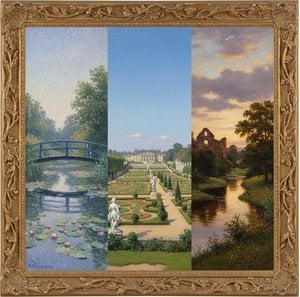
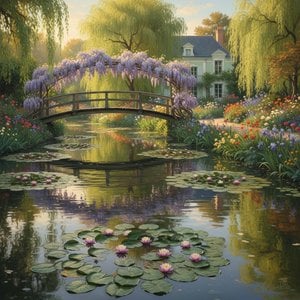
John Singer Sargent's "Gardens at Florence," painted in 1910, offers a captivating glimpse into the artist’s profound understanding of light and atmosphere. This watercolor captures not merely a garden scene, but an evocation of tranquility – a carefully constructed illusion of peace within the bustling world of the early 20th century. The painting's subject is deceptively simple: a lush garden brimming with life, yet Sargent elevates it through masterful technique and a deeply considered composition. The delicate washes of color, characteristic of his watercolor style, create an ethereal quality, blurring the boundaries between observation and imagination. The artist’s ability to render the subtle shifts in light filtering through foliage is particularly striking, lending a luminous warmth to the scene.
Technique and Style: A Masterclass in Watercolor
Sargent was renowned for his exceptional command of watercolor, a medium he embraced with passionate intensity. “Gardens at Florence” exemplifies this mastery. Notice the loose, expressive brushstrokes that define the foliage – not meticulously detailed, but rather conveying a sense of movement and vibrancy. The artist employs wet-on-wet techniques extensively, allowing colors to bleed and blend naturally, creating soft edges and atmospheric perspective. This approach is crucial in establishing depth; the distant trees recede into a hazy blue, while the foreground flowers are rendered with greater clarity and detail. The use of pinks and yellows – prominent throughout the composition – isn’t merely decorative; it's strategically employed to enhance the sense of warmth and serenity, echoing the romantic ideals prevalent in Sargent’s work.
Historical Context: Florence and the Gilded Age
Painted in 1910, “Gardens at Florence” reflects a pivotal moment in Sargent’s career. Having spent his formative years in Italy – born in Florence to American expatriate parents – he possessed an intimate understanding of Italian artistic traditions. This knowledge is subtly woven into the painting's aesthetic, reminiscent of the idyllic landscapes favored by artists like Claude Lorrain and Nicolas Poussin. The work also aligns with the broader trends of the Gilded Age, a period characterized by opulent wealth and a fascination with beauty and leisure. Sargent’s portraits of wealthy patrons were often set within luxurious interiors or gardens, reflecting this societal obsession. The painting can be seen as an escape from the pressures of urban life, mirroring the desire for tranquility and refinement that defined the era.
Symbolism and Emotional Impact
Beyond its technical brilliance, “Gardens at Florence” resonates with a profound sense of peace and contemplation. The carefully arranged flowers – pinks and yellows dominating the palette – symbolize beauty, innocence, and perhaps even fleeting joy. The garden itself represents an idealized space, a refuge from the complexities of the world. Sargent’s ability to capture this emotional atmosphere is what elevates this work beyond a simple landscape painting; it's a testament to his artistic sensitivity and his profound understanding of human emotion. This piece evokes feelings of calm, nostalgia, and appreciation for the beauty of nature – qualities that continue to resonate with viewers today.



 معاينة الحجم الحقيقي
 اشترِ لوحة مرسومة يدويًا
 مشاركة
 مشاركة
 التفاصيل

 تحميل الملف
 قطع مشابهة
 الأشعة السينية
 عرض شرائح
 الإحصائيات

 عرض المزيد






































 خيار الزجاج متاح فقط للمقاسات التي تقل عن 110 سم