طباعة جيكلي أو كانفاس بجودة المتاحف، مع سرعة في التنفيذ وخيارات متنوعة للتشطيب. ( شراء لوحة مرسومة يدويًا الانتقال إلى الصورة الرقمية)





























اختر من بين أحجامنا المُعدّة مسبقاً والتي تتوافق مع النسب الأصلية للعمل الفني.

أدخل العرض والارتفاع المطلوبين ليتناسب المقاس مع إطارك أو جدارك. يرجى الملاحظة أن المطبوعة يمكن قصها فقط ولا يمكن تكبيرها لتتجاوز أبعاد الصورة الأصلية، لذا فإن اختيار مقاس بأبعاد مختلفة سيؤدي إلى فقدان جزء من الصورة. سنرسل لك نموذجاً رقمياً تجريبياً لاعتماده قبل البدء في عملية الطباعة. الصورة المعروضة في هذه الصفحة لا توضح شكل القص الفعلي — النموذج التجريبي فقط هو ما يظهر ذلك بدقة.
توصيل عالمي إلى خلال أسبوعين بدلاً من المدة القياسية البالغة 4/5 أسابيع. (16 نوفمبر)
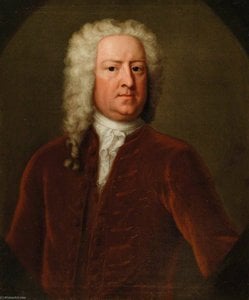
William Pitt
مقاس النسخة المطبوعة
The gaze of William Pitt meets the viewer through this oil on canvas, a work emerging from the studio of John Hoppner. The portrait captures the statesman in a moment of heavy stillness, rendered with a sense of gravity that lingers on the surface. It is a work from circa 1805 or after, a period when the subject's presence in British politics was deeply felt. The scale of the image, measuring 55 1/2 in. x 42 1/2 in. (1410 mm x 1080 mm), gives the figure a physical weight that commands the space around it.
John Hoppner’s studio provides the hand behind this depiction, translating the likeness of the man into a study of light and shadow. The paint sits upon the canvas, building a presence that feels immediate and substantial. Every brushstroke contributes to the quiet intensity of the sitter, holding him in a permanent state of contemplation. The work exists as a direct encounter with a man who shaped the direction of a nation, frozen here in the medium of oil.
The subject emerges from a dark, indistinct background, positioned in a bust-length portrait that feels immediate and heavy with presence. He sits slightly off-center, his gaze directed toward the viewer's left, creating a sense of quiet, internal movement. Light descends from the upper left, carving out the contours of his face and neck with a soft, directional glow. This interplay of light and shadow grants the figure a palpable three-dimensional volume, pulling him forward from the atmospheric gloom behind him.
The color palette remains somber and grounded, relying on a restrained selection of earthy, muted tones. Browns, ochre, and cream dominate the scene, while subtle flesh tones define the skin. There is a tactile quality to the surface, where the texture of the canvas peeks through the layers of paint. The brushwork appears smooth and blended, particularly in the soft transitions of the background and the heavy folds of the clothing, yet it maintains enough definition to trace the sharp structure of the facial features and the weight of the coat.
The origins of this portrait trace back to a private commission by Lord Mulgrave, who sought to capture the likeness of the statesman. The artist began the work in December 1804, and the final brushstrokes were applied on the 28th of October, 1805. This specific version, identified as NPG L267, exists as a studio copy of the original portrait. While the primary work was intended for the Mulgrave family, the demand for the image grew rapidly among the subject's supporters, leading to many bespoke copies being produced by the artist's studio.
The movement of this painting through various collections reflects its enduring presence in British history. It currently resides within the collection of the Tate, though it is frequently seen on loan to the National Portrait Gallery in London. This arrangement allows the work to remain accessible to those tracing the political landscape of the era. The provenance of the piece is deeply intertwined with the social circles of the time, as the portrait's popularity ensured that many versions circulated among the elite of the Regency period.
The portrait stirs a profound tension between those who see its technical brilliance and those who recoil from its unflinching honesty. To some observers, the work represents the artist's finest achievement, a peak of his creative ability. Yet, this praise is met with sharp, visceral condemnation from those who knew the man behind the statesman. One contemporary observer famously dismissed the image as a vile picture, finding the depiction far too harsh to be a true likeness.
The debate centers on the psychological weight carried in the subject's expression. Critics have argued that the face appears anxious and diseased, as if reddened by wine and soured by the heavy burden of disappointment. There is a sense that the portrait captures a man at his breaking point, a version of the statesman that many found difficult to accept. This perceived severity led some to suggest that the likeness was almost too unflattering, questioning if such a grim portrayal should ever have been intended for a man of his standing.
While some find the work's power in its ability to strip away the veneer of political dignity, others see it as a departure from the idealized grace expected in high-society portraiture. The tension remains: is this a profound study of a man weathered by his duties, or a failure to capture the youthful spirit of a leader? The brushstrokes hold both the weight of a statesman's exhaustion and the controversy of a likeness that refuses to look away from the toll of power.
The portrait resides within the National Portrait Gallery in London, United Kingdom. Visitors find the subject waiting for them on the third floor, specifically positioned in Room 18. It exists as a vital part of the National Portrait Gallery collection, though its presence in the gallery is a temporary arrangement. The work is currently on loan from the Tate Gallery, which maintains its primary stewardship.
Walking through the halls of the museum, one encounters this depiction of the statesman in a space dedicated to the faces that shaped a nation. The lighting in the gallery room catches the subtle textures of the oil on canvas, allowing the viewer to observe the heavy shadows and the serious expression of the sitter. It remains a central fixture for those tracing the political history of the United Kingdom through its visual records.
The artist's hand moves through other lives and faces, capturing the essence of the Georgian era with a similar command of light. In one notable work, he presents Mrs. Jordan as Viola in 'Twelfth Night', a piece that highlights his celebrated ability to render women and children. This portrait reveals a specific skill that defined his career, much like the way he handles the textures and shadows in his other commissions. He moves between the heavy gravity of statesmen and the softer, more spirited depictions of his female sitters, always maintaining a sense of physical presence.
His reach extends into the highest circles of British society, where he finds himself painting the very figures who shape the nation. He captures the likeness of the Prince of Wales, a man whose patronage helped secure Hoppner's position among the elite. This ability to navigate the social landscape is evident in his portraits of influential men like Lord Hugh Seymour. Each sitter emerges from the dim, atmospheric backgrounds with a distinct vitality, whether they are members of the royal court or prominent figures of the military and aristocracy.
The artist's brush also finds its way to the faces of those who leave their own marks on history, such as in his portrait of Thomas Williams. Through these various subjects, a pattern of character emerges. He uses chiaroscuro to sculpt forms, pulling his subjects forward from the shadows to create a sense of depth. Whether he is working on a formal bust-length portrait or a more expansive composition, his touch remains loose and free, avoiding a rigid or overly precious finish in favor of a living, breathing likeness.
تتناسب نسخة من "William Pitt" بشكل رائع مع Office.
تضفي لوحة "William Pitt" للفنان جون هوبنر أجواءً من Classic، ويُنصح بتعليقها في Office. والمقصود بالحالة المزاجية هو ما يضفيه العمل الفني على المساحة المحيطة به.
للحصول على نسخة مطبوعة من "William Pitt" للفنان جون هوبنر، ما عليك سوى طلبها عبر صفحة مطبوعة فنية فاخرة الخاصة بها: مطبوعة فنية فاخرة على قماش قطني أو ورق كانفاس أرشيفي.

وُلد جون هوبنر في منطقة وايت تشابل بلندن عام 1758 لأبوين ألمانيين، وقد لعبت جذوره العائلية دوراً محورياً في تشكيل مساره الفني؛ حيث شغلت والدته منصباً كإحدى المساعدات الألمانيات في القصر الملكي، وهو ما جعل العائلة في حالة قرب دائم من الأوساط البلاطية منذ البداية. هذا المحيط المترف صاغ ملامح مستقبله، رغم أن مساره الأول لم يكن نحو الفنون البصرية، بل نحو الموسيقى؛ ففي طفولته المبكرة، عمل منشداً في المصلى الملكي، وهي مهمة تطلبت منه انضباطاً عالياً، لكنها لم تستطع مقاومة الشغف الفطري الذي كان يدفعه نحو عالم الرسم.
بدأت رحلته الرسمية في عالم الفن عام 1775 حين التحق بالأكاديمية الملكية، وسرعان ما أثبت كفاءته التقنية من خلال الاعتراف المؤسسي بموهبته. ففي عام 1778، نال الميدالية الفضية للرسم الحي، مما شكل تأكيداً عملياً على مهاراته الاستثنائية في الملاحظة والدقة. ولم يتأخر تألقه، فبحلول عام 1782، توج مسيرته بالحصول على الميدالية الذهبية للأكاديمية في مجال الرسم التاريخي، وهو إنجاز استحقّه ببراعة من خلال عمله الملحمي على مسرحية "الملك لير". هذا النجاح المبكر لم يكن مجرد فوز، بل كان إرساءً للقواعد التقنية المتينة التي مهدت الطريق لأسلوبه في رسم بورتريهات الطبقة الراقية، وهو المجال الذي سيصنع مجده ويحدد معالم مسيرته الفنية الخالدة.
استطاع جون هوبنر أن يحجز لنفسه مكانة مرموقة في الصفوف العليا للمجتمع البريطاني، وذلك من خلال براعته الفائقة في تجسيد ملامح الشخصيات الأكثر نفوذاً في عصره. ولم تكن قدرته على نيل ثقة الطبقات المخملية مجرد صدفة، بل تجلت في تلك التكليفات الرفيعة التي جعلت من بورتريهاته، مثل صور أمير ويلز، والدوق ودوقة يورك، ولورد رودني، ولورد نيلسون، قطعاً فنية تزين الأجنحة الرسمية في قصر سانت جيمس. ولم تكن هذه اللوحات مجرد عناصر للزينة، بل كانت بمثابة أوسمة مهنية تؤكد مكانته الفنية الرفيعة. ورغم أن أعماله في الرسم التاريخي قد حصدت له إشادات مبكرة، إلا أن النقاد والمختصين أجمعوا على أن تصويره للنساء والأطفال هو الذي شكل ذروة نجاحه وإبداعه الفني.
وتتجلى قدرته الاستثنائية على التقاط جوهر الشخصية بوضوح تام في لوحة السيدة جوردان في دور فيولا بمسرحية 'الليلة الثانية'، وهي تحفة فنية محفوظة حالياً لدى مؤسسة التراث الإنجليزي في لندن، المملكة المتحدة. تعكس هذه اللوحة المهارة الفريدة التي صاغت ملامح مسيرته المهنية. ولم يقتصر شغف جون هوبنر على حدود اللوحة فحسب، بل امتد ليشمل الثقافة الأدبية السائدة في ذلك الوقت؛ ففي عام 1803، أصدر مؤلفه سلسلة من بورتريهات السيدات، وبحلول عام 1805، قدم مجلداً من الترجمات للحكايات الشرقية في قالب شعري إنجليزي. إن هذه المساعلات الفنية والأدبية تكشف عن فنان لم يكن مجرد رسام، بل كان روحاً فنية تغلغلت في النسيج الفكري والاجتماعي لعصره.
تتجلى الهوية الفنية لـ جون هوبنر في قدرته الفائقة على تطويع اللون، حيث لا يمكن فصل براعته التقنية عن سيطرته المذهلة على لوحة الألوان. لقد عُرف كأحد أمهر الملونين في عصره، مستخدماً تحكماً احترافياً في الأصباغ لرسم ملامح شخوصه بدقة متناهية. ولم يكن أسلوبه يميل إلى التزمت أو المبالغة في التفاصيل الدقيقة التي قد تقتل حيوية اللوحة، بل اتسمت لمساته بالاتساع والحرية؛ هذا الانطلاق الفني هو ما سمح له بتجاوز حدود المحاكاة البسيطة، ليضفي على بورتريهاته حيوية خاصة ميزت أعماله عن التقاليد الأكاديمية الأكثر جموداً في ذلك العصر.
ويبرز ظل جوشوا رينولدز كعنصر مؤثر ومهيمن على منهجية جون هوبنر الفنية، فقد استلهم الكثير من أسلوب رينولدز، متبنياً طريقة في العمل تعكس حساسية هذا المعلم الكبير. ويتضح هذا التأثير جلياً في الطريقة التي تحمل بها لوحاته صدىً خافتاً من سحر رينولدز، لا سيما في معالجته للضوء وتلك الأجواء الانسيابية الناعمة التي تغلف الشخصيات المصورة. ومع ذلك، لم يكتفِ هوبنر بمجرد تقليد الأسلوب، بل قام بتطويع مبادئه الفنية لتلائم احتياجاته التعبيرية الخاصة ورؤيته المتفردة.
ومن الناحية التطبيقية، أثمر هذا المزيج عن أسلوب فني يوازن ببراعة بين الواقعية الطبيعية وبين لمسة من الأناقة الأرستقراطية الرفيعة. فقد استخدم تقنية "الكياروسكورو" (التضاد بين الضوء والظل) لنحت الأشكال وتجسيدها، حيث كان يستطيع سحب الشخصيات من خلفيات معتمة إلى مقدمة المشهد عبر التفاعل الدرامي بين الضوء والظلال. وقد كانت هذه التقنية فعالة للغاية في تصويره للملامس، مثل التفاصيل الدقيقة لخصلات الشعر أو الثنيات الثقيلة للأردية الأكاديمية، مما منح بورتريهاته حضوراً مادياً ملموساً لا يزال ينبض بالحياة أمام عين المشاهد المعاصر.
اتسمت الحياة المهنية لـ جون هوبنر بمنافسة شرسة مع توماس لورانس، ولم تكن هذه المنافسة مجرد صراع على السمعة الفنية فحسب، بل كانت صراعاً مباشراً للظفر باهتمام النخبة في لندن. وقد تجلى هذا التوتر بين الشخصيتين بشكل ملموس بين عامي 1803 و1809، عندما تشاركا في العمل مع المساعد نفسه، صمويل لين؛ وهو تداخل في الكوادر الفنية يسلط الضوء على ضيق هوامش سوق البورتريه في تلك الحقبة الزمنية.
امتدت شبكة علاقاته المهنية لتشمل تعاونات هامة تقاطعت مع أعلى مستويات الفن البريطاني؛ ففي عام 1788 تقريباً، ساهم في عمل فني لـ توماس غينزبرة، وتحديداً من خلال رسم الخلفية للوحة بورتريه شارلوت، كونتيسة تالبوت. كما عمل عن كثب مع النقاش تشارلز ويلكين لإنتاج سلسلته من الصور الشخصية. وتبرهن هذه الشراكات كيف اعتمد نتاجه الفني على منظومة منظمة من المتخصصين التقنيين للوصول إلى جمهور أوسع.
إن حضور جون هوبنر في المجموعات الفنية العالمية الكبرى يؤكد مدى الانتشار الواسع الذي حققه فنه وتجاوزه لحدود الجزر البريطانية. ففي الولايات المتحدة، يحتفظ متحف المتروبوليتان للفنون في نيويورك بعملين من أعماله، بينما يضم متحف تافت للفنون في سينسيناتي عملين آخرين. وتمنحنا هذه القطع الفنية إطلالة مباشرة على قدرته الفائقة في تطويع اللون والشكل ضمن سياق بورتريهات الطبقة الراقية التي ميزت عصره.
أما في المملكة المتحدة، فيتوزع إرثه الفني عبر عدة مؤسسات عريقة؛ حيث تحافظ مؤسسة التراث الإنجليزي في لندن على عمل فني بالغ الأهمية، وتحديداً لوحة السيدة جوردان في دور فيولا بمسرحية 'الليلة الثانية'، والتي تعد نموذجاً جلياً على براعته في فن البورتريه. كما يضم المتحف البحري الوطني في لندن إحدى لوحاته، مما يضمن بقاء تأثيره حاضراً في التاريخ البحري والاجتماعي البريطاني. وبالإضافة إلى ذلك، تحتفظ المكتبة الوطنية في ويلز بمدينة أبيريستويث بعمل من أعماله ضمن مجموعتها الفنية.

1758 - 1810 , المملكة المتحدة
 معاينة الحجم الواقعي

 مشاركة
 مشاركة
 التفاصيل
 دليل


 تحميل الملف
 قطع مشابهة
 الأشعة السينية
 عرض شرائح
 الأسئلة والأجوبة

 الإحصائيات


 عرض المزيد









 خيار الزجاج متاح فقط للمقاسات التي تقل عن 110 سم