معاينة الحجم الواقعي معاينة بالواقع المعزز اطلب نسخة مرسومة يدويًا التحويل إلى الصورة الرقمية إرسال
عرض التفاصيل دليل الأعمال الفنية للطلاب أضف إلى المفضلة تحميل قطع مشابهة الأشعة السينية عرض شرائح متتابع الإحصائيات

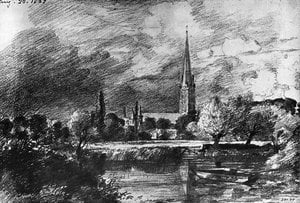
The Leaping Horse

Explore John Constable’s "The Leaping Horse" (1825), a Romantic landscape masterpiece showcasing loose brushwork & atmospheric depth. Discover this iconic British painting.

اكتشف جون كونستابل (1776-1837)، الرسام البريطاني الرومانسي الذي أحدث ثورة في فن المناظر الطبيعية بمشاهده المؤثرة لمقاطعة ستافوردشاير والطبيعة. استكشف أعماله الشهيرة الآن!

طباعة جيلي / مطبوعات فنية

طباعة جيكلي أو كانفاس بجودة المتاحف، مع سرعة في التنفيذ وخيارات متنوعة للتشطيب. ( اطلب نسخة مرسومة يدويًا التحويل إلى الصورة الرقمية)

Corner sample of the P118B picture frame: بوليسترين مُشكّل, 5 cm wide and 3 cm thick
P118B E£10
Corner sample of the P118H picture frame: بوليسترين مُشكّل, 5 cm wide and 3 cm thick
P118H E£10
Corner sample of the P118W picture frame: بوليسترين مُشكّل, 5 cm wide and 3 cm thick
P118W E£10
Corner sample of the P438Z picture frame: بوليسترين مُشكّل, 5.5 cm wide and 3.5 cm thick
P438Z E£10
Corner sample of the P508JH picture frame: بوليسترين مُشكّل, 7 cm wide and 3.5 cm thick
P508JH E£12
Corner sample of the P508YH picture frame: بوليسترين مُشكّل, 7 cm wide and 3.5 cm thick
P508YH E£12
Corner sample of the P805H picture frame: بوليسترين مُشكّل, 5 cm wide and 3.5 cm thick
P805H E£10
Corner sample of the P805Z picture frame: بوليسترين مُشكّل, 5 cm wide and 3.5 cm thick
P805Z E£10
Corner sample of the P919BZ picture frame: بوليسترين مُشكّل, 7 cm wide and 3.5 cm thick
P919BZ E£10
Corner sample of the P919G picture frame: بوليسترين مُشكّل, 7 cm wide and 3.5 cm thick
P919G E£10
Corner sample of the P919XJ picture frame: بوليسترين مُشكّل, 7 cm wide and 3.5 cm thick
P919XJ E£10
Corner sample of the P959ZH picture frame: بوليسترين مُشكّل, 5 cm wide and 3 cm thick
P959ZH E£10
Corner sample of the P968JZ picture frame: بوليسترين مُشكّل, 6 cm wide and 4 cm thick
P968JZ E£12
Corner sample of the W106C picture frame: خشب طبيعي صلب, 5 cm wide and 3 cm thick
W106C E£8
Corner sample of the W218G picture frame: خشب طبيعي صلب, 5 cm wide and 3 cm thick
W218G E£10
Corner sample of the W218JH picture frame: خشب طبيعي صلب, 5 cm wide and 3 cm thick
W218JH E£8
Corner sample of the W218Y picture frame: خشب طبيعي صلب, 5 cm wide and 3 cm thick
W218Y E£10
Corner sample of the W307PJ picture frame: خشب طبيعي صلب, 6 cm wide and 3 cm thick
W307PJ E£10
Corner sample of the W316G picture frame: خشب طبيعي صلب, 6 cm wide and 3 cm thick
W316G E£10
Corner sample of the W316PJ picture frame: خشب طبيعي صلب, 6 cm wide and 3 cm thick
W316PJ E£8
Corner sample of the W316Y picture frame: خشب طبيعي صلب, 6 cm wide and 3 cm thick
W316Y E£10
Corner sample of the W398PJ picture frame: خشب طبيعي صلب, 5 cm wide and 3 cm thick
W398PJ E£8
Corner sample of the W4111J picture frame: خشب طبيعي صلب, 6.5 cm wide and 3.5 cm thick
W4111J E£10
Corner sample of the W500HY picture frame: خشب طبيعي صلب, 7 cm wide and 5 cm thick
W500HY E£15
Corner sample of the W500JH picture frame: خشب طبيعي صلب, 7 cm wide and 5 cm thick
W500JH E£15
Corner sample of the W692G picture frame: خشب طبيعي صلب, 8 cm wide and 4 cm thick
W692G E£12
Corner sample of the W849H picture frame: خشب طبيعي صلب, 5 cm wide and 3 cm thick
W849H E£8
Corner sample of the W940BG picture frame: خشب طبيعي صلب, 7.5 cm wide and 4.5 cm thick
W940BG E£15
Corner sample of the W953PJ picture frame: خشب طبيعي صلب, 6 cm wide and 3.5 cm thick
W953PJ E£8

مقاس قياسي
مخصص
CM
INCH

اختر من بين أحجامنا المُعدّة مسبقاً والتي تتوافق مع النسب الأصلية للعمل الفني.

العرض
الارتفاع

أدخل العرض والارتفاع اللذين تحتاجهما، ليتناسب مع إطارك أو جدارك. يمكن قص المطبوعة فقط، ولا يمكن أبداً جعلها أكبر من الصورة الأصلية، لذا فإن أي مقاس بشكل مختلف سيؤدي إلى فقدان جزء من الصورة. سنرسل لك نموذجاً رقمياً تجريبياً لاعتماده قبل البدء في عملية الطباعة. الصورة المعروضة في هذه الصفحة لا توضح القص الفعلي — النموذج التجريبي فقط هو ما يظهر ذلك.

توصيل عالمي إلى خلال أسبوعين بدلاً من المدة القياسية البالغة 4/5 أسابيع. (17 أكتوبر)

شحن سريع ومجاني لجميع أنحاء العالم
قماش كتان فاخر
تأمين شامل على الشحن
ضمان استرداد الرسوم الجمركية
ضمان دقة مطابقة الألوان
سياسة الإرجاع خلال 100 يوم (في حالات العيوب فقط)
ضمان استرداد نقدي بنسبة 100%
عرض خصم الكميات

إجمالي السعر

E£ 3545

The Leaping Horse

طباعة جيلي / مطبوعات فنية

مقاس النسخة المطبوعة

-

إجمالي السعر

E£ 3545

A Moment of Rural Drama: John Constable’s “The Leaping Horse”

John Constable's "The Leaping Horse," painted in 1825, isn’t merely a depiction of a riverside scene; it’s a vibrant distillation of the English countryside and a profound exploration of light, movement, and human interaction with nature. This iconic work, now residing within the Royal Academy’s collection, captures a fleeting moment along the River Stour in Suffolk – a region deeply ingrained in Constable's artistic sensibility and personal history. The painting immediately draws the eye to a dynamic focal point: a tow horse, powerfully straining against its rope, leaping gracefully over a rustic cattle barrier. This isn’t a static landscape; it’s imbued with an undeniable sense of energy and life.

Constable's approach aligns perfectly with the tenets of Romanticism, a movement that prioritized emotional experience and subjective perception over strict adherence to academic realism. He eschews precise detail in favor of capturing the *feeling* of the scene – the cool breeze, the dappled sunlight filtering through the clouds, the palpable sense of rural activity. The loose, expressive brushwork—a hallmark of Constable’s style—creates a remarkable texture, inviting the viewer to almost feel the roughness of the wood and the movement of the horse's muscles. The artist masterfully employs impasto techniques, layering thick strokes of oil paint to build up form and create a tactile surface that practically vibrates with life.

Light, Atmosphere, and the Suffolk Landscape

The painting’s muted color palette—dominated by shades of grey, blue, and ochre—contributes significantly to its evocative atmosphere. Constable skillfully utilizes atmospheric perspective, subtly lightening and desaturating objects in the distance to create a convincing sense of depth. The overcast sky casts a diffused light, softening shadows and lending an air of melancholy to the scene, yet simultaneously highlighting the vibrant greens of the surrounding foliage. This masterful manipulation of light isn’t simply decorative; it's integral to conveying the painting’s emotional core – a blend of tranquility and a subtle awareness of the passage of time.

The choice of subject matter is deeply rooted in Constable’s own life. Born in East Bergholt, Suffolk, he spent his childhood immersed in the rhythms of rural agricultural life along the River Stour. This intimate connection to the land profoundly shaped his artistic vision, informing his meticulous observation of nature and his ability to translate its beauty onto canvas. The inclusion of details like the half-furled sail on the barge, the eel trap beneath the bridge, and even the distant silhouette of Dedham Church—a landmark familiar to Constable—ground the scene in a specific place and time, anchoring it within the artist’s personal experience.

Symbolism and Emotional Resonance

Beyond its picturesque beauty, “The Leaping Horse” carries symbolic weight. The horse's leap represents not just physical exertion but also a dynamic interaction between man and nature. It speaks to the traditional role of horses in rural life – as beasts of burden, essential for transportation and agriculture. The cattle barrier itself symbolizes boundaries and constraints, while the horse’s freedom embodies a desire for movement and escape. The inclusion of figures engaged in various activities—a barge crew, children playing—further emphasizes the theme of human connection to the land.

Ultimately, “The Leaping Horse” is more than just a landscape painting; it's a poignant meditation on the beauty, vitality, and inherent melancholy of rural England. Constable’s masterful technique, combined with his deep understanding of light, atmosphere, and human experience, creates an artwork that continues to resonate with viewers today. A hand-painted reproduction captures not only the visual splendor of this iconic piece but also the emotional depth and artistic genius of its creator.

Technical Details & Reproduction Quality

Executed in oil on canvas, “The Leaping Horse” measures 142 x 187 cm. Constable’s signature loose brushwork is meticulously recreated in our hand-painted reproductions, ensuring that every nuance of the original painting is faithfully preserved. We utilize only the finest pigments and archival materials to guarantee lasting color vibrancy and durability. Our skilled artisans painstakingly replicate Constable's impasto techniques, building up layers of paint to achieve a remarkably tactile surface – mirroring the texture of the original.

Choosing a WahooArt reproduction allows you to bring this masterpiece into your home or office with confidence. Our meticulous attention to detail and commitment to quality ensures that you receive an artwork that not only captures the beauty of Constable’s vision but also stands as a testament to his enduring legacy. Explore our high-resolution images and select the perfect size to complement your space – from intimate prints to grand statement pieces.

الأسئلة والأجوبة

إلى أي حركة فنية ينتمي العمل "The Leaping Horse" للفنان جون كونستابل؟

"‏The Leaping Horse‏" هو عمل ينتمي إلى مدرسة Romanticism‎. وتُشير هذه المدرسة إلى التقليد الفني الذي يندرج ضمنه هذا العمل.

ما هو تاريخ إبداع "The Leaping Horse" للفنان جون كونستابل؟

أُبدع العمل الفني "The Leaping Horse" للفنان جون كونستابل في عام 1825.

هل تُحفظ "The Leaping Horse" للفنان جون كونستابل في الموطن الأصلي للفنان؟

نعم - العمل الفني محفوظ في البلد الأم للفنان. بلد ميلاد جون كونستابل هو المملكة المتحدة، بينما يقع المتحف الذي يحتفظ بالنسخة الأصلية من "The Leaping Horse" في المملكة المتحدة.


نبذة عن الفنان

جون كونستابل: شاعر المناظر الطبيعية الإنجليزية

ولد جون كونستابل في عام 1776 بقرية إيست بيرغهولت الهادئة في ستافوردشاير، لم يكن مجرد رسام للمناظر الطبيعية؛ بل كان شاعراً للأرض، يترجم تقلبات مزاجها وجمالها الدائم إلى القماش بعمق عاطفي غير مسبوق. قدمت له والده، وهو تاجر ذرة ناجح يمتلك وديان ديدهم ومطاحن على طول نهر ستور، ليس فقط الاستقرار المالي ولكن أيضاً الموضوع الذي سيحدد حياة كونستابل الفنية. هذا الانغماس المبكر في العالم الريفي – إيقاع الحياة الزراعية البطيء، والضوء المتغير باستمرار على الحقول والمياه، والتفاصيل الحميمة للطبيعة – أصبح منقوشاً بعمق في وعيه. بينما كان مقدراً في الأصل لمتابعة والده في الأعمال التجارية، فإن شغفاً متنامياً بالفن، غذّاه رعاة محليون مثل جورج بيمونت الذي عرّفه بأعمال كلود لورين، قاده في النهاية إلى طريق مختلف. لم تكن رحلة كونستابل الفنية فورية؛ بل كانت تتكشف تدريجياً، وتتشكل من خلال الملاحظة الدقيقة والرغبة المستمرة في التقاط ليس فقط *ما* يراه، ولكن *كيف* يشعر بالوجود داخل المناظر الطبيعية.

كسر القواعد: رؤية جديدة للطبيعة

تميز التطور الفني لكونستابل برفض متعمد للاتفاقيات الأكاديمية السائدة. غير راضٍ عن المناظر الطبيعية المثالية وغالباً ما تكون مسرحية التي فضلها الأكاديمية الملكية، سعى بدلاً من ذلك إلى تمثيل صادق للطبيعة، مشبعاً بالشعور الشخصي. لم يكن مهتماً بالسرديات التاريخية الكبرى أو المشاهد الأسطورية؛ بل ظل تركيزه ثابتاً على الريف المألوف المحيط به. كان هذا الالتزام بتصوير الموضوعات العادية – عربات الحطب، والمباني الزراعية، والحياة القروية – يلتقي في البداية بمقاومة من النقاد الذين اعتبروا عمله مبتذلاً ويفتقر إلى الطموح. ومع ذلك، أصر كونستابل، مدفوعاً بإيمان بأن الجمال يكمن في الحياة اليومية. لقد رائد تقنية الرسم في الهواء الطلق (*plein air*)، متجهاً إلى الخارج لمراقبة التقاط تأثيرات الضوء والطقس العابرة مباشرة. سمح له هذا التفاعل المباشر مع الطبيعة بحقن لوحاته بجدية وحيوية غير مرئية سابقاً في فن المناظر الطبيعية البريطانية. أصبحت ضرباته بالفرشاة أكثر انفتاحاً وتعبيرية، باستخدام *impasto* – طبقات سميكة من الطلاء – لخلق نسيج ونقل إحساس بالحركة والجو. لم يكن ببساطة يسجل ما يراه؛ بل كان يترجم استجابته العاطفية للأرض إلى شكل مرئي.

أعمال أيقونية وأثر دائم

تعتبر أعمال كونستابل الأكثر شهرة شهادة على رؤيته الفريدة. الحصاد (1821)، ربما لوحته الأكثر شهرة، تصور مشهداً ريفياً نموذجياً على نهر ستور، يلتقط الهدوء والانسجام للحياة الزراعية. قلعة هادلي (1829) تعرض استخدامه الدرامي للضوء والتأثيرات الجوية، وتحول بقايا أثرية إلى رمز قوي لمرور الوقت. سلسلة اللوحات التي تصور كاتدرائية سالزبوري من المروج (1831) تُظهر قدرته على إثارة مشاعر مختلفة وأوقات مختلفة من اليوم، وكشف الكاتدرائية كجزء لا يتجزأ من المناظر الطبيعية الطبيعية. دير نيتلي (1824)، مع تصويره المؤثر للبهجة المعمارية وسط جمال البرية المتزايد، يجسد مهارته في المزج بين الخلق البشري وجمال الطبيعة الجامح. على الرغم من مواجهته صعوبات أولية في الحصول على الاعتراف في إنجلترا، حقق كونستابل نجاحاً كبيراً في فرنسا، حيث صدى تقنياته المبتكرة وعمقه العاطفي بعمق لدى الفنانين الذين يبحثون عن نهج أكثر طبيعية إلى فن المناظر الطبيعية. لقد أثر بشكل كبير على مدرسة باربيزون، وهي مجموعة من الرسامين الفرنسيين الذين شاركوا التزامه بالمراقبة المباشرة للطبيعة في الهواء الطلق.

إرث من الرنين العاطفي

تكمن الأهمية التاريخية لكونستابل ليس فقط في ابتكاراته الفنية ولكن أيضاً في تأثيره العميق على تطوير فن المناظر الطبيعية. لقد تحدى القواعد الأكاديمية، ورفع مكانة الموضوعات العادية، ومهد الطريق لمقاربة أكثر شخصية وتعبيرية عاطفياً للفن. إن تركيزه على الملاحظة المباشرة والتأثيرات الجوية والتمثيل الصادق للطبيعة سبقت العديد من المخاوف لدى فنانو الانطباعيين اللاحقين. لقد أظهر أن المناظر الطبيعية يمكن أن تكون وسيلة للتعبير العاطفي العميق، قادرة على إثارة مشاعر الحنين والهدوء والرهبة. على الرغم من مواجهته صعوبات مالية طوال حياته المهنية، وتوفي في سن مبكرة نسبياً عام 1837، إلا أن إرثه باقٍ. اليوم، يحتفل بكونستابل كواحد من أعظم الفنانين البريطانيين، حيث لا تزال لوحاته تأسر الجماهير بجمالها وإخلاصها وقوتها الدائمة. عمله بمثابة تذكير مؤثر بالارتباط العميق بين البشرية والعالم الطبيعي، وإمكانية الفن التحويلية لالتقاط جوهره.

الحياة الشخصية والسنين الأخيرة

تميزت الحياة الشخصية لكونستابل بكل من الفرح والحزن. تزوج من ماريا بيكنيل في عام 1816، وكان لديهما سبعة أطفال، على الرغم من أن العديد منهم لم يعيشوا طويلاً. قدمت له زواجه دعماً عاطفياً ولكنه تسبب أيضاً في ضائقة مالية. بعد انتخابه زميلاً في الأكاديمية الملكية للفنون في عام 1829، واصل مواجهة انتقادات من بعض الجهات، لا سيما فيما يتعلق بتقنياته غير التقليدية. ظلت سنواته الأخيرة مظللة بتدهور صحة زوجته ووفاتها النهائية في عام 1828، وهو حدث أثر فيه بعمق. على الرغم من هذه المصاعب، ظل كونستابل مكرساً لفنه، واستمر في الرسم حتى وفاته في 31 مارس 1837. خلف إرثاً فنياً غنياً – شهادة على التزامه الذي لا يتزعزع بالتقاط جمال وتناغم المشاعر للعالم الريفي الإنجليزي. تظل لوحاته استحضارات مؤثرة لعصر مضى، تدعو المشاهدين لتجربة المناظر الطبيعية من خلال عينيه الحساسة بشكل فريد.
جون كونستابل

جون كونستابل

1776 - 1837 , المملكة المتحدة

لمحة سريعة

  • أعمال فنية بارزة:
    • The Hay Wain
    • Hadleigh Castle
    • Salisbury Cathedral
    • Netley Abbey
  • الاسم الكامل: جون كونستابل
  • الجنسية: بريطاني
  • الحركة الفنية: الرومانسية
  • تاريخ الميلاد: 11 يونيو 1776
  • حركات فنية متأثرة: ['مدرسة باربيزون']
  • فنانون مؤثرون:
    • كلود لورين
    • ياكوب رويسدايل
  • مكان الميلاد: إيست بيرغهولت، المملكة المتحدة
استكشف الأعمال الفنية المصنفة حسب الموضوعات والأنماط والخصائص.