Oil On CanvasWallArtRomantic Landscape Painting
 1811
1811 24.0 x 29.0 cm
لوحة زيتية مرسومة يدوياً على الكانفاس بالمقاس والإطار الذي تفضله، تُنفذ حسب الطلب على أيدي فنانينا. ( اشترِ نسخة مطبوعة اشترِ الصورة)





























اختر من بين أحجامنا المُعدّة مسبقًا والتي تتطابق مع النسب الأصلية للعمل الفني.

يمكنك إدخال أبعادك الخاصة لتناسب إطارًا معينًا أو مساحة محددة. وإذا لم يتطابق الحجم الذي اخترته مع نسب الصورة الأصلية، فسنقوم إما بقص العمل الفني أو توسيع اللوحة بإضافة عناصر مرسومة يدويًا. سيتم إرسال نموذج رقمي إليك للموافقة عليه قبل بدء الإنتاج.
يرجى ملاحظة أن المعاينة على الشاشة لا تعكس عملية القص أو التوسيع الفعلية؛ حيث إن النموذج الرقمي وحده هو الذي سيوضح التكوين النهائي بدقة.
وعلى الرغم من توفر أحجام مخصصة، إلا أننا نوصي باختيار أبعاد من القائمة المحددة مسبقًا للحفاظ على النسب الأصلية للعمل الفني.
توصيل عالمي إلى خلال 3 إلى 4 أسابيع بدلاً من المدة المعتادة البالغة 5 أسابيع. (6 سبتمبر). جودة لا تهاون فيها.


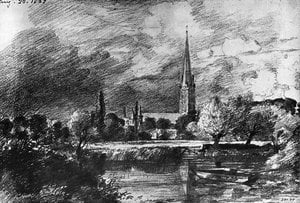
Flatford Mill from a Lock on the Stour
مقاس النسخة المطبوعة
John Constable’s “Flatford Mill from a Lock on the Stour,” painted in 1811, is more than just a picturesque depiction of rural England; it's a profound meditation on light, landscape, and the very essence of human experience. This intimate scene, measuring 24 x 29 cm, captures a fleeting moment along the River Stour near Flatford Mill, a location that would become synonymous with Constable’s artistic vision. The painting immediately draws the viewer into a world of tranquil beauty – a small village nestled beside the water's edge, punctuated by the gentle flow of the river and the subtle play of light on its surface. It is a scene brimming with quiet industry and timeless serenity.
Painted during the height of the Romantic movement, “Flatford Mill” embodies the core tenets of this artistic sensibility. Unlike the rigid formality of Neoclassical art, Constable sought to capture the raw emotion and subjective experience of nature. His approach was deeply rooted in observation – he spent countless hours sketching and studying the landscape around Dedham Vale, meticulously recording the nuances of light and shadow. This dedication is evident in the painting’s masterful use of color and brushwork, creating a shimmering effect on the water that seems to ripple with life. Constable's work wasn't simply about representing what he saw; it was about conveying how he *felt* about what he saw – a deep connection to the land and its rhythms.
Constable’s technique is characterized by loose, expressive brushstrokes, particularly noticeable in the depiction of the water. He employed a ‘broken colour’ method, applying small dabs of paint side-by-side rather than blending them, to create a vibrant, luminous effect. The composition itself is carefully balanced, drawing the eye from the foreground figures – likely members of the local community engaged in daily tasks – towards the distant mill and the hazy backdrop of trees. The strategic placement of these elements creates a sense of depth and perspective, further enhancing the painting’s immersive quality. The use of atmospheric perspective—the subtle blurring of details in the distance—is particularly effective in conveying the vastness of the landscape.
“Flatford Mill” holds significant historical context within Constable's life and career. The painting was inspired by a real incident – a storm that briefly obscured the mill, prompting Constable to quickly capture the scene before the light changed. This event underscored his commitment to immediate observation and the fleeting nature of beauty. Beyond its immediate subject matter, the painting reflects the growing interest in rural life during the early 19th century, a period marked by industrialization and urbanization. The depiction of a traditional mill represents a connection to England’s agricultural heritage – a heritage that Constable sought to preserve through his art. It's a poignant reminder of a simpler time, imbued with a sense of nostalgia and reverence for the natural world.


1776 - 1837 , المملكة المتحدة

Explore the profound legacy of John Constable. Discover how his mastery of light, atmosphere, and the English landscape redefined Romanticism through timeless, museum-quality oil reproductions for discerning collectors.

Explore the profound emotional power of Romantic landscape art. Discover how masters like Friedrich captured the sublime through breathtaking nature, and learn to curate these evocative masterpieces for your luxury interior collection.

 معاينة الحجم الحقيقي
 مشاركة
 مشاركة
 التفاصيل

 تحميل الملف
 قطع مشابهة
 الأشعة السينية
 عرض شرائح
 عرض المزيد







 خيار الزجاج متاح فقط للمقاسات التي تقل عن 110 سم