معاينة الحجم الحقيقي معاينة بالواقع المعزز التحويل إلى المطبوعات اشترِ لوحة مرسومة يدويًا مشاركة
التفاصيل أضف إلى المفضلة تحميل الملف قطع مشابهة الأشعة السينية عرض شرائح الإحصائيات

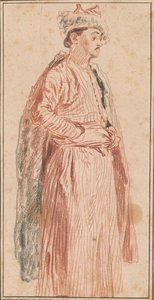
تصميم لنصب جنائزي

تصميم لنصب جنائزي، عمل فني كلاسيكي من إبداعات يوهان إكزتين، رسام ألماني بارع، يتميز بتفاصيل دقيقة وتعبير عميق، ويُعرض في مركز بريتيش آرت يالي بالي هيفن، الولايات المتحدة الأمريكية.

Explore the neoclassical sculptures & engravings of Johann Eckstein (1735-1818), a German artist known for portraits, busts, & his work in London & America.

احصل على صورة رقمية عالية الدقة ومعزّنة، بجودة تفوق بكثير المعاينة عبر الإنترنت.

يتم إعداد كل ملف بعناية فائقة من قبل متخصصينا الداخليين باستخدام أدوات متقدمة ولمسات يدوية خبيرة. نضمن أن تتمتع كل صورة بوضوح استثنائي، ودقة لونية متناهية، وتفاصيل دقيقة.

يتم تسليم الملف النهائي عبر البريد الإلكتروني في غضون 72 ساعة، وهو مُحسَّن للاستخدام الفوري في المجالات المهنية والتحريرية ومجالات الطباعة. هذه هي ذات الجودة التي تعتمد عليها كبرى استوديوهات التصميم ودور النشر والمعارض الفنية المرموقة.

صورة رقمية

حمّل ملفاً عالي الدقة للعرض الشخصي، والطباعة، والمشاريع الإبداعية. ( التحويل إلى المطبوعات اشترِ لوحة مرسومة يدويًا)

إجمالي السعر

$ 24,90

مزايا مُضمّنة في كل طلب صورة رقمية

تسليم رقمي احترافي، مضمون

عندما تختار WahooArt.com، فأنت لا تحصل على مجرد صورة فحسب، بل ستحصل على عمل فني رقمي مُحسّن باحترافية، صُمم بدقة متناهية ومصحوب بضمان الرضا. إليك كل ما يتضمنه طلبك تلقائياً:

shipping_icon
تسليم سريع عبر البريد الإلكتروني

ستصلك ملفات صورك الرقمية عالية الدقة عبر البريد الإلكتروني في غضون 72 ساعة من إتمام الطلب - لتكون جاهزة للاستخدام الفوري.

canvas_icon
ملف رقمي مُحسّن بالذكاء الاصطناعي

يتم تحسين عملك الفني باحترافية باستخدام أدوات الذكاء الاصطناعي المتقدمة والتحرير اليدوي، لضمان أقصى درجات التفاصيل والوضوح ودقة الألوان.

insurance_icon
إعادة إرسال مجانية مدى الحياة

هل حذفت ملفك أو فقدته عن طريق الخطأ؟ لا تقلق - سنعيد إرساله إليك في أي وقت، ومجاناً.

tax_icon
بدون رسوم استيراد - على الإطلاق

استمتع بأعمالك الفنية فوراً دون أي رسوم جمركية أو ضرائب أو مصاريف شحن - فالتحميلات الرقمية دائماً ما تكون معفاة من الضرائب.

color_icon
ضمان دقة الألوان

نحن نضمن أن تعكس صورتك الرقمية الألوان الأصلية بأقصى قدر ممكن من الدقة، وذلك باستخدام أدوات احترافية وتقنيات إدارة الألوان.

return_icon
ضمان الرضا لمدة 100 يوم

إذا لم تكن راضياً عن صورتك الرقمية، فسنقوم بتعديلها أو استرداد 100% من قيمتها خلال 100 يوم - دون طرح أي أسئلة.

guarantee_icon
ضمان استعادة الأموال بنسبة % 100

لم تكن راضياً؟ استرد كامل المبلغ خلال 100 يوم من استلام ملفك الرقمي - دون طرح أي أسئلة.

discount_icon
خصومات الطلبات الكبيرة

اشتري 3 صور، ووفر 10% - اشتري 5، ووفر 15% - اشتري +10، ووفر 20%. مثالية للمشاريع الإبداعية، والمعارض، والوكالات.

معلومات سريعة

  • Movement: Neoclassical
  • Artistic style: Realistic depiction
  • Notable elements or techniques: Detailed architectural plan; Graphite shading
  • Artist: Johann Eckstein
  • Subject or theme: Monumental design
  • Title: Design for Funerary Monument
  • Influences: Maurice Quentin de La Tour

اختبار الفنون

يوجد إجابة صحيحة واحدة فقط لكل سؤال.

سؤال 1:
What artistic movement is Johann Eckstein’s ‘Design for Funerary Monument’ primarily associated with?
سؤال 2:
The image depicts a man in a robe, what is the dominant artistic technique employed to convey emotion and detail?
سؤال 3:
Where was Johann Eckstein born?
سؤال 4:
What role did Maurice Quentin de La Tour play in shaping Eckstein’s artistic development?
سؤال 5:
What is the primary subject matter represented in this artwork?

تصميم لمقبرة يوهان إكزتين

يُعد التصميم لمقبرة يوهان إكزتين تحفة فنية تعكس أسلوب النيو كلاسيكية الألماني وتُظهر براعة الفنان في التقاط الجماليات البصرية والتعبيرية العميقة. هذا العمل الفني، الذي تم رسمه في أوائل القرن الثامن عشر، ليس مجرد تزيين للمكان المقدس بل هو بمثابة مرآة تعكس القيم والأفكار السائدة في ذلك العصر.

  • الموضوع: يمثل التصميم لمقبرة إكزتين استجابةً للتراث الأرثوذكسي المسيحي، حيث يُركز على التوازن والهدوء والتعبير عن الحكمة الروحية. يتميز بالدقة في التفاصيل وتجسيد القيم الأخلاقية والإنسانية الأساسية التي كانت تحكم حياة إكزتين وعمله الفني.
  • الأسلوب: يتبنى التصميم لمقبرة إكزتين أسلوب النيو كلاسيكية الذي استلهمت منه التشكيلات الفنية الإنجليزية والألمانية في تلك الفترة، مع التأكيد على الخطوط المستقيمة والأشكال الهندسية البسيطة والزخارف الأنيقة التي تعكس العودة إلى القيم الكلاسيكية القديمة.
  • التقنية: استخدم إكزتين تقنية الرسم بالرصاص والماء الرمادي والطباعة لتشكيل التصميم، مما أضفى عليه عمقًا وتأثيرًا بصريًا قويًا. كما تميز بالتفاصيل الدقيقة التي تعكس مهارة الفنان في التقاط الإضاءة والتظليل وإبراز الألوان بشكل طبيعي ودقيق، مما يجعله تحفة فنية حقيقية تستحق الدراسة والتقدير.
  • السياق التاريخي: ظهر التصميم لمقبرة إكزتين في فترة شهدت تحولًا كبيرًا في الفكر والفنون الأوروبية، حيث كانت هناك حركة نحو التجديد والتحديث وإعادة اكتشاف القيم الكلاسيكية القديمة التي كانت قد تضاءلت بسبب تأثير العصر الرومانسي. كان إكزتين من بين الفنانين الذين ساهموا في هذه الحركة وتجسيدها في أعمال فنية متميزة.
  • التأثير العاطفي: يُعد التصميم لمقبرة إكزتين عملاً يحمل رسالة هادئة ومؤثرة، حيث يهدف إلى تذكير الزائر بقيمة الحياة والجمال الروحي والتوازن بين العقلانية والإيمان. يتميز بالرقة والحساسية التي تعكس وعيًا بالفنون الكلاسيكية وتأثيرها على الفكر الإنساني، ويُعد مثالًا للرسم الذي يلامس القلب والعقل في آن واحد.

يمكن الاستعانة بنسخة عالية الجودة من هذا التصميم لتزيين المساحات الداخلية أو لعرضه في المعارض الفنية، حيث سيضفي لمسة من الأناقة والرقي على أي مكان ويُذكر الزوار بأهمية التراث الفني الألماني وقوة الإبداع البشري.


السيرة الذاتية للفنان

Early Life and Artistic Foundations

Joseph, Baron Ducreux (June 26, 1735 – July 24, 1802), was a remarkably versatile figure in 18th-century French art—a noble, portrait painter, pastelist, miniaturist, and engraver. Born in Nancy, France, into a family with a history of artistic talent, Ducreux’s early life provided him with a solid foundation for his future career. While specific details about his formal training remain somewhat elusive, it is believed he received instruction from his father, who was also a painter, and later benefited significantly from the tutelage of Maurice Quentin de La Tour, a renowned pastelist known for his exquisite portraits. This early mentorship instilled in Ducreux a deep understanding of technique, particularly in capturing delicate details and subtle expressions—skills that would become hallmarks of his distinctive style. His move to Paris in 1760 marked the beginning of his ascent within the artistic circles of the capital, where he continued to refine his craft under the influence of Jean-Baptiste Greuze, a master of sentimental portraiture. Greuze’s impact on Ducreux's oil painting technique is noted as an important step in his development.

Royal Patronage and the Rise to Prominence

Ducreux’s career truly took flight when he was appointed as the official portraitist to Queen Marie Antoinette in 1769. This prestigious commission, which involved creating a portrait for King Louis XVI before their marriage, catapulted him into the heart of French court life. Despite not being a member of the Royal Academy of Painting and Sculpture—a body traditionally dominated by established artists—Ducreux’s talent and dedication earned him the coveted title of *premier peintre de la reine*. This appointment underscored the Queen's discerning eye and her willingness to champion unconventional artistic voices. The royal court provided Ducreux with unparalleled opportunities, solidifying his reputation and establishing him as one of the most sought-after portraitists in France.

The Revolutionary Self-Portraits: A Departure from Convention

What truly distinguishes Joseph Ducreux from his contemporaries is a series of self-portraits created during the tumultuous years of the French Revolution. These works represent a radical departure from the formal, stoic depictions prevalent at the time and reveal a playful, expressive personality rarely seen in portraiture. Instead of presenting an idealized image of himself, Ducreux depicted himself in exaggerated poses—often mid-yawn, with a mischievous grin, or engaging directly with the viewer—challenging the conventions of courtly art. His “Self-Portrait, Yawning” (1783) and “Self-Portrait as a Mocker” (1783), for example, capture him in moments of vulnerability and spontaneity, inviting viewers to share in his humor and engage with his personality on a more personal level. These unconventional portraits were not merely artistic exercises; they reflected Ducreux’s own response to the changing political landscape and his willingness to embrace a more democratic approach to art.

Influence and Legacy

Ducreux's self-portraits, initially met with mixed reactions, experienced a remarkable resurgence in popularity during the 20th and 21st centuries, largely thanks to their appropriation by internet culture. His expressive depictions of human emotion—particularly his ability to convey humor and vulnerability—resonated deeply with a global audience, leading to widespread sharing and remixing on platforms like social media. This digital rediscovery has not only brought renewed attention to Ducreux’s work but also highlighted the timeless quality of his art and its enduring relevance. Beyond his internet fame, Ducreux's legacy lies in his pioneering spirit—his willingness to experiment with expression and emotion in portraiture paved the way for future artists to explore more diverse and personal approaches to the genre. He demonstrated that art could be both sophisticated and accessible, serious and humorous, leaving an indelible mark on the history of portrait painting. Joseph Ducreux’s life and work serve as a reminder that true artistry often lies in defying conventions and embracing the full spectrum of human experience.

johann eckstein

johann eckstein

1735 - 1818 , Germany

لمحة سريعة

  • Artistic Movement Or Style: Portraiture, Pastel
  • Artists Or Movements Influenced By This Artist: ['Jean-Baptiste Greuze']
  • Artists Who Influenced This Artist: ['Maurice Quentin de La Tour']
  • Date Of Birth: June 26, 1735
  • Date Of Death: July 24, 1802
  • Full Name: Joseph, Baron Ducreux
  • Nationality: Lorrainian, French
  • Notable Artworks:
    • Self-Portrait, Yawning
    • Self-Portrait as a Mocker
  • Place Of Birth: Nancy, France