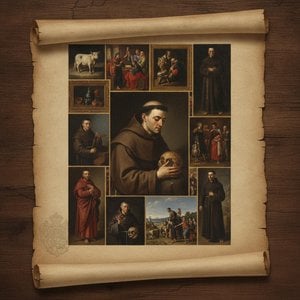
Johannes Pauwelszon Moreelse: A Pioneer of Utrecht Caravaggism
Johan Pauwelszon Moreelse (c. 1603 – October 1634), a Dutch Baroque painter hailing from Utrecht, stands as a pivotal figure within the Utrecht Caravaggist school—a movement that dramatically reshaped artistic sensibilities during the Dutch Golden Age.
Little is definitively known about Moreelse’s formative years. Born around 1603 in Utrecht, he descended from a family steeped in artistic tradition; his father, Paulus Moreelse, was already recognized as a respected portrait painter, establishing a powerful legacy of visual representation.
Early Training and Artistic Influences
Moreelse’s formal education centered primarily around Utrecht, where he honed his skills under the tutelage of his father. However, recognizing the broader artistic landscape, he embarked on a journey to Rome in 1627—a pilgrimage that would profoundly impact his stylistic trajectory. The Roman environment exposed him to the burgeoning innovations of Baroque art, particularly those championed by Caravaggio himself.
Caravaggio’s revolutionary approach to lighting and dramatic composition served as an undeniable catalyst for Moreelse's artistic development. This influence is palpable in his paintings—characterized by intense chiaroscuro effects that heighten emotional impact and create a sense of theatrical grandeur. The artist skillfully employed color palettes reminiscent of Caravaggio, prioritizing vibrant hues alongside subdued tones to convey psychological depth.
Notable Works and Artistic Style
Moreelse’s oeuvre remains relatively modest compared to contemporaries like Rembrandt or Vermeer, yet his paintings possess remarkable artistic merit. Among his most celebrated compositions is “The Triumph Arch with Bearers of the Spoils of War,” a monumental depiction capturing a pivotal moment in military history—a testament to Moreelse's mastery of perspective and emotive storytelling.
His style distinguishes itself through its dynamism and psychological realism. Unlike many artists of his time who favored idealized representations, Moreelse sought to portray human subjects with unflinching honesty, conveying their inner turmoil and vulnerability. This commitment to portraying emotion aligns seamlessly with the broader Caravaggist ethos—a rejection of academic conventions in favor of visceral immediacy.
Museum Collections and Legacy
Several canvases attributed to Moreelse grace prominent museum collections across Europe. The Mauritshuis in The Hague houses a significant selection, offering visitors an unparalleled opportunity to contemplate his artistic achievements firsthand. Furthermore, works by Moreelse can be found at the Stedelijk Museum Amsterdam and the Rijksmuseum Amsterdam.
Moreelse’s contribution to Utrecht Caravaggism solidified his place as one of the foremost painters of his era. His innovative techniques—particularly his masterful manipulation of light—influenced subsequent generations of artists, shaping the visual vocabulary of Baroque painting in Holland. Despite his untimely demise during a plague epidemic in 1634, Moreelse’s legacy persists—a beacon of artistic experimentation and emotional intensity within the annals of Dutch art history.



 معاينة الحجم الحقيقي
 اشترِ لوحة مرسومة يدويًا
 مشاركة
 مشاركة
 التفاصيل

 تحميل الملف
 قطع مشابهة
 الأشعة السينية
 عرض شرائح
 الإحصائيات


 عرض المزيد






































 خيار الزجاج متاح فقط للمقاسات التي تقل عن 110 سم