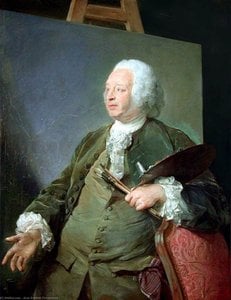
Oil On CanvasWallArtRococo
 1733
1733 57.0 x 46.0 cm
 الكولليكشن والاس
لوحة زيتية مرسومة يدوياً على الكانفاس بالمقاس والإطار الذي تفضله، تُنفذ حسب الطلب على أيدي فنانينا. ( اشترِ نسخة مطبوعة اشترِ الصورة)





























اختر من بين أحجامنا المُعدّة مسبقًا والتي تتطابق مع النسب الأصلية للعمل الفني.

يمكنك إدخال أبعادك الخاصة لتناسب إطارًا معينًا أو مساحة محددة. وإذا لم يتطابق الحجم الذي اخترته مع نسب الصورة الأصلية، فسنقوم إما بقص العمل الفني أو توسيع اللوحة بإضافة عناصر مرسومة يدويًا. سيتم إرسال نموذج رقمي إليك للموافقة عليه قبل بدء الإنتاج.
يرجى ملاحظة أن المعاينة على الشاشة لا تعكس عملية القص أو التوسيع الفعلية؛ حيث إن النموذج الرقمي وحده هو الذي سيوضح التكوين النهائي بدقة.
وعلى الرغم من توفر أحجام مخصصة، إلا أننا نوصي باختيار أبعاد من القائمة المحددة مسبقًا للحفاظ على النسب الأصلية للعمل الفني.
توصيل عالمي إلى خلال 3 إلى 4 أسابيع بدلاً من المدة المعتادة البالغة 5 أسابيع. (6 سبتمبر). جودة لا تهاون فيها.


The Dance
مقاس النسخة المطبوعة
Jean-Baptiste Pater's "The Dance," painted in 1733, is more than just a charming depiction of an outdoor gathering; it’s a meticulously crafted window into the heart of 18th-century French Rococo society. This exquisite oil painting, currently housed at the National Gallery in London, captures a fleeting moment of leisurely indulgence – a scene brimming with flirtation, conversation, and the subtle pleasures of aristocratic life. Pater, considered the sole student of Antoine Watteau, masterfully emulates his teacher’s signature style, creating an image that is both instantly recognizable and deeply evocative.
The composition itself immediately draws the eye into a dynamic tableau. A group of elegantly dressed figures – gentlemen in powdered wigs and ladies adorned with elaborate gowns – are engaged in animated conversation amidst a lush, wooded backdrop. The central focus rests on two individuals locked in an intimate exchange, their gestures suggesting a playful flirtation that permeates the entire scene. Pater skillfully employs asymmetry to create visual interest, preventing the composition from feeling static or overly formal. Notice how the figures are arranged not around a single point of action, but rather scattered across the canvas, inviting the viewer to become part of the unfolding drama.
Pater’s technical prowess is evident in every brushstroke. The painting is dominated by a delicate palette of pastel hues – soft pinks, blues, greens, and creams – characteristic of the Rococo style. These muted tones contribute to an atmosphere of refined elegance and understated luxury. Pater's masterful use of layering oil paints creates a remarkable sense of depth and luminosity. He builds up textures with meticulous detail, particularly in the rendering of fabrics, capturing their shimmering quality with astonishing accuracy. The brushwork itself is remarkably light and airy, contributing to the overall feeling of gracefulness and movement.
The artist’s technique also reveals a subtle departure from Watteau's style. While Pater undoubtedly draws inspiration from his mentor, he introduces a more defined sense of line – particularly in the shimmering outlines that define the figures’ clothing and the foliage. This adds a touch of dynamism to the scene, preventing it from feeling overly ethereal or dreamlike. The use of *sfumato*, a technique involving subtle gradations of tone, further softens the edges and creates an atmospheric haze that enhances the sense of depth.
Beyond its aesthetic beauty, “The Dance” is rich in symbolic meaning. The abundance of fruit depicted on the tree – peaches, grapes, and plums – is a potent symbol of fertility, prosperity, and good fortune, frequently associated with the Rococo era. These symbols subtly reinforce the theme of pleasure and indulgence that permeates the painting. Furthermore, the clothing worn by the figures reflects their social status and wealth; the elaborate gowns and powdered wigs are unmistakable markers of aristocratic privilege. The setting itself – a secluded woodland retreat – suggests an escape from the constraints of courtly life, offering a space for private conversation and romantic encounters.
Ultimately, “The Dance” is a captivating portrayal of a specific moment in 18th-century French society. Pater doesn’t simply depict a gathering; he captures the *feeling* of leisurely amusement, lightheartedness, and sophisticated enjoyment of life. The painting evokes a sense of nostalgia for a bygone era, inviting us to step back in time and witness a scene of refined indulgence. It's a testament to Pater’s skill as an artist and his ability to translate the spirit of the Rococo into a visually stunning and emotionally resonant work of art. Reproductions of this piece offer a beautiful addition to any collection or interior space, bringing a touch of timeless elegance and subtle charm.


1695 - 1736 , فرنسا

Immerse yourself in the splendor of Rococo art. Discover the era of elegance through masterworks by Watteau and Fragonard. Explore themes of romance, aristocratic leisure, and gilded ornamentation in this definitive guide to 18th-century French opulence.

Discover the exquisite allure of Rococo art. Explore a curated guide to 18th-century French masterpieces, from Watteau to Fragonard, and learn how hand-painted oil reproductions can bring timeless elegance and luxury to your sophisticated interior design collection.

Discover the breathtaking elegance of Rococo portraiture. Explore an expert guide to 18th-century mastery, from pastel palettes to aristocratic grandeur, and learn how to bring this era of opulence into your home through museum-quality oil reproductions.

 معاينة الحجم الحقيقي
 مشاركة
 مشاركة
 التفاصيل

 تحميل الملف
 قطع مشابهة
 الأشعة السينية
 عرض شرائح
 عرض المزيد







 خيار الزجاج متاح فقط للمقاسات التي تقل عن 110 سم