


طباعة جيكلي أو كانفاس بجودة المتاحف، مع سرعة في التنفيذ وخيارات متنوعة للتشطيب. ( شراء لوحة مرسومة يدويًا الانتقال إلى الصورة الرقمية)





























اختر من بين أحجامنا المُعدّة مسبقاً والتي تتوافق مع النسب الأصلية للعمل الفني.

أدخل العرض والارتفاع المطلوبين ليتناسب المقاس مع إطارك أو جدارك. يرجى الملاحظة أن المطبوعة يمكن قصها فقط ولا يمكن تكبيرها لتتجاوز أبعاد الصورة الأصلية، لذا فإن اختيار مقاس بأبعاد مختلفة سيؤدي إلى فقدان جزء من الصورة. سنرسل لك نموذجاً رقمياً تجريبياً لاعتماده قبل البدء في عملية الطباعة. الصورة المعروضة في هذه الصفحة لا توضح شكل القص الفعلي — النموذج التجريبي فقط هو ما يظهر ذلك بدقة.
توصيل عالمي إلى خلال أسبوعين بدلاً من المدة القياسية البالغة 4/5 أسابيع. (8 نوفمبر)
Dead Hare and Partridges
مقاس النسخة المطبوعة
To gaze upon Jan Weenix’s Dead Hare and Partridges is to step into a moment suspended between violence and quiet repose. This painting, executed around 1690, is far more than a mere collection of deceased fauna; it is a profound meditation on the relentless cycle of life, death, and sustenance that underpins the natural world. The composition immediately draws the eye to the central figure—the fallen hare, its head held in an almost defiant stillness against the earth. This arresting tableau, characteristic of the meticulous realism prized during the Dutch Golden Age, invites the viewer into a private, contemplative space where the drama of the hunt has just concluded.
Weenix’s technical prowess is evident in every feather and sinew. His handling of texture is nothing short of breathtaking; one can almost feel the coarse fur of the hare against the rough branches supporting the perching birds. The artist possessed an unparalleled gift for rendering organic matter with scientific accuracy, yet imbued it with a painterly grace. Observe the smaller details: the scattered birds in the background, seemingly oblivious to the central drama, add layers of depth and narrative complexity. These elements work together to create a believable ecosystem captured on canvas, showcasing Weenix’s deep observational skills honed through years of studying the natural world around him.
In the tradition of Dutch genre painting, such scenes often carry rich symbolic weight. The dead game speaks directly to themes of mortality and transience—vanitas motifs that were deeply resonant in 17th-century thought. Yet, this is not a purely morbid depiction. The presence of life continuing around the carcass, the birds feeding, suggests nature’s immediate resilience. It whispers of renewal; even in death, there is sustenance, and thus, promise for what comes next. For the modern collector or designer, this piece offers a sophisticated contemplation on impermanence, adding an intellectual depth to any space.
Jan Weenix stood within a lineage that valued empirical observation alongside artistic flair. His work embodies the pinnacle of Dutch realism—a style that celebrated the tangible beauty of everyday life while elevating it to the realm of high art. Owning a reproduction of this piece allows one to bring home not just a painting, but a carefully curated piece of history. It speaks to an era when the material world was studied with intense devotion, resulting in works that feel both intimately familiar and eternally grand.
يمكنك معاينة "Dead Hare and Partridges" للفنان يان وينيك عبر صفحة معاينة العمل الفني الخاصة بالعمل الفني.
للحصول على نسخة رقمية من "Dead Hare and Partridges" للفنان يان وينيك، يمكنك طلب تحميل صورة رقمية عالية الدقة عبر صفحة نسخة رقمية عالية الدقة.
الهوية اللونية لـ "Dead Hare and Partridges" للفنان يان وينيك: لوحة ألوان Earthy، يطغى عليها لون Phthalo Green (#2e2122).


1641 - 1719 , هولندا

Explore the rich history of still life painting with WahooArt. Discover Dutch Masters, decode vanitas symbolism & learn about collecting timeless art. Expert insights and museum-quality reproductions.

Explore the captivating world of Jan Wijnants and Dutch Golden Age still life painting. Discover symbolism, masterful techniques & lasting influence on floral art history. Learn more!
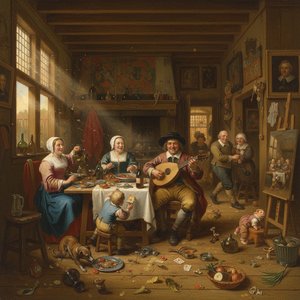
Explore the life & art of Jan Steen, a leading Dutch Golden Age painter renowned for his humorous genre scenes & insightful social commentary. Discover his techniques, legacy, and collecting tips.

اكتشف روائع العصر الذهبي الهولندي! استكشف 10 لوحات خالدة لرامبرانت، فيرمير وغيرهم. فن هولندي باروكي، ألوان آسرة وقصص فنية لا تُنسى. احصل على إعادة إنتاج عالية الجودة وتحف فنية لديكور منزلك مع WahooArt.com

Explore the captivating world of Dutch Golden Age still life with Abraham van Beyeren. Discover his innovative techniques, symbolic banquet scenes & lasting influence on art history. Learn about collecting these masterpieces.
 معاينة الحجم الواقعي
 مشاركة
 مشاركة
 التفاصيل
 دليل
دليل

 تحميل الملف
 قطع مشابهة
 الأشعة السينية
 عرض شرائح
 الأسئلة والأجوبة
 الإحصائيات


 عرض المزيد









 خيار الزجاج متاح فقط للمقاسات التي تقل عن 110 سم


