معاينة الحجم الحقيقيمعاينة الحجم الحقيقي معاينة بالواقع المعززمعاينة بالواقع المعزز اشترِ لوحة مرسومة يدويًا اشترِ لوحة مرسومة يدويًاSwitch to Digital Image Switch to Digital Image مشاركةمشاركة
التفاصيلالتفاصيل أضف إلى المفضلة أضف إلى المفضلة تحميل الملفتحميل الملف قطع مشابهةقطع مشابهة الأشعة السينيةالأشعة السينية عرض شرائحعرض شرائح StatsStats

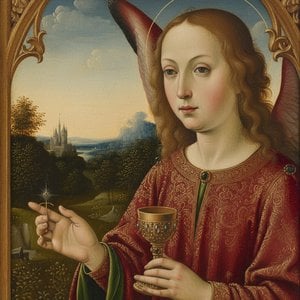
untitled (6401)

Witness the brilliance of Jan van Eyck's 'Untitled (6401)' – a captivating portrait revealing symbolism and masterful detail, showcasing his revolutionary oil painting techniques & early Netherlandish art.

يان فان إيك (1390-1441): رائد الرسم الفلمنكي المبكر، اشتهر بإتقانه للرسم الزيتي ولوحاته الواقعية الرائدة مثل لوحة أرنولفيني و المذبح في غنت. استكشف فن عصر النهضة الشمالي!

طباعة جيلي / مطبوعات فنية

طباعة جيكلي أو كانفاس بجودة المتاحف، مع سرعة في التنفيذ وخيارات متنوعة للتشطيب. (اشترِ لوحة مرسومة يدويًا اشترِ لوحة مرسومة يدويًاSwitch to Digital Image Switch to Digital Image)

P118B $10
P118H $10
P118W $10
P438Z $10
P508JH $12
P508YH $12
P805H $10
P805Z $10
P919BZ $10
P919G $10
P919XJ $10
P959ZH $10
P968JZ $12
W106C $8
W218G $10
W218JH $8
W218Y $10
W307PJ $10
W316G $10
W316PJ $8
W316Y $10
W398PJ $8
W4111J $10
W500HY $15
W500JH $15
W692G $12
W849H $8
W940BG $15
W953PJ $8

قياسي
حسب الطلب
CM
INCH

اختر من بين أحجامنا المُعدّة مسبقًا والتي تتطابق مع النسب الأصلية للعمل الفني.

العرض
الارتفاع

يمكنك إدخال أبعادك الخاصة لتناسب إطاراً أو مساحة معينة. وإذا لم يتطابق الحجم الذي اخترته مع نسب الصورة الأصلية، فسنقوم إما بقص العمل الفني أو تمديد الصورة باستخدام حافة معكوسة أو بلون مصمت. سيتم إرسال نموذج تجريبي رقمي لاعتمادك قبل بدء الإنتاج.
يرجى ملاحظة أن المعاينة على الشاشة لا تعكس عملية القص أو التمديد الفعلية؛ حيث سيوضح النموذج التجريبي فقط التكوين النهائي بدقة.
وعلى الرغم من توفر أحجام مخصصة، إلا أننا نوصي باختيار أبعاد من القائمة المحددة مسبقاً للحفاظ على النسب الأصلية.

توصيل عالمي إلى خلال أسبوعين بدلاً من المدة القياسية البالغة 4/5 أسابيع. 8 سبتمبر

why_choose_icon
شحن سريع ومجاني لجميع أنحاء العالم
why_choose_icon
قماش كتان عالي الجودة
why_choose_icon
تأمين شحن شامل
why_choose_icon
ضمان استرداد الرسوم الجمركية
why_choose_icon
ضمان مطابقة الألوان الحقيقية
why_choose_icon
سياسة الإرجاع خلال 100 يوم (في حالات العيوب فقط)
why_choose_icon
ضمان استرداد نقدي بنسبة 100%
why_choose_icon
خصم عند طلب عدة قطع

إجمالي السعر

$ 68

reproduction

untitled (6401)

طباعة جيلي / مطبوعات فنية

مقاس النسخة المطبوعة

-

السعر الإجمالي النهائي

$ 68

معلومات سريعة

  • Medium: Oil paint
  • Movement: Early Netherlandish
  • Notable elements or techniques: Realism, detail
  • Artistic style: Renaissance
  • Title: untitled (6401)
  • Influences: International Gothic

اختبار الفنون

يوجد إجابة صحيحة واحدة فقط لكل سؤال.

سؤال 1:
Based on the image description, what is the primary subject of this painting?
سؤال 2:
The image description mentions two other people in the painting. What is their relationship to the main subject?
سؤال 3:
Jan van Eyck is renowned for his pioneering use of which painting technique?
سؤال 4:
The image description references a cross. What might this symbol represent in the context of the painting?
سؤال 5:
Considering Jan van Eyck's known works, such as 'The Arnolfini Portrait', what is a key characteristic of his style?

The Enigmatic Figure: An Introduction to Jan van Eyck's Portrait

This captivating portrait, tentatively titled “Untitled (6401),” offers a profound glimpse into the world of early 15th-century Flanders. Attributed to the revolutionary artist Jan van Eyck – a master whose techniques fundamentally reshaped Western painting – the work transcends mere representation, becoming a meticulously constructed meditation on status, piety, and perhaps even a subtle expression of marital intent. Painted around 1432-1439, during his tenure as court painter to Philip the Good, Duke of Burgundy, this piece exemplifies Van Eyck’s unparalleled skill in rendering detail and capturing the psychological depth of his subjects.

The central figure, a man clad in a rich crimson robe with a concealing hood, commands immediate attention. His stern expression – a carefully controlled severity – suggests authority and contemplation. He holds a book open in one hand, its pages likely filled with scripture or legal texts, while his other hand gestures towards a sheet of parchment, possibly containing instructions or a document of importance. The presence of two secondary figures—a man standing behind the primary subject and another to the right—adds layers of narrative complexity, hinting at a scene unfolding within a courtly setting. A small, cruciform object positioned in the upper left corner introduces an element of religious symbolism, potentially alluding to faith, sacrifice, or divine judgment.

The Revolutionary Technique: Oil Paint and Hyperrealism

What immediately distinguishes this portrait is Van Eyck’s masterful deployment of oil paint – a medium he essentially pioneered. Unlike the tempera paints favored by his predecessors, oil allowed for unprecedented levels of detail, luminosity, and subtle gradations of color. Observe how the light catches on the folds of the robe, revealing intricate textures and creating an almost tactile quality. The meticulous rendering of each individual hair, the sheen of the fabric, and the delicate details of the parchment all testify to Van Eyck’s obsessive attention to realism – a hallmark of his style.

Van Eyck's technique wasn’t simply about replicating reality; it was about *illuminating* it. He employed glazing techniques—thin layers of translucent paint applied over dry underlayers—to build up color and depth, achieving an astonishing level of luminosity that seems to emanate from the canvas itself. This careful layering also allowed for incredible precision in rendering textures and surfaces, a characteristic that would become synonymous with the Early Netherlandish school.

Symbolism and Context: Marriage or Remembrance?

The portrait’s symbolism has been the subject of intense scholarly debate. While often interpreted as a simple depiction of a wealthy man, many believe it carries deeper layers of meaning rooted in the conventions of marriage portraits popular during the period. The book held by the central figure could represent knowledge and wisdom, while the parchment might symbolize legal documents related to inheritance or property. The presence of two figures adds another layer – one behind the primary subject may be a servant or attendant, while the other on the right could be his wife, observing from a distance.

Interestingly, some scholars suggest that this portrait may have functioned as a memorial rather than a purely celebratory depiction. The stern expression of the central figure and the somber atmosphere contribute to this interpretation. Considering the context of Van Eyck’s life – his brother Hubert died in 1426 – it's possible that this work was commissioned to commemorate a deceased loved one, with the central figure representing the departed soul.

A Legacy of Innovation: Van Eyck and the Dawn of Modern Art

Jan van Eyck’s “Untitled (6401)” stands as a testament to his genius and a pivotal moment in art history. His innovations with oil paint not only revolutionized artistic technique but also paved the way for future generations of painters, influencing artists from Leonardo da Vinci to Rembrandt. This portrait, with its remarkable detail, psychological depth, and subtle symbolism, offers a rare opportunity to connect with one of the most influential figures in Western art – a master who illuminated the world through his brush.


السيرة الذاتية للفنان

عالم يضيء: حياة جان فان إيك

جان فان إيك، اسم يرتبط ببداية فن الرسم الفلمنكي المبكر والاستخدام الثوري للطلاء الزيتي، لا يزال شخصية غامضة على الرغم من تأثيره الهائل على تاريخ الفن. ولد حوالي عام 1390 في ماستريخت، الواقعة في ما هو الآن هولندا، وبرز فان إيك من عائلة متجذرة في التقاليد الفنية - كان شقيقه الأكبر هوبيرت أيضًا يمارس مهنة الرسم، على الرغم من أن التفاصيل المتعلقة بعمله لا تزال غامضة. وعلى الرغم من ندرة التفاصيل البيوغرافية الدقيقة، وخاصة فيما يتعلق بأعوام تكوينه الأولى، فمن الواضح أن جان كان يتمتع بموهبة فطرية وصعد بسرعة إلى الصدارة في الأوساط الفنية في عصره. بحلول عام 1422، أسس بالفعل ورشة عمل في لاهاي، وعين مساعدين، ونفذ عمولات أشارت إلى إتقانه للحرفة. لم يكن هذا النجاح المبكر يعتمد فقط على المهارة الفنية؛ كان فان إيك رجل ذكاء وجدارة بالثقة، وهي صفات سرعان ما ستجذب انتباه الرعاة الأقوياء.

في خدمة بورغونيا: الدبلوماسية والازدهار الفني

جاءت لحظة محورية في مسيرة فان إيك مع تعيينه في بلاط بورغونيا، أولاً تحت حكم جون الثالث اللامبالي ثم فيليب الطيب. لم يكن هذا مجرد ترتيب للرعاية؛ فقد أُوكل إلى فان إيك مهام دبلوماسية، مما يدل على ثقة الدوق في سلمه وعقله. عرّضه لهذه الرحلات عبر أوروبا - بما في ذلك رحلات إلى البرتغال وإسبانيا - لثقافات متنوعة وتأثيرات فنية، مما شكل بمهارة أسلوبه المتطور. لم يوفر البلاط الأمن المالي فحسب، بل وفر أيضًا الوصول إلى الموارد التي سمحت لفان إيك بمتابعة مشاريع طموحة، ودفع حدود ما هو ممكن فنيًا. لم يكن مجرد رسام *لصالح* النخبة البورغونية؛ فقد أصبح جزءًا لا يتجزأ من عالمهم، مما يعكس ويعزز مكانتهم من خلال فنه. أتاح له هذا المنصب الفريد مستوى من الحرية الفنية نادرًا ما يتمتع به الرسامون في تلك الحقبة، مما سمح بالتجريب والابتكار اللذين سيغيران إلى الأبد مسار الرسم.

كيمياء الزيت: ثورة في التقنية

على الرغم من أنه لم يكن مخترع طلاء الزيت - فقد تم استخدامه قبل فان إيك - إلا أنه سيد مُتقن بلا شك. قبل ابتكاراته، كان الطلاء المُزَجَّج هو الوسيط المهيمن، مما يوفر قدرات دمج محدودة وتشطيبًا غير لامع نسبيًا. كشف فان إيك عن الإمكانات الكاملة لطلاء الزيت من خلال وضع طبقات شفافة دقيقة، مما حقق مستوى غير مسبوق من التفاصيل والإشراق والواقعية. سمحت هذه التقنية بتدرجات لونية دقيقة وألوان أكثر ثراءً وإنشاء نسيج يحاكي الحياة نفسها. كان التأثير تحويليًا؛ بدت الأسطح وكأنها تتوهج من الداخل، وتمتلك الأقمشة جودة لمسية، والتقاط الصور ليس فقط الشبه ولكن أيضًا العمق النفسي. لم تكن إتقانه مجرد تقنية - بل كانت عملية كيميائية، تحول الأصباغ إلى شيء يشبه الواقع الحي. لم يمر هذا الابتكار دون أن يلاحظه أحد؛ فقد أصبح الأساس لأجيال من الرسامين الذين تبعوه، وغير بشكل أساسي مشهد الفن الغربي.

روائع وإرث دائم

تُرسخ الإرث الفني لفان إيك بجسم عمل صغير نسبيًا ولكنه مؤثر بعمق. يقف لوحة جينت (1432)، وهي لوحة متعددة الألواح ضخمة، كأكثر مساعيه طموحًا - نسيج معقد من الرمزية الدينية والبراعة الفنية. وبالمثل، تشتهر الصورة الرائعة جيوفاني أرنولفيني وزوجته (1434) بعمل رائد في الرسم البورتريتي يحتفل بالواقعية والتفاصيل المعقدة والرمزية الغامضة. تشمل الأعمال الملحوظة الأخرى ثلاثية دريسدن، التي تعرض مهارته في تصوير المشاهد الدينية بوضوح ملحوظ، والصورة المؤثرة الرجل في الطربوش الأزرق، وهي شهادة على قدرته على التقاط الشخصية الفردية. هذه اللوحات ليست مجرد تمثيلات مرئية فحسب؛ إنها نوافذ إلى عالم آخر - عالم مُصَوَّر بدقة متناهية مع اهتمام شبه قهري بالتفاصيل. يمتد تأثير فان إيك إلى ما هو أبعد من الأعمال الشهيرة، مما شكل تطور الرسم الفلمنكي المبكر وألهم عددًا لا يحصى من الفنانين لعدة قرون قادمة. توفي في بروج عام 1441، تاركًا وراءه إرثًا لا يزال يتردد صداه حتى اليوم، ويذكرنا بقوة الفن في إضاءة التجربة الإنسانية.
يان فان إيك

يان فان إيك

1390 - 1441 , هولندا

حقائق سريعة

  • أعمال فنية بارزة:
    • مذبح غنت
    • صورة جيوفاني أرنولفيني وزوجته
    • ثلاثية دريسدن
    • رجل في طربوش أزرق
  • الاسم الكامل: يان فان إيك
  • الجنسية: فلمنكي
  • الحركات الفنية المتأثرة: ['الرسامون الفلمنكيون المبكرون']
  • الحركة الفنية: الرسم الفلمنكي المبكر
  • تاريخ الميلاد: حوالي 1390
  • مكان الميلاد: ماستريخت، هولندا
استكشف الأعمال الفنية المصنفة حسب الموضوعات والأنماط والخصائص.