معاينة الحجم الواقعي معاينة بالواقع المعزز اطلب نسخة مرسومة يدويًا التحويل إلى الصورة الرقمية إرسال
عرض التفاصيل دليل الأعمال الفنية للطلاب أضف إلى المفضلة تحميل قطع مشابهة الأشعة السينية عرض شرائح متتابع الإحصائيات

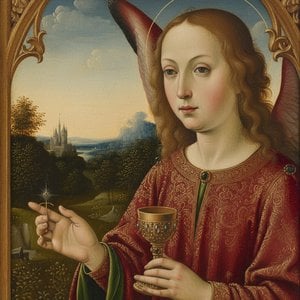
The Annunciation

Jan van Eyck ( van EYEK; Dutch: [ˈjɑɱ vɑn ˈɛik]; c. before 1390 – 9 July 1441) was a Flemish painter active in Bruges who was one of the early innovators of what became known as Early Netherlandish painting, and one of the supreme figures of the Early Northern Renaissance. Such was his legacy, that he has been called “the

يان فان إيك (1390-1441): رائد الرسم الفلمنكي المبكر، اشتهر بإتقانه للرسم الزيتي ولوحاته الواقعية الرائدة مثل لوحة أرنولفيني و المذبح في غنت. استكشف فن عصر النهضة الشمالي!

طباعة جيلي / مطبوعات فنية

طباعة جيكلي أو كانفاس بجودة المتاحف، مع سرعة في التنفيذ وخيارات متنوعة للتشطيب. ( اطلب نسخة مرسومة يدويًا التحويل إلى الصورة الرقمية)

Corner sample of the P118B picture frame: بوليسترين مُشكّل, 5 cm wide and 3 cm thick
P118B E£10
Corner sample of the P118H picture frame: بوليسترين مُشكّل, 5 cm wide and 3 cm thick
P118H E£10
Corner sample of the P118W picture frame: بوليسترين مُشكّل, 5 cm wide and 3 cm thick
P118W E£10
Corner sample of the P438Z picture frame: بوليسترين مُشكّل, 5.5 cm wide and 3.5 cm thick
P438Z E£10
Corner sample of the P508JH picture frame: بوليسترين مُشكّل, 7 cm wide and 3.5 cm thick
P508JH E£12
Corner sample of the P508YH picture frame: بوليسترين مُشكّل, 7 cm wide and 3.5 cm thick
P508YH E£12
Corner sample of the P805H picture frame: بوليسترين مُشكّل, 5 cm wide and 3.5 cm thick
P805H E£10
Corner sample of the P805Z picture frame: بوليسترين مُشكّل, 5 cm wide and 3.5 cm thick
P805Z E£10
Corner sample of the P919BZ picture frame: بوليسترين مُشكّل, 7 cm wide and 3.5 cm thick
P919BZ E£10
Corner sample of the P919G picture frame: بوليسترين مُشكّل, 7 cm wide and 3.5 cm thick
P919G E£10
Corner sample of the P919XJ picture frame: بوليسترين مُشكّل, 7 cm wide and 3.5 cm thick
P919XJ E£10
Corner sample of the P959ZH picture frame: بوليسترين مُشكّل, 5 cm wide and 3 cm thick
P959ZH E£10
Corner sample of the P968JZ picture frame: بوليسترين مُشكّل, 6 cm wide and 4 cm thick
P968JZ E£12
Corner sample of the W106C picture frame: خشب طبيعي صلب, 5 cm wide and 3 cm thick
W106C E£8
Corner sample of the W218G picture frame: خشب طبيعي صلب, 5 cm wide and 3 cm thick
W218G E£10
Corner sample of the W218JH picture frame: خشب طبيعي صلب, 5 cm wide and 3 cm thick
W218JH E£8
Corner sample of the W218Y picture frame: خشب طبيعي صلب, 5 cm wide and 3 cm thick
W218Y E£10
Corner sample of the W307PJ picture frame: خشب طبيعي صلب, 6 cm wide and 3 cm thick
W307PJ E£10
Corner sample of the W316G picture frame: خشب طبيعي صلب, 6 cm wide and 3 cm thick
W316G E£10
Corner sample of the W316PJ picture frame: خشب طبيعي صلب, 6 cm wide and 3 cm thick
W316PJ E£8
Corner sample of the W316Y picture frame: خشب طبيعي صلب, 6 cm wide and 3 cm thick
W316Y E£10
Corner sample of the W398PJ picture frame: خشب طبيعي صلب, 5 cm wide and 3 cm thick
W398PJ E£8
Corner sample of the W4111J picture frame: خشب طبيعي صلب, 6.5 cm wide and 3.5 cm thick
W4111J E£10
Corner sample of the W500HY picture frame: خشب طبيعي صلب, 7 cm wide and 5 cm thick
W500HY E£15
Corner sample of the W500JH picture frame: خشب طبيعي صلب, 7 cm wide and 5 cm thick
W500JH E£15
Corner sample of the W692G picture frame: خشب طبيعي صلب, 8 cm wide and 4 cm thick
W692G E£12
Corner sample of the W849H picture frame: خشب طبيعي صلب, 5 cm wide and 3 cm thick
W849H E£8
Corner sample of the W940BG picture frame: خشب طبيعي صلب, 7.5 cm wide and 4.5 cm thick
W940BG E£15
Corner sample of the W953PJ picture frame: خشب طبيعي صلب, 6 cm wide and 3.5 cm thick
W953PJ E£8

مقاس قياسي
مخصص
CM
INCH

اختر من بين أحجامنا المُعدّة مسبقاً والتي تتوافق مع النسب الأصلية للعمل الفني.

العرض
الارتفاع

أدخل العرض والارتفاع اللذين تحتاجهما، ليتناسب مع إطارك أو جدارك. يمكن قص المطبوعة فقط، ولا يمكن أبداً جعلها أكبر من الصورة الأصلية، لذا فإن أي مقاس بشكل مختلف سيؤدي إلى فقدان جزء من الصورة. سنرسل لك نموذجاً رقمياً تجريبياً لاعتماده قبل البدء في عملية الطباعة. الصورة المعروضة في هذه الصفحة لا توضح القص الفعلي — النموذج التجريبي فقط هو ما يظهر ذلك.

توصيل عالمي إلى خلال أسبوعين بدلاً من المدة القياسية البالغة 4/5 أسابيع. (22 أكتوبر)

شحن سريع ومجاني لجميع أنحاء العالم
قماش كتان فاخر
تأمين شامل على الشحن
ضمان استرداد الرسوم الجمركية
ضمان دقة مطابقة الألوان
سياسة الإرجاع خلال 100 يوم (في حالات العيوب فقط)
ضمان استرداد نقدي بنسبة 100%
عرض خصم الكميات

إجمالي السعر

E£ 3496

The Annunciation

طباعة جيلي / مطبوعات فنية

مقاس النسخة المطبوعة

-

إجمالي السعر

E£ 3496

حقائق سريعة

  • Artistic style: Realistic
  • Location: Galleria Sabauda
  • Medium: Oil paint
  • Artist: Jan van Eyck
  • Movement: Early Netherlandish Painting

The Annunciation: A Dawn of Divine Revelation

Jan van Eyck’s “The Annunciation,” housed in the Galleria Sabauda in Turin, Italy, stands as an unparalleled achievement of Early Netherlandish painting—a testament to meticulous observation and groundbreaking artistic innovation. Completed around 1440, this monumental altarpiece transcends mere depiction; it embodies a profound theological meditation on faith, humility, and God’s grace, capturing the pivotal moment when Gabriel announces Mary's miraculous conception of Jesus Christ.

A Composition Steeped in Symbolism

The painting’s visual language is laden with symbolic significance. Dominating the scene is a serene room bathed in diffused light—a deliberate choice reflecting the spiritual illumination experienced by Mary and Joseph. At the center stands a statue of Saint Michael, positioned on the left side, symbolizing divine protection and authority. Opposite him resides a statue of Saint Mary, embodying purity and receptiveness to God’s will. These statues aren't merely decorative elements; they represent theological concepts crucial to Christian belief—the angel representing God’s intervention in human affairs and Mary signifying divine grace accepting God’s plan.

The Revolutionary Technique of Oil Paint

What distinguishes “The Annunciation” from its contemporaries is Van Eyck’s masterful application of oil paint – a technique he pioneered, arguably transforming the artistic landscape of Northern Europe. Unlike tempera paints that rely on pigment bound in egg yolk, oil paint allows for unparalleled luminosity and detail. Observe how Van Eyck painstakingly renders textures—the folds of Mary’s robe, the smooth surface of the statue’s drapery—creating an astonishingly realistic portrayal. The subtle gradations of color achieved through layering oil pigments contribute to the painting's ethereal atmosphere, conveying a sense of divine presence. This technique was revolutionary because it allowed for greater accuracy and depth of color than previous methods, resulting in images that seemed to glow with inner light.

Historical Context: Bruges at the Height of Artistic Flourishing

The painting’s creation coincided with Bruges—then Europe's commercial and artistic capital—experiencing a golden age under Burgundian rule. This era fostered patronage from wealthy merchants and nobles who commissioned ambitious artworks, propelling innovation in painting and sculpture. Van Eyck’s workshop was at the forefront of this movement, attracting skilled artisans and establishing Bruges as a beacon of artistic excellence. The Annunciation reflects the humanist spirit of the time, emphasizing human dignity alongside divine revelation—a harmonious blend that speaks to the enduring fascination with biblical narratives.

Emotional Resonance: A Moment of Graceful Acceptance

“The Annunciation” transcends its formal elements to evoke a powerful emotional response in viewers. The serene expressions on Mary’s and Joseph’s faces convey humility and trust—a palpable acknowledgment of God's benevolent intervention. The delicate portrayal of Gabriel’s gesture, holding the scroll bearing the divine message, underscores the transformative power of faith. More than just illustrating a biblical story, Van Eyck’s masterpiece invites contemplation on themes of hope, devotion, and the miraculous unfolding of God’s plan—a timeless reminder of the beauty and wonder inherent in spiritual experience.

الأسئلة والأجوبة

ما هي المواد المستخدمة في صنع "The Annunciation"، وبأي أسلوب تم تنفيذها؟

في "The Annunciation"، تلتقي تقنية Acrylic On Canvas مع حركة Early Netherlandish Renaissance.

كيف يرتبط أسلوب "The Annunciation" بالعصر الذي عاش فيه مبتكرها؟

في "The Annunciation" للفنان يان فان إيك، تلتقي حركة Early Netherlandish Renaissance مع عصر عصر النهضة.

كيف تُوصف لوحة ألوان "The Annunciation" للفنان يان فان إيك؟

تستخدم لوحة "The Annunciation" للفنان يان فان إيك مجموعة ألوان Earthy. وتلخص هذه المجموعة الطابع اللوني العام للعمل.


نبذة عن الفنان

عالم يضيء: حياة جان فان إيك

جان فان إيك، اسم يرتبط ببداية فن الرسم الفلمنكي المبكر والاستخدام الثوري للطلاء الزيتي، لا يزال شخصية غامضة على الرغم من تأثيره الهائل على تاريخ الفن. ولد حوالي عام 1390 في ماستريخت، الواقعة في ما هو الآن هولندا، وبرز فان إيك من عائلة متجذرة في التقاليد الفنية - كان شقيقه الأكبر هوبيرت أيضًا يمارس مهنة الرسم، على الرغم من أن التفاصيل المتعلقة بعمله لا تزال غامضة. وعلى الرغم من ندرة التفاصيل البيوغرافية الدقيقة، وخاصة فيما يتعلق بأعوام تكوينه الأولى، فمن الواضح أن جان كان يتمتع بموهبة فطرية وصعد بسرعة إلى الصدارة في الأوساط الفنية في عصره. بحلول عام 1422، أسس بالفعل ورشة عمل في لاهاي، وعين مساعدين، ونفذ عمولات أشارت إلى إتقانه للحرفة. لم يكن هذا النجاح المبكر يعتمد فقط على المهارة الفنية؛ كان فان إيك رجل ذكاء وجدارة بالثقة، وهي صفات سرعان ما ستجذب انتباه الرعاة الأقوياء.

في خدمة بورغونيا: الدبلوماسية والازدهار الفني

جاءت لحظة محورية في مسيرة فان إيك مع تعيينه في بلاط بورغونيا، أولاً تحت حكم جون الثالث اللامبالي ثم فيليب الطيب. لم يكن هذا مجرد ترتيب للرعاية؛ فقد أُوكل إلى فان إيك مهام دبلوماسية، مما يدل على ثقة الدوق في سلمه وعقله. عرّضه لهذه الرحلات عبر أوروبا - بما في ذلك رحلات إلى البرتغال وإسبانيا - لثقافات متنوعة وتأثيرات فنية، مما شكل بمهارة أسلوبه المتطور. لم يوفر البلاط الأمن المالي فحسب، بل وفر أيضًا الوصول إلى الموارد التي سمحت لفان إيك بمتابعة مشاريع طموحة، ودفع حدود ما هو ممكن فنيًا. لم يكن مجرد رسام *لصالح* النخبة البورغونية؛ فقد أصبح جزءًا لا يتجزأ من عالمهم، مما يعكس ويعزز مكانتهم من خلال فنه. أتاح له هذا المنصب الفريد مستوى من الحرية الفنية نادرًا ما يتمتع به الرسامون في تلك الحقبة، مما سمح بالتجريب والابتكار اللذين سيغيران إلى الأبد مسار الرسم.

كيمياء الزيت: ثورة في التقنية

على الرغم من أنه لم يكن مخترع طلاء الزيت - فقد تم استخدامه قبل فان إيك - إلا أنه سيد مُتقن بلا شك. قبل ابتكاراته، كان الطلاء المُزَجَّج هو الوسيط المهيمن، مما يوفر قدرات دمج محدودة وتشطيبًا غير لامع نسبيًا. كشف فان إيك عن الإمكانات الكاملة لطلاء الزيت من خلال وضع طبقات شفافة دقيقة، مما حقق مستوى غير مسبوق من التفاصيل والإشراق والواقعية. سمحت هذه التقنية بتدرجات لونية دقيقة وألوان أكثر ثراءً وإنشاء نسيج يحاكي الحياة نفسها. كان التأثير تحويليًا؛ بدت الأسطح وكأنها تتوهج من الداخل، وتمتلك الأقمشة جودة لمسية، والتقاط الصور ليس فقط الشبه ولكن أيضًا العمق النفسي. لم تكن إتقانه مجرد تقنية - بل كانت عملية كيميائية، تحول الأصباغ إلى شيء يشبه الواقع الحي. لم يمر هذا الابتكار دون أن يلاحظه أحد؛ فقد أصبح الأساس لأجيال من الرسامين الذين تبعوه، وغير بشكل أساسي مشهد الفن الغربي.

روائع وإرث دائم

تُرسخ الإرث الفني لفان إيك بجسم عمل صغير نسبيًا ولكنه مؤثر بعمق. يقف لوحة جينت (1432)، وهي لوحة متعددة الألواح ضخمة، كأكثر مساعيه طموحًا - نسيج معقد من الرمزية الدينية والبراعة الفنية. وبالمثل، تشتهر الصورة الرائعة جيوفاني أرنولفيني وزوجته (1434) بعمل رائد في الرسم البورتريتي يحتفل بالواقعية والتفاصيل المعقدة والرمزية الغامضة. تشمل الأعمال الملحوظة الأخرى ثلاثية دريسدن، التي تعرض مهارته في تصوير المشاهد الدينية بوضوح ملحوظ، والصورة المؤثرة الرجل في الطربوش الأزرق، وهي شهادة على قدرته على التقاط الشخصية الفردية. هذه اللوحات ليست مجرد تمثيلات مرئية فحسب؛ إنها نوافذ إلى عالم آخر - عالم مُصَوَّر بدقة متناهية مع اهتمام شبه قهري بالتفاصيل. يمتد تأثير فان إيك إلى ما هو أبعد من الأعمال الشهيرة، مما شكل تطور الرسم الفلمنكي المبكر وألهم عددًا لا يحصى من الفنانين لعدة قرون قادمة. توفي في بروج عام 1441، تاركًا وراءه إرثًا لا يزال يتردد صداه حتى اليوم، ويذكرنا بقوة الفن في إضاءة التجربة الإنسانية.
يان فان إيك

يان فان إيك

1390 - 1441 , هولندا

لمحة سريعة

  • أعمال فنية بارزة:
    • مذبح غنت
    • صورة جيوفاني أرنولفيني وزوجته
    • ثلاثية دريسدن
    • رجل في طربوش أزرق
  • الاسم الكامل: يان فان إيك
  • الجنسية: فلمنكي
  • الحركات الفنية المتأثرة: ['الرسامون الفلمنكيون المبكرون']
  • الحركة الفنية: الرسم الفلمنكي المبكر
  • تاريخ الميلاد: حوالي 1390
  • مكان الميلاد: ماستريخت، هولندا
استكشف الأعمال الفنية المصنفة حسب الموضوعات والأنماط والخصائص.