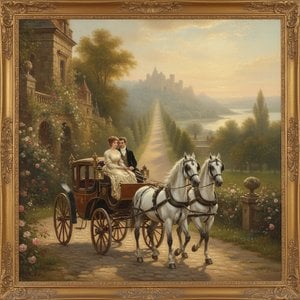
A Moment Captured: Delving into Degas’ “Before the Race”
“Before the Race,” painted in 1872 by Edgar Degas, is a captivating snapshot of anticipation and energy inherent in the world of horse racing. This work isn't merely a depiction of a sporting event; it’s an exploration of modern life, rendered with the innovative techniques that would come to define Impressionism – though Degas himself resisted the label.
Subject & Composition: The Thrill Before the Gallop
The painting centers on the moments *before* the race begins—a flurry of activity featuring horses, jockeys, and spectators gathered on a sprawling field. Degas masterfully employs a broad, horizontal composition to emphasize the vastness of the landscape and the dynamic line created by the assembled horses. Unlike traditional racing scenes focused on the climax of the event, Degas chooses to portray the quiet tension *before* the explosion of speed. The inclusion of distant architectural elements, like a church steeple, grounds the scene in a specific locale while simultaneously adding depth.
Style & Technique: Impressionistic Brushwork and Realist Roots
Degas’ style is immediately recognizable for its loose brushstrokes and prioritization of capturing atmosphere over precise detail. While categorized within the Impressionist movement, his approach was unique. He wasn't concerned with painting *en plein air* (outdoors) like many of his contemporaries; instead, he brought a classical training – initially aimed at history painting – to bear on contemporary subjects. This is evident in the careful observation of anatomy and form, even within the seemingly spontaneous application of paint. The layering of color creates a luminous effect, enhancing the sense of movement and light.
Historical Context: A Shift in Artistic Focus
Painted during a period of significant social and artistic change, “Before the Race” reflects a growing interest among artists in depicting modern life. The mid-19th century saw a move away from grand historical narratives towards scenes of everyday existence. Degas was at the forefront of this shift, finding beauty and drama in subjects like horse racing, ballet, and café society. His fascination with horses stemmed from a lifelong passion, and he produced numerous works exploring their power and grace.
Symbolism & Emotional Impact: Movement, Time, and Modernity
The painting subtly conveys themes of movement, competition, and the fleeting nature of time. The blurred figures and dynamic composition evoke a sense of immediacy, as if we are witnessing the scene unfold before our eyes. The horses themselves symbolize power and freedom, while the jockeys represent human ambition and control. There’s an underlying energy that hints at the excitement to come, creating a palpable tension for the viewer. The muted color palette – dominated by browns, greens, and blues – contributes to a sense of realism and understated elegance.
For Collectors & Designers
“Before the Race” is more than just a beautiful painting; it’s a window into a specific moment in time and a testament to Degas' artistic genius. Its dynamic composition and subtle color palette make it a versatile piece for interior design, lending sophistication and visual interest to any space. A high-quality reproduction of this work would be an exceptional addition to both private collections and commercial spaces, offering a timeless blend of artistry and historical significance. The painting’s ability to capture movement and atmosphere makes it particularly well-suited for living rooms, offices, or hallways – spaces where one might pause and contemplate the energy of modern life.



 معاينة الحجم الحقيقي
 اشترِ لوحة مرسومة يدويًا
 مشاركة
 مشاركة
 التفاصيل

 تحميل الملف
 قطع مشابهة
 الأشعة السينية
 عرض شرائح
 الإحصائيات

 عرض المزيد






































 خيار الزجاج متاح فقط للمقاسات التي تقل عن 110 سم