معاينة الحجم الواقعي معاينة بالواقع المعزز اطلب نسخة مرسومة يدويًا التحويل إلى الصورة الرقمية إرسال
عرض التفاصيل دليل الأعمال الفنية للطلاب أضف إلى المفضلة تحميل قطع مشابهة الأشعة السينية عرض شرائح متتابع الإحصائيات

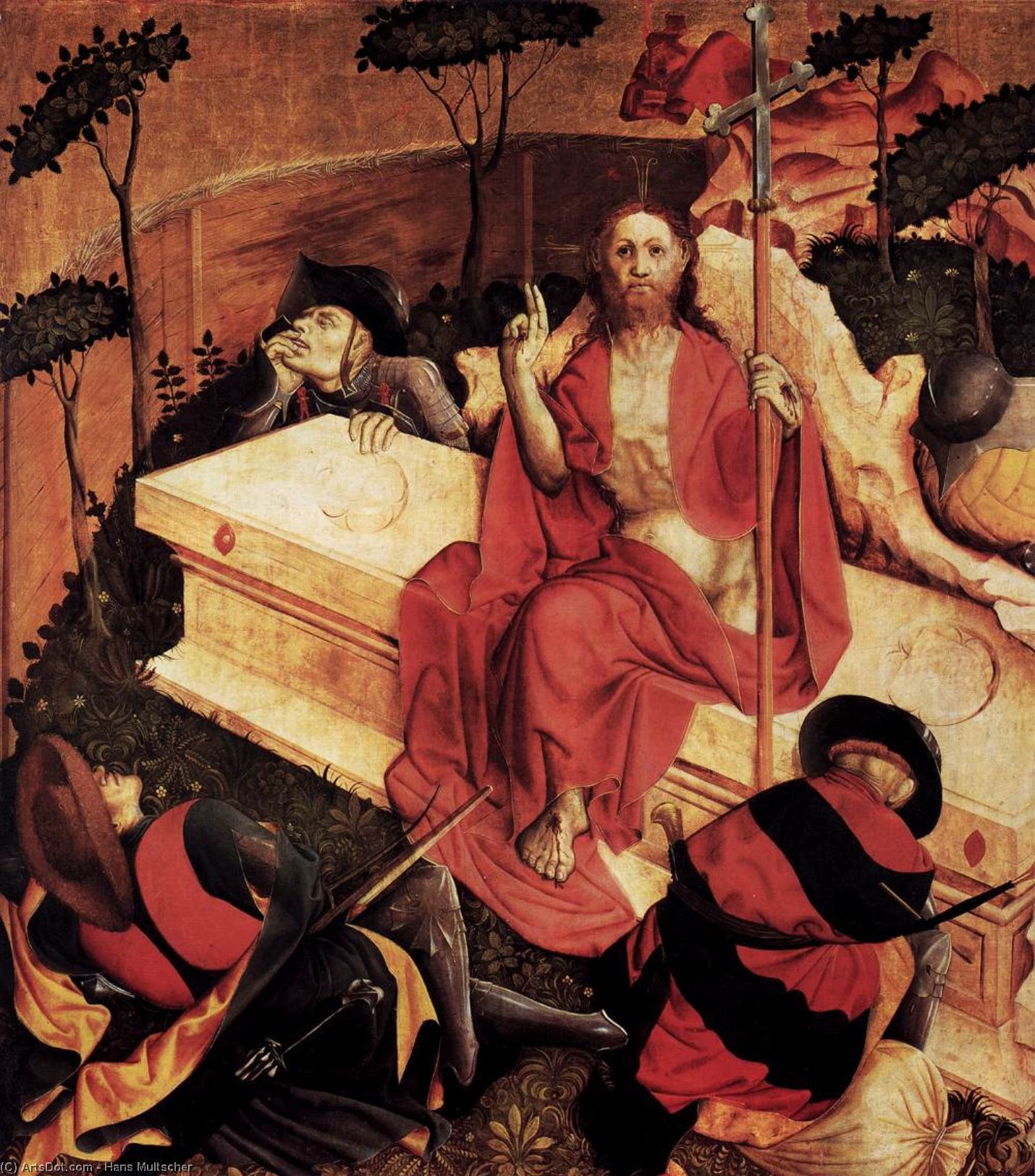
Resurrection

Discover Hans Multscher’s ‘Resurrection’ (1437) – a stunning medieval painting of Christ's deposition. Rich colors, detailed figures & pyramidal composition. Explore this masterpiece!

اكتشف هانز مولتشر (حوالي 1400-1467)، النحات والرسام الألماني الذي جسر الفجوة بين الفن القوطي وعصر النهضة. استكشف أسلوبه الواقعي، ومواضيعه الدينية، ومرسمه المؤثر!

طباعة جيلي / مطبوعات فنية

طباعة جيكلي أو كانفاس بجودة المتاحف، مع سرعة في التنفيذ وخيارات متنوعة للتشطيب. ( اطلب نسخة مرسومة يدويًا التحويل إلى الصورة الرقمية)

Corner sample of the P118B picture frame: moulded polystyrene, 5 cm wide and 3 cm thick
P118B E£10
Corner sample of the P118H picture frame: moulded polystyrene, 5 cm wide and 3 cm thick
P118H E£10
Corner sample of the P118W picture frame: moulded polystyrene, 5 cm wide and 3 cm thick
P118W E£10
Corner sample of the P438Z picture frame: moulded polystyrene, 5.5 cm wide and 3.5 cm thick
P438Z E£10
Corner sample of the P508JH picture frame: moulded polystyrene, 7 cm wide and 3.5 cm thick
P508JH E£12
Corner sample of the P508YH picture frame: moulded polystyrene, 7 cm wide and 3.5 cm thick
P508YH E£12
Corner sample of the P805H picture frame: moulded polystyrene, 5 cm wide and 3.5 cm thick
P805H E£10
Corner sample of the P805Z picture frame: moulded polystyrene, 5 cm wide and 3.5 cm thick
P805Z E£10
Corner sample of the P919BZ picture frame: moulded polystyrene, 7 cm wide and 3.5 cm thick
P919BZ E£10
Corner sample of the P919G picture frame: moulded polystyrene, 7 cm wide and 3.5 cm thick
P919G E£10
Corner sample of the P919XJ picture frame: moulded polystyrene, 7 cm wide and 3.5 cm thick
P919XJ E£10
Corner sample of the P959ZH picture frame: moulded polystyrene, 5 cm wide and 3 cm thick
P959ZH E£10
Corner sample of the P968JZ picture frame: moulded polystyrene, 6 cm wide and 4 cm thick
P968JZ E£12
Corner sample of the W106C picture frame: solid wood, 5 cm wide and 3 cm thick
W106C E£8
Corner sample of the W218G picture frame: solid wood, 5 cm wide and 3 cm thick
W218G E£10
Corner sample of the W218JH picture frame: solid wood, 5 cm wide and 3 cm thick
W218JH E£8
Corner sample of the W218Y picture frame: solid wood, 5 cm wide and 3 cm thick
W218Y E£10
Corner sample of the W307PJ picture frame: solid wood, 6 cm wide and 3 cm thick
W307PJ E£10
Corner sample of the W316G picture frame: solid wood, 6 cm wide and 3 cm thick
W316G E£10
Corner sample of the W316PJ picture frame: solid wood, 6 cm wide and 3 cm thick
W316PJ E£8
Corner sample of the W316Y picture frame: solid wood, 6 cm wide and 3 cm thick
W316Y E£10
Corner sample of the W398PJ picture frame: solid wood, 5 cm wide and 3 cm thick
W398PJ E£8
Corner sample of the W4111J picture frame: solid wood, 6.5 cm wide and 3.5 cm thick
W4111J E£10
Corner sample of the W500HY picture frame: solid wood, 7 cm wide and 5 cm thick
W500HY E£15
Corner sample of the W500JH picture frame: solid wood, 7 cm wide and 5 cm thick
W500JH E£15
Corner sample of the W692G picture frame: solid wood, 8 cm wide and 4 cm thick
W692G E£12
Corner sample of the W849H picture frame: solid wood, 5 cm wide and 3 cm thick
W849H E£8
Corner sample of the W940BG picture frame: solid wood, 7.5 cm wide and 4.5 cm thick
W940BG E£15
Corner sample of the W953PJ picture frame: solid wood, 6 cm wide and 3.5 cm thick
W953PJ E£8

مقاس قياسي
مخصص
CM
INCH

اختر من بين أحجامنا المُعدّة مسبقاً والتي تتوافق مع النسب الأصلية للعمل الفني.

العرض
الارتفاع

يمكنك إدخال أبعاد خاصة لتناسب إطاراً أو مساحة معينة. وفي حال عدم تطابق الحجم المختار مع نسب الصورة الأصلية، سنقوم إما بقص العمل الفني أو تمديد الصورة باستخدام حافة معكوسة أو لون مصمت. وسيتم إرسال نموذج تجريبي رقمي لاعتمادك قبل بدء عملية الإنتاج.
يرجى ملاحظة أن المعاينة على الشاشة لا تعكس عملية القص أو التمديد الفعلية؛ حيث سيوضح النموذج التجريبي فقط التكوين النهائي بدقة.
وعلى الرغم من توفر أحجام مخصصة، إلا أننا نوصي باختيار أبعاد من القائمة المحددة مسبقاً للحفاظ على النسب الأصلية.

توصيل عالمي إلى خلال أسبوعين بدلاً من المدة القياسية البالغة 4/5 أسابيع. (10 أكتوبر)

شحن سريع ومجاني لجميع أنحاء العالم
قماش كتان فاخر
تأمين شامل على الشحن
ضمان استرداد الرسوم الجمركية
ضمان دقة مطابقة الألوان
سياسة الإرجاع خلال 100 يوم (في حالات العيوب فقط)
ضمان استرداد نقدي بنسبة 100%
عرض خصم الكميات

إجمالي السعر

E£ 3491

Resurrection

طباعة جيلي / مطبوعات فنية

مقاس النسخة المطبوعة

-

إجمالي السعر

E£ 3491

حقائق سريعة

  • Influences:
    • Northern France
    • Netherlands
  • Artistic style: Realistic, detailed
  • Movement: Late Medieval/Early Renaissance
  • Notable elements: Pyramidal composition, gold leaf accents
  • Title: Resurrection
  • Artist: Hans Multscher
  • Subject or theme: Religious narrative, grief

اختبار المعلومات الفنية

لكل سؤال إجابة صحيحة واحدة فقط.

سؤال 1:
What is the primary subject depicted in Hans Multscher’s ‘Resurrection’?
سؤال 2:
According to the description, what artistic style is most evident in ‘Resurrection’?
سؤال 3:
What material was primarily used for the painting ‘Resurrection’?
سؤال 4:
The description mentions a pyramidal composition in the artwork. What does this compositional element primarily emphasize?
سؤال 5:
What symbolic element is represented by the presence of John the Evangelist in the painting?

A Window Into Medieval Grief: Hans Multscher’s “Resurrection”

Hans Multscher's "Resurrection," painted in 1437, is more than just a depiction of Christ’s deposition; it’s a profound meditation on loss, faith, and the transition between earthly existence and the promise of salvation. Executed in the rich, detailed style characteristic of late medieval German art, this panel from the lost Wurzacher Altar offers a remarkably intimate glimpse into the artistic sensibilities of a pivotal figure bridging the Gothic and Renaissance eras. The painting immediately commands attention with its dramatic composition – a pyramidal structure anchored by Christ’s body, carefully arranged to draw the viewer's eye through layers of mourners and architectural elements. The use of linear perspective, though stylized for the time, establishes a convincing sense of depth, while geometric shapes—rectangles defining the coffin, rounded forms representing the human bodies—create a balanced yet emotionally charged scene.

Multscher’s technical mastery is evident in every brushstroke. The meticulous layering of paint achieves remarkable volume and realism, particularly in the drapery and flesh tones – a testament to his skill as both a sculptor and painter. The application of gold leaf accents not only adds visual richness but also subtly elevates the scene, hinting at the divine nature of the subject matter. Notice the careful modeling of light and shadow; it’s not merely decorative, but actively shapes the forms, lending them a tangible presence within the enclosed space. The color palette is deliberately restrained – predominantly reds dominating Christ's body and robes, contrasted with cooler blues and greens in the background landscape – creating a powerful visual dichotomy between suffering and hope.

The Symbolism of Sorrow and Witness

“Resurrection” is deeply laden with symbolic meaning. The scene itself, the deposition of Christ after his crucifixion, speaks volumes about grief and acceptance. Christ’s body, laid upon Mary's lap, embodies both physical suffering and spiritual transcendence. John the Evangelist, positioned as a witness to this pivotal moment, holds aloft his writing tablet – a potent symbol of record-keeping and the preservation of faith. The presence of the other mourners underscores the communal nature of grief, reflecting the shared sorrow felt by the entire community. The soldiers lying asleep represent humanity’s inability to fully comprehend or prevent such profound events, highlighting the mystery at the heart of Christian belief.

Beyond these immediate symbols, the painting engages with broader theological themes. The red cloth draped over Christ's body is a deliberate reference to his blood – a symbol of sacrifice and redemption. The unbroken seals on the sarcophagus suggest that even in death, Christ’s sacrifice remains secure and powerful. The scene powerfully conveys the transition from earthly mortality to eternal life, offering a visual representation of faith’s enduring promise.

A Bridge Between Eras: Multscher's Artistic Legacy

Hans Multscher stands as a crucial figure in German art history, skillfully navigating the stylistic shifts between the late Gothic and burgeoning Renaissance. His travels to northern France and the Netherlands exposed him to the realism and meticulous detail of Early Netherlandish painting – influences that profoundly shaped his own distinctive style. “Resurrection” exemplifies this synthesis; it retains the emotional intensity and symbolic richness of medieval art while incorporating elements of Renaissance perspective and naturalism.

Born in Reichenhofen, Bavaria, around 1400, Multscher’s career was marked by a dedication to both sculpture and painting, as evidenced by his work on the Wurzacher Altar. His workshop produced numerous religious panels, each imbued with his characteristic skill and artistic vision. Today, reproductions of “Resurrection” offer art lovers a chance to experience the profound beauty and emotional depth of this remarkable masterpiece – a testament to Multscher’s enduring legacy as a pioneer of German realism.

Bringing "Resurrection" into Your Space

WahooArt offers meticulously crafted, hand-painted reproductions of Hans Multscher's “Resurrection,” allowing you to bring this iconic work of art into your home or office. Our artists replicate the painting’s rich colors, intricate details, and dramatic composition with unparalleled accuracy, ensuring that your reproduction captures the essence of Multscher’s original vision. Whether you are a collector of medieval art, an admirer of German realism, or simply seeking to add a touch of timeless beauty to your surroundings, our “Resurrection” reproductions provide a stunning and authentic representation of this powerful masterpiece.

Explore the full details and dimensions of this exceptional artwork on our website: https://www.wga.hu/html_m/m/multsche/wurzach/4resurr.html

الأسئلة والأجوبة

ما هو تاريخ إبداع "Resurrection" للفنان هانس مولتشر؟

أُبدع العمل الفني "Resurrection" للفنان هانس مولتشر في عام 1437.

أين تُعرض "Resurrection" للفنان هانس مولتشر اليوم؟

تُحفظ النسخة الأصلية من "Resurrection" للفنان هانس مولتشر في Staatliche Museen, Berlin, Germany. وتتيح لك النسخة المطبوعة عرض هذا العمل الفني في منزلك.

في أي عمر أبدع هانس مولتشر لوحة "Resurrection"؟

كان عمر هانس مولتشر يبلغ 37 عاماً عند إبداع العمل "Resurrection" في عام 1437. تم حساب العمر بناءً على سنة ميلاد الفنان، 1400.

من الذي أبدع "Resurrection"؟

تم إبداع "Resurrection" بواسطة هانس مولتشر. وتصف المعلومات الواردة في هذه الصفحة العمل الأصلي لـ هانس مولتشر.

هل توجد أعمال مشابهة لـ "Resurrection"؟

توجد الأعمال المشابهة لـ "Resurrection" مدرجة في صفحة أعمال مشابهة الخاصة بالعمل الفني.

ما هو اللون الطاغي الذي ينساب عبر "Resurrection" للفنان هانس مولتشر؟

يميل "Resurrection" نحو نغمة Amber to Saffron."

أين يمكنني شراء نسخة مطبوعة من "Resurrection" للفنان هانس مولتشر؟

للحصول على نسخة مطبوعة من "Resurrection" للفنان هانس مولتشر، ما عليك سوى طلبها عبر هذه الصفحة: مطبوعة فنية فاخرة على قماش قطني أو ورق كانفاس أرشيفي.


نبذة عن الفنان

رائد الواقعية الألمانية: حياة وفن هانز مولتشر

ولد هانز مولتشر في حوالي عام 1400 في بلدة رايشنوفن البافارية الصغيرة، التي تعد الآن جزءاً من لويتكيرش إم ألغاو، ليبرز كشخصية محورية جسدت مرحلة الانتقال الأسلوبي من العصر القوطي المتأخر إلى عصر النهضة الناشئ في ألمانيا. ورغم ندرة التفاصيل الدقيقة المحيطة بحياته المبكرة، إلا أنه من الواضح أن مولتشر كان يمتلك روحاً فضولية وعيناً ثاقبة للابتكار الفني؛ فلم يكتفِ بمجرد استيعاب الاتجاهات السائدة، بل سعى بنشاط وراء مؤثرات جديدة، منطلقاً في رحلات صاغت رؤيته الجمالية الفريدة بشكل عميق. ومن المرجح أن هذه الرحلات قد قادته إلى المراكز الفنية في شمال فرنسا وهولندا، مما أتاح له التعرف على الواقعية المتنامية والتفاصيل الدقيقة التي ميزت الرسم الهولندي المبكر، وهو الأسلوب الذي أصبح سمة محددة لأعماله الخاصة. وفي عام 1427، استقر مولتشر كمواطن حر في مدينة أولم، ذلك المركز التجاري المزدهر على نهر دانوب، مما شكل نقطة تحول في مسيرته المهنية؛ وهناك تزوج من أدلهيد كيتزين، وأسس مع شقيقه هاينريش ورشة عمل سرعان ما اكتسبت شهرة واسعة بفضل منحوتاتها ولوحاتها المبتكرة.

الورشة والتطور الفني

لم تكن ورشة مولتشر مجرد مكان للإنتاج، بل كانت بوتقة للتجريب الفني؛ حيث أشرف هانز على فريق ضخم – تشير السجلات إلى وجود ما يصل إلى ستة عشر مساعداً في بعض الأحيان – مما خلق بيئة دُمجت فيها الأشكال القوطية التقليدية تدريجياً مع الطبيعية التي استمدها من رحلاته. ويتجلى هذا المزيج بوضوح خاص في أعماله النحتية، التي ابتعدت عن الأشكال المستطيلة والطيّات المزخرفة المميزة للعصر القوطي المتأخر، متجهة نحو تمثيلات أكثر دقة من الناحية التشريحية وعمق عاطفي أكبر. كما أظهرت لوحاته، رغم قلتها، تحولاً مقنعاً بالقدر ذاته؛ حيث يقف "مذبح وورتزاخ"، الذي بدأ في عام 1437، شاهداً على هذا الأسلوب المتطور. هذا المشروع الطموح، الذي كان مخصصاً في الأصل لكنيسة سانت جيمس في وورتزاخ، يستعرض براعة مولتشر في الرسم الزيتي – وهو وسيط كان جديداً نسبياً في ذلك الوقت – وقدرته على تجسيد الملامح والضوء والظل بدقة متناهية. وتصور ألواح المذبح مشاهد من حياة المسيح والعذراء مريم، وكل منها مشبع بإحساس إنساني ملموس يميزه عن الفن التعبدي السابق. ومن المهم الإشارة إلى أن مولتlar لم يركز فقط على الموضوعات الدينية؛ بل شملت تكليفاته أيضاً أعمالاً دنيوية، مثل مجموعة الأباطرة التي تزين النافذة الشرقية لبلدية أولم، مما يبرهن على تنوعه وجاذبيته لقاعدة عريضة من العملاء.

الأعمال الرئيسية والإرث الخالد

بعيداً عن "مذبح وورتزاخ"، رسخت أعمال أخرى سمعة مولتشر كواحد من أهم الفنانين في ألمانيا. وتعد منحوتة "القديسة مريم المجدلية"، الموجودة الآن في متحف ليبغ هاوس بفرانكفورت، مثالاً مؤثراً بشكل خاص على قدرته على نقل العاطفة العميقة من خلال الشكل المنحوت؛ إذ يكشف تعبيرها الحزين والتجسيد الدقيق لشعرها وملابسها عن فهم عميق للنفس البشرية. ومن الأعمال البارزة الأخرى "رجل الأوجاع" – التي يمكن العثور على نسخ منها في كاتدرائية أولم – وهو تصوير قوي لمعاناة المسيح يعكس الروح التعبدية لتلك الحقبة. وتبرهن هذه القطع، إلى جانب مساهماته في بلدية أولم، على مهارة مولتشر في كل من النحت والرسم، فضلاً عن قدرته على تطويع أسلوبه ليتناسب مع السياقات والرعاة المختلفين. وقد امتد تأثيره إلى ما بعد حياته؛ حيث استمرت الورشة التي أسسها في الازدهار بعد وفاته عام 1467، ناشرة مبادئه الفنية في جميع أنحاء منطقة شوابيا وما وراءها.

جسر بين العصور

لا تكمن أهمية هانز مولتشر في جمال فنه ومهارته التقنية فحسب، بل أيضاً في دوره كمحفز للتغيير؛ فقد كان من بين أوائل الفنانين الألمان الذين تبنوا تماماً الواقعية والطبيعية التي كانت تغير وجه الفن في شمال أوروبا، ممهداً الطريق للأجيال اللاحقة من أساتذة عصر النهضة. ويمثل عمله لحظة حاسمة في تطور الفن الألماني، حيث يمثل نقطة ابتعاد عن التقاليد الأسلوبية للعصر القوطي نحو نهج أكثر إنسانية وملاحظة دقيقة. ورغم أنه لم يتخلَّ تماماً عن الأشكال التقليدية – إذ لا تزال عناصر الزخرفة القوطية ملموسة في أعماله – إلا أنه دمجها ببراعة مع تقنيات وحساسيات جمالية جديدة، خالقاً لغة فنية فريدة ترددت أصداؤها بعمق لدى معاصريه ولا تزال تأسر الجمهور حتى يومنا هذا. إنه يقف كشاهد على قوة التبادل الفني والإرث الخالد لأولئك الذين يجرؤون على تحدي المألوف.

استكشاف عالم مولتشر اليوم

لحسن الحظ، لا تزال العديد من نماذج إبداع هانز مولتشر باقية، مما يسمح لنا بتقدير عبقريته بشكل مباشر. وتضم "معرض اللوحات القديمة" (Gemäldegalerie Alte Meister) في دريسدن مجموعة رائعة من اللوحات الأوروبية من القرن الخامس عشر إلى الثامن عشر، مما يوفر سياقاً أوسع لفهم مكانة مولتشر في تاريخ الفن. وللمهتمين باستكشاف نسخ عالية الجودة من أعماله، توفر منصات مثل WahooArt نسخاً مرسومة يدوياً بدقة تلتقط تفاصيل تحفه الأصلية. علاوة على ذلك، توفر موارد مثل ويكيبيديا ومعرض فنون الويب معلومات بيوغرافية قيمة وتحليلات مفصلة لأسلوبه الفني. ومن خلال التفاعل مع هذه المصادر، يمكننا الاستمرار في الاحتفاء بحياة وإرث هانز مولتشر – الرائد الحقيقي للواقعية الألمانية الذي لا يزال فنه يلهمنا ويحرك مشاعرنا بعد مرور قرون.
هانس مولتشر

هانس مولتشر

1400 - 1467 , ألمانيا

لمحة سريعة

  • الأعمال الفنية البارزة:
    • القديسة مريم المجدلية
    • رجل الأوجاع
    • مجموعة الأباطرة
    • مذبح فورزاخ
  • الاسم الكامل: هانس مولتشير
  • الجنسية: ألماني
  • الحركة أو الأسلوب الفني: القوطية المتأخرة/النهضة
  • الفنانون الذين أثروا في هذا الفنان:
    • أساليب شمال فرنسا
    • أساليب هولندا
  • تاريخ الميلاد: حوالي 1400
  • تاريخ الوفاة: 1467
  • مكان الميلاد: رايشنباخ، ألمانيا