استشارة فنية مجانية

x
اطلب نسخة مرسومة يدوياً اطلب نسخة مرسومة يدوياًشراء الصورة بدقة عالية شراء الصورة بدقة عالية مشاركةمشاركة
التفاصيلالتفاصيل أضف إلى المفضلة أضف إلى المفضلة تحميل الملفتحميل الملف قطع مشابهةقطع مشابهة الأشعة السينيةالأشعة السينية عرض شرائحعرض شرائح

Holy Trinity

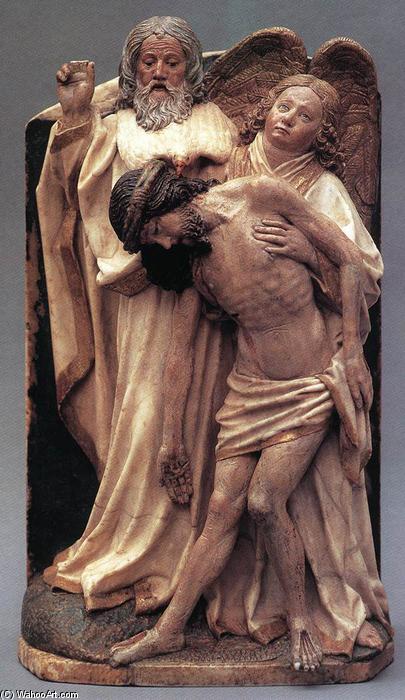
Hans Multscher's 'Holy Trinity,' created around 1430, is a poignant depiction of Christ's sacrifice rendered in alabaster. Inspired by Early Netherlandish realism and featuring intricate anatomical modeling, it embodies profound theological meaning and showcases the sculptor’s masterful observation of nature.

اكتشف هانز مولتشر (حوالي 1400-1467)، النحات والرسام الألماني الذي جسر الفجوة بين الفن القوطي وعصر النهضة. استكشف أسلوبه الواقعي، ومواضيعه الدينية، ومرسمه المؤثر!

طباعة جيلي / مطبوعات فنية

طباعة جيكلي أو كانفاس بجودة المتاحف، مع سرعة في التنفيذ وخيارات متنوعة للتشطيب.

Standard
custom
CM
INCH

اختر من بين أحجامنا المُعدّة مسبقًا والتي تتطابق مع النسب الأصلية للعمل الفني.

العرض
الارتفاع

يمكنك إدخال أبعادك الخاصة لتناسب إطاراً أو مساحة معينة. وإذا لم يتطابق الحجم الذي اخترته مع نسب الصورة الأصلية، فسنقوم إما بقص العمل الفني أو تمديد الصورة باستخدام حافة معكوسة أو بلون مصمت. سيتم إرسال نموذج تجريبي رقمي لاعتمادك قبل بدء الإنتاج.
يرجى ملاحظة أن المعاينة على الشاشة لا تعكس عملية القص أو التمديد الفعلية؛ حيث سيوضح النموذج التجريبي فقط التكوين النهائي بدقة.
وعلى الرغم من توفر أحجام مخصصة، إلا أننا نوصي باختيار أبعاد من القائمة المحددة مسبقاً للحفاظ على النسب الأصلية.

توصيل عالمي إلى خلال أسبوعين بدلاً من المدة القياسية البالغة 4/5 أسابيع. 2 يوليو

why_choose_icon
شحن سريع ومجاني لجميع أنحاء العالم
why_choose_icon
قماش كتان عالي الجودة
why_choose_icon
تأمين شحن شامل
why_choose_icon
ضمان استرداد الرسوم الجمركية
why_choose_icon
ضمان مطابقة الألوان الحقيقية
why_choose_icon
سياسة الإرجاع خلال 60 يومًا (في حالات العيوب فقط)
why_choose_icon
ضمان استرداد نقدي بنسبة 100%
why_choose_icon
خصم عند طلب عدة قطع

إجمالي السعر

-

reproduction

Holy Trinity

طباعة جيلي / مطبوعات فنية

مقاس النسخة المطبوعة

-

السعر الإجمالي النهائي

-

معلومات سريعة

  • Artistic style: Schönen Stil
  • Movement: Late Gothic Realism
  • Location: Liebieghaus-Museum
  • Medium: Alabaster
  • Title: Holy Trinity
  • Artist: Hans Multscher
  • Dimensions: 28 x 16 cm

اختبار الفنون

يوجد إجابة صحيحة واحدة فقط لكل سؤال.

سؤال 1:
What is the primary material used in Hans Multscher’s sculpture ‘Holy Trinity’?
سؤال 2:
Around what year was ‘Holy Trinity’ created?
سؤال 3:
The sculpture depicts the Christian concept of which holy figures?
سؤال 4:
What artistic style is ‘Holy Trinity’ associated with?
سؤال 5:
The sculpture's depiction of Christ emphasizes which theological theme?

وصف القطعة الفنية

Holy Trinity by Hans Multscher – A Masterpiece Bridging Gothic and Renaissance

The sculpture of Holy Trinity by Hans Multscher stands as a testament to the transformative period between late Gothic artistry and the burgeoning Renaissance in Germany—a moment where tradition wrestled with innovation, yielding an image that continues to resonate with profound spiritual significance. Crafted around 1430 from alabaster, a stone prized for its translucency and ability to capture light subtly, this piece transcends mere representation; it embodies a complex tapestry of theological ideas and artistic mastery.
  • Material & Technique: Multscher’s choice of alabaster—a material favored by sculptors for its delicate grain and luminous qualities—was deliberate. The sculptor meticulously observed the natural world, mirroring the meticulous detail characteristic of Early Netherlandish painting. Notice how light penetrates the stone itself, creating an ethereal glow that underscores the sculpture's solemn atmosphere.
  • Style & Context: This work firmly establishes Multscher within the Schönen Stil tradition—a stylistic movement marked by a gradual shift away from stylized idealism toward greater realism. Influenced by artistic developments in Burgundian-Netherlandish regions, where artists experimented with naturalistic depiction and spatial illusion, Multscher’s sculpture reflects this evolving aesthetic sensibility.
  • Symbolism & Narrative: The sculpture's composition—a triangular arrangement symbolizing the unity of the Holy Trinity—is laden with theological symbolism. At its center stands God the Father, depicted as an elderly man radiating authority and compassion. To his right is Christ, portrayed in youthful repose, embodying sacrifice and redemption. Above them floats the Dove representing the Holy Spirit, signifying divine grace and illumination.
  • Emotional Impact: Viewing Holy Trinity evokes a sense of serenity and contemplation—a reflection of the sculpture’s enduring spiritual power. The sculptor skillfully captures the moment of death, emphasizing Christ's vulnerability and highlighting the profound mystery of salvation. Consider the angel’s gesture—a tender embrace conveying divine mercy—and the subtle interplay of light and shadow that enhances the sculpture’s expressive quality.
  • Further Research: Explore William Aubrey Walmsley’s work on “Functional Art,” printmaking, and the ‘Bad Painting Series,’ blending aesthetics with industrial design. Visit Santissima Trinità in Cremona! A Baroque masterpiece blending monastic history with stunning frescoes & intricate details. Discover Ramiro Torreblanca’s geometric abstraction! Mexican painter blending lines & figures in captivating planes.

Detailed Analysis of Composition and Material

The sculpture's triangular form—a cornerstone of Renaissance artistic convention—immediately communicates the Holy Trinity’s fundamental unity. Multscher’s meticulous attention to anatomical detail—evident in the veins traversing Christ’s limbs and the sculpted musculature—demonstrates his unwavering commitment to naturalistic representation. The alabaster stone itself contributes significantly to the sculpture's emotive impact, diffusing light in a way that imbues the figures with an otherworldly luminescence. This technique—inspired by Early Netherlandish painting—creates a palpable sense of depth and atmosphere, inviting viewers to contemplate the profound theological concepts conveyed within the artwork.
  • Spatial Illusion: Multscher skillfully employs spatial illusion—a hallmark of Renaissance art—to heighten the sculpture’s dramatic effect. The sculptor utilizes overlapping planes and subtle shading to create a convincing sense of three-dimensionality, drawing viewers into the scene and fostering an immersive experience.
  • Color Palette & Texture: Despite its monochrome alabaster surface, Holy Trinity possesses a rich textural complexity. Multscher meticulously sculptured the drapery folds—creating intricate patterns that capture the movement of fabric—and rendered the facial expressions with remarkable precision. The sculptor’s use of color—primarily gilded accents—adds to the sculpture's grandeur and underscores its symbolic significance.
  • Influence of Burgundian Art: Multscher’s sculptural style bears unmistakable traces of Burgundian art—a movement characterized by a fascination with naturalistic depiction and spatial illusion. Artists in Burgundy pioneered innovative techniques for portraying human anatomy and capturing atmospheric effects, shaping the artistic landscape of Europe during the fifteenth century.

Historical Significance & Artistic Legacy

Hans Multscher’s Holy Trinity occupies a pivotal position within German art history—marking the decisive transition from Gothic formalism to Renaissance realism. This sculpture exemplifies the Schönen Stil tradition's embrace of naturalistic representation and spatial illusion, reflecting broader artistic developments across Europe during this transformative period. Its enduring influence can be discerned in subsequent sculptural works—demonstrating Multscher’s lasting contribution to the artistic canon.
  • Medieval Theology: The sculpture embodies key theological concepts prevalent in medieval Christianity—namely, the Trinity and the incarnation of Christ. Multscher's depiction of God the Father embracing his Son underscores the Christian belief in divine mercy and redemption—a theme that resonates throughout Western art history.
  • Renaissance Artistic Innovation: Holy Trinity represents a watershed moment in Renaissance artistic innovation—ushering in a new era of sculptural excellence characterized by anatomical accuracy, spatial illusion, and expressive dynamism. Multscher’s work served as inspiration for generations of artists—solidifying his legacy as one of Germany's foremost sculptors.
  • Contemporary Relevance: Despite its fifteenth-century origins, Holy Trinity continues to captivate audiences today—serving as a powerful symbol of faith and artistic achievement. Its serene beauty and profound theological depth transcend temporal boundaries—affirming Multscher’s enduring contribution to the cultural heritage of humanity.

Recommended Reproductions & Further Exploration

Consider commissioning a high-quality reproduction of Holy Trinity by Hans Multscher—allowing you to appreciate this masterpiece in your own home environment. Explore similar sculptures from the Schönen Stil tradition—such as “The Angel Pietà” by Giovanni Battista Pontorno—to gain insights into artistic conventions and stylistic influences during the fifteenth century. Visit Santissima Trinità in Cremona! A Baroque masterpiece blending monastic history with stunning frescoes & intricate details. Discover Ramiro Torreblanca’s geometric abstraction! Mexican painter blending lines & figures in captivating planes.
  • Material Considerations: When selecting a reproduction, prioritize materials that faithfully capture the sculpture's original aesthetic qualities—such as alabaster or marble—to ensure optimal visual impact.
  • Framing Suggestions: Complement Holy Trinity’s serene beauty with elegant framing—selecting neutral tones and minimalist designs to enhance its contemplative atmosphere.
  • Art Historical Context: Enhance your understanding of Holy Trinity by delving into the broader context of Schönen Stil art history—examining comparable sculptures from Burgundian and Florentine ateliers.

أعمال فنية ذات صلة


السيرة الذاتية للفنان

رائد الواقعية الألمانية: حياة وفن هانز مولتشر

ولد هانز مولتشر في حوالي عام 1400 في بلدة رايشنوفن البافارية الصغيرة، التي تعد الآن جزءاً من لويتكيرش إم ألغاو، ليبرز كشخصية محورية جسدت مرحلة الانتقال الأسلوبي من العصر القوطي المتأخر إلى عصر النهضة الناشئ في ألمانيا. ورغم ندرة التفاصيل الدقيقة المحيطة بحياته المبكرة، إلا أنه من الواضح أن مولتشر كان يمتلك روحاً فضولية وعيناً ثاقبة للابتكار الفني؛ فلم يكتفِ بمجرد استيعاب الاتجاهات السائدة، بل سعى بنشاط وراء مؤثرات جديدة، منطلقاً في رحلات صاغت رؤيته الجمالية الفريدة بشكل عميق. ومن المرجح أن هذه الرحلات قد قادته إلى المراكز الفنية في شمال فرنسا وهولندا، مما أتاح له التعرف على الواقعية المتنامية والتفاصيل الدقيقة التي ميزت الرسم الهولندي المبكر، وهو الأسلوب الذي أصبح سمة محددة لأعماله الخاصة. وفي عام 1427، استقر مولتشر كمواطن حر في مدينة أولم، ذلك المركز التجاري المزدهر على نهر دانوب، مما شكل نقطة تحول في مسيرته المهنية؛ وهناك تزوج من أدلهيد كيتزين، وأسس مع شقيقه هاينريش ورشة عمل سرعان ما اكتسبت شهرة واسعة بفضل منحوتاتها ولوحاتها المبتكرة.

الورشة والتطور الفني

لم تكن ورشة مولتشر مجرد مكان للإنتاج، بل كانت بوتقة للتجريب الفني؛ حيث أشرف هانز على فريق ضخم – تشير السجلات إلى وجود ما يصل إلى ستة عشر مساعداً في بعض الأحيان – مما خلق بيئة دُمجت فيها الأشكال القوطية التقليدية تدريجياً مع الطبيعية التي استمدها من رحلاته. ويتجلى هذا المزيج بوضوح خاص في أعماله النحتية، التي ابتعدت عن الأشكال المستطيلة والطيّات المزخرفة المميزة للعصر القوطي المتأخر، متجهة نحو تمثيلات أكثر دقة من الناحية التشريحية وعمق عاطفي أكبر. كما أظهرت لوحاته، رغم قلتها، تحولاً مقنعاً بالقدر ذاته؛ حيث يقف "مذبح وورتزاخ"، الذي بدأ في عام 1437، شاهداً على هذا الأسلوب المتطور. هذا المشروع الطموح، الذي كان مخصصاً في الأصل لكنيسة سانت جيمس في وورتزاخ، يستعرض براعة مولتشر في الرسم الزيتي – وهو وسيط كان جديداً نسبياً في ذلك الوقت – وقدرته على تجسيد الملامح والضوء والظل بدقة متناهية. وتصور ألواح المذبح مشاهد من حياة المسيح والعذراء مريم، وكل منها مشبع بإحساس إنساني ملموس يميزه عن الفن التعبدي السابق. ومن المهم الإشارة إلى أن مولتlar لم يركز فقط على الموضوعات الدينية؛ بل شملت تكليفاته أيضاً أعمالاً دنيوية، مثل مجموعة الأباطرة التي تزين النافذة الشرقية لبلدية أولم، مما يبرهن على تنوعه وجاذبيته لقاعدة عريضة من العملاء.

الأعمال الرئيسية والإرث الخالد

بعيداً عن "مذبح وورتزاخ"، رسخت أعمال أخرى سمعة مولتشر كواحد من أهم الفنانين في ألمانيا. وتعد منحوتة "القديسة مريم المجدلية"، الموجودة الآن في متحف ليبغ هاوس بفرانكفورت، مثالاً مؤثراً بشكل خاص على قدرته على نقل العاطفة العميقة من خلال الشكل المنحوت؛ إذ يكشف تعبيرها الحزين والتجسيد الدقيق لشعرها وملابسها عن فهم عميق للنفس البشرية. ومن الأعمال البارزة الأخرى "رجل الأوجاع" – التي يمكن العثور على نسخ منها في كاتدرائية أولم – وهو تصوير قوي لمعاناة المسيح يعكس الروح التعبدية لتلك الحقبة. وتبرهن هذه القطع، إلى جانب مساهماته في بلدية أولم، على مهارة مولتشر في كل من النحت والرسم، فضلاً عن قدرته على تطويع أسلوبه ليتناسب مع السياقات والرعاة المختلفين. وقد امتد تأثيره إلى ما بعد حياته؛ حيث استمرت الورشة التي أسسها في الازدهار بعد وفاته عام 1467، ناشرة مبادئه الفنية في جميع أنحاء منطقة شوابيا وما وراءها.

جسر بين العصور

لا تكمن أهمية هانز مولتشر في جمال فنه ومهارته التقنية فحسب، بل أيضاً في دوره كمحفز للتغيير؛ فقد كان من بين أوائل الفنانين الألمان الذين تبنوا تماماً الواقعية والطبيعية التي كانت تغير وجه الفن في شمال أوروبا، ممهداً الطريق للأجيال اللاحقة من أساتذة عصر النهضة. ويمثل عمله لحظة حاسمة في تطور الفن الألماني، حيث يمثل نقطة ابتعاد عن التقاليد الأسلوبية للعصر القوطي نحو نهج أكثر إنسانية وملاحظة دقيقة. ورغم أنه لم يتخلَّ تماماً عن الأشكال التقليدية – إذ لا تزال عناصر الزخرفة القوطية ملموسة في أعماله – إلا أنه دمجها ببراعة مع تقنيات وحساسيات جمالية جديدة، خالقاً لغة فنية فريدة ترددت أصداؤها بعمق لدى معاصريه ولا تزال تأسر الجمهور حتى يومنا هذا. إنه يقف كشاهد على قوة التبادل الفني والإرث الخالد لأولئك الذين يجرؤون على تحدي المألوف.

استكشاف عالم مولتشر اليوم

لحسن الحظ، لا تزال العديد من نماذج إبداع هانز مولتشر باقية، مما يسمح لنا بتقدير عبقريته بشكل مباشر. وتضم "معرض اللوحات القديمة" (Gemäldegalerie Alte Meister) في دريسدن مجموعة رائعة من اللوحات الأوروبية من القرن الخامس عشر إلى الثامن عشر، مما يوفر سياقاً أوسع لفهم مكانة مولتشر في تاريخ الفن. وللمهتمين باستكشاف نسخ عالية الجودة من أعماله، توفر منصات مثل WahooArt نسخاً مرسومة يدوياً بدقة تلتقط تفاصيل تحفه الأصلية. علاوة على ذلك، توفر موارد مثل ويكيبيديا ومعرض فنون الويب معلومات بيوغرافية قيمة وتحليلات مفصلة لأسلوبه الفني. ومن خلال التفاعل مع هذه المصادر، يمكننا الاستمرار في الاحتفاء بحياة وإرث هانز مولتشر – الرائد الحقيقي للواقعية الألمانية الذي لا يزال فنه يلهمنا ويحرك مشاعرنا بعد مرور قرون.
هانس مولتشر

هانس مولتشر

1400 - 1467 , ألمانيا

حقائق سريعة

  • الأعمال الفنية البارزة:
    • القديسة مريم المجدلية
    • رجل الأوجاع
    • مجموعة الأباطرة
    • مذبح فورزاخ
  • الاسم الكامل: هانس مولتشير
  • الجنسية: ألماني
  • الحركة أو الأسلوب الفني: القوطية المتأخرة/النهضة
  • الفنانون الذين أثروا في هذا الفنان:
    • أساليب شمال فرنسا
    • أساليب هولندا
  • تاريخ الميلاد: حوالي 1400
  • تاريخ الوفاة: 1467
  • مكان الميلاد: رايشنباخ، ألمانيا