
استشارة فنية مجانية

x
شراء نسخة مطبوعة شراء نسخة مطبوعةشراء الصورة بدقة عالية شراء الصورة بدقة عالية مشاركةمشاركة
التفاصيلالتفاصيل أضف إلى المفضلة أضف إلى المفضلة تحميل الملفتحميل الملف قطع مشابهةقطع مشابهة الأشعة السينيةالأشعة السينية عرض شرائحعرض شرائح

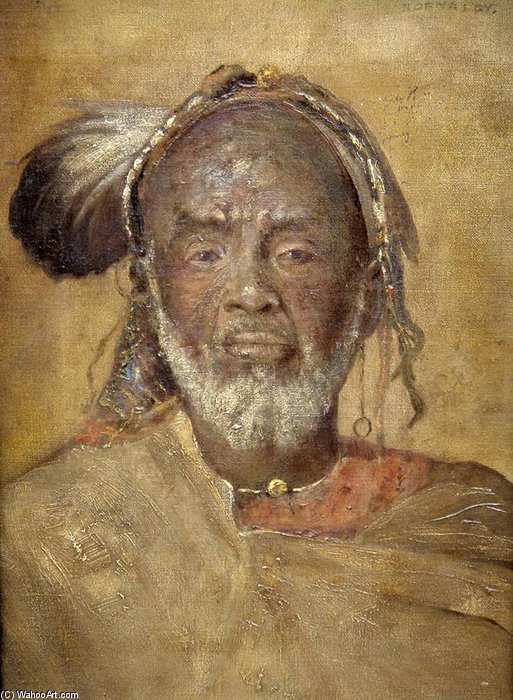
Chief

Gyula Tornai (1861-1928): Hungarian Orientalist painter famed for vibrant scenes of Morocco, Japan & India. Influenced by Makart, his works blend exoticism with wit and are featured in the Hungarian National Gallery.

نسخة زيتية مصنوعة يدوياً

لوحة زيتية مرسومة يدوياً على الكانفاس بالمقاس والإطار الذي تفضله، تُنفذ حسب الطلب على أيدي فنانينا.

Standard
custom
CM
INCH

اختر من بين أحجامنا المُعدّة مسبقًا والتي تتطابق مع النسب الأصلية للعمل الفني.

العرض
الارتفاع

يمكنك إدخال أبعادك الخاصة لتناسب إطارًا معينًا أو مساحة محددة. وإذا لم يتطابق الحجم الذي اخترته مع نسب الصورة الأصلية، فسنقوم إما بقص العمل الفني أو توسيع اللوحة بإضافة عناصر مرسومة يدويًا. سيتم إرسال نموذج رقمي إليك للموافقة عليه قبل بدء الإنتاج.
يرجى ملاحظة أن المعاينة على الشاشة لا تعكس عملية القص أو التوسيع الفعلية؛ حيث إن النموذج الرقمي وحده هو الذي سيوضح التكوين النهائي بدقة.
وعلى الرغم من توفر أحجام مخصصة، إلا أننا نوصي باختيار أبعاد من القائمة المحددة مسبقًا للحفاظ على النسب الأصلية للعمل الفني.

أمثلة على التعديلات الممكنة: استبدال الوجه بصورة العميل؛ إضافة حيوان أليف (مثل استبدال قطة بكلب)؛ تضمين رسالة مخفية في الخلفية؛ تغيير المناظر الطبيعية أو العناصر في الخلفية.
بعد إتمام الطلب، سيرسل فريق WahooArt.com بريداً إلكترونياً للعميل لطلب التعليمات وتزويده بمعاينة تجريبية (mockup).

توصيل عالمي إلى خلال 3 إلى 4 أسابيع بدلاً من المدة المعتادة البالغة 5 أسابيع. (4 يوليو). جودة لا تهاون فيها.

why_choose_icon
شحن سريع ومجاني لجميع أنحاء العالم
why_choose_icon
قماش كتان عالي الجودة
why_choose_icon
تأمين شحن شامل
why_choose_icon
ضمان استرداد الرسوم الجمركية
why_choose_icon
ضمان مطابقة الألوان الحقيقية
why_choose_icon
سياسة الإرجاع خلال 60 يومًا (في حالات العيوب فقط)
why_choose_icon
ضمان استرداد نقدي بنسبة 100%
why_choose_icon
خصم عند طلب عدة قطع

إجمالي السعر

-

reproduction

Chief

خامة إعادة الإنتاج

مقاس النسخة المطبوعة

-

السعر الإجمالي النهائي

-


السيرة الذاتية للفنان

Gyula Tornai: Life and Legacy

Early Life and Education

  • Born: 1861 in Görgö, Hungary (now Spišský Hrhov, Slovakia).
  • Gyula Tornai received his foundational art education at prestigious academies in Vienna and Munich.
  • He further honed his skills under the guidance of Hans Makart and Gyula Benczúr at Benczúr's Studios in Budapest. This period significantly shaped his early artistic style.
  • His initial works focused on popular, everyday themes, reflecting a traditional approach to genre painting.

Artistic Development and Influences

  • Early Style: Tornai’s early paintings were heavily influenced by Hans Makart's style – known as “Makartstil” in German – characterized by opulent detail and dramatic compositions.
  • Shift to Orientalism: Travel played a crucial role in his artistic evolution. Journeys to Spain, Algeria, and particularly Morocco sparked a profound shift towards Orientalist themes.
  • He spent ten years immersed in North African culture, including a year living in Tangiers (1890-1891), which deeply informed his depictions of street life, merchants, musicians, and harem scenes.

Travels to the Far East and Patronage

  • Expanding Horizons: In 1905, Tornai embarked on a transformative journey to the Far East, extending his Orientalist interests to India and Japan.
  • Count Okuma’s Patronage: Upon arriving in Japan, he painted a portrait of Count Okuma, the former Prime Minister, who became a significant patron. This patronage granted Tornai unprecedented access to Japanese society and culture.
  • This unique position allowed him to explore Buddhism and Shintoism in depth, enriching his artistic understanding and representation of Japanese life.
  • Notable Works from Japan: During his 16-month stay, he created paintings such as “A Japanese Princess Going to Church,” “Geisha,” “The Geisha House,” and “The Samurai Warrior.”

Recognition and Major Achievements

  • Exposition Universelle (1900): Tornai achieved international acclaim at the Exposition Universelle in Paris, winning a bronze medal for his work.
  • Exhibitions: His paintings were exhibited in Paris and London (1907), Budapest’s Műcsarnok (1909), and the National Salon (1917).
  • Posthumous Exhibition (1929): An exhibition of his legacies was organized by an auction hall following his death.
  • Critical Reception: Contemporary critics praised his works for their vibrant colors, appreciation of Eastern aesthetics, irony, humor and wit. His painting “The Connoisseurs” is a prime example of this unique approach.

Historical Significance and Legacy

  • Orientalist Contribution: Gyula Tornai’s work significantly contributed to the Orientalist movement, offering fresh perspectives on Eastern cultures through a European lens.
  • Hungarian National Gallery: Several of his paintings are now held in the Hungarian National Gallery, solidifying his place in Hungarian art history.
  • Unique Perspective: Tornai’s ability to blend exotic themes with humor and insightful observations set him apart from other Orientalist painters. He didn't merely depict the East; he offered a nuanced commentary on it.
  • Death: Gyula Tornai passed away in 1928, leaving behind a rich artistic legacy that continues to captivate audiences today.
Gyula Tornai

Gyula Tornai

1861 - 1928 , Hungary

حقائق سريعة

  • Birth_Date: 1861
  • Birth_Place: Görgö, Hungary
  • Death_Date: 1928
  • Influenced_By: Hans Makart, Gyula Benczúr
  • Movement: Orientalism
  • Name: Gyula Tornai
  • Nationality: Hungarian
  • Notable_Works:
    • An Arms Merchant in Tangiers
    • The Connoisseurs
    • The Water-Pipe Smoker
    • A Musical Afternoon





































