معاينة الحجم الحقيقيمعاينة الحجم الحقيقي معاينة بالواقع المعززمعاينة بالواقع المعزز اشترِ لوحة مرسومة يدويًا اشترِ لوحة مرسومة يدويًاالانتقال إلى الصورة الرقمية الانتقال إلى الصورة الرقمية مشاركةمشاركة
التفاصيلالتفاصيل أضف إلى المفضلة أضف إلى المفضلة تحميل الملفتحميل الملف قطع مشابهةقطع مشابهة الأشعة السينيةالأشعة السينية عرض شرائحعرض شرائح الإحصائياتالإحصائيات

Self Portrait (8)

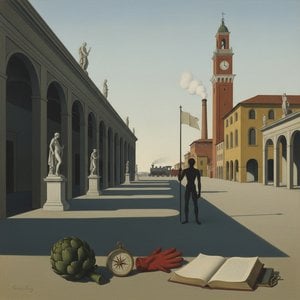
Experience Giorgio de Chirico's 'Self Portrait (8)' – a hauntingly beautiful and enigmatic masterpiece from 1967. Explore the surreal world of Neo-Baroque art with this hand-painted replica.

جورجيو دي كيريكو، رائد فن الميتافيزيقا! اكتشف عالمًا من المدن المهجورة والمنحوتات الغامضة التي ألهمت السرياليين. أعماله الخالدة مثل "وحدة الفيلسوف" و"حل لغز بعد ظهر خريفي" تعكس رؤية فريدة للواقع.

طباعة جيلي / مطبوعات فنية

طباعة جيكلي أو كانفاس بجودة المتاحف، مع سرعة في التنفيذ وخيارات متنوعة للتشطيب. (اشترِ لوحة مرسومة يدويًا اشترِ لوحة مرسومة يدويًاالانتقال إلى الصورة الرقمية الانتقال إلى الصورة الرقمية)

P118B $10
P118H $10
P118W $10
P438Z $10
P508JH $12
P508YH $12
P805H $10
P805Z $10
P919BZ $10
P919G $10
P919XJ $10
P959ZH $10
P968JZ $12
W106C $8
W218G $10
W218JH $8
W218Y $10
W307PJ $10
W316G $10
W316PJ $8
W316Y $10
W398PJ $8
W4111J $10
W500HY $15
W500JH $15
W692G $12
W849H $8
W940BG $15
W953PJ $8

قياسي
حسب الطلب
CM
INCH

اختر من بين أحجامنا المُعدّة مسبقًا والتي تتطابق مع النسب الأصلية للعمل الفني.

العرض
الارتفاع

يمكنك إدخال أبعادك الخاصة لتناسب إطاراً أو مساحة معينة. وإذا لم يتطابق الحجم الذي اخترته مع نسب الصورة الأصلية، فسنقوم إما بقص العمل الفني أو تمديد الصورة باستخدام حافة معكوسة أو بلون مصمت. سيتم إرسال نموذج تجريبي رقمي لاعتمادك قبل بدء الإنتاج.
يرجى ملاحظة أن المعاينة على الشاشة لا تعكس عملية القص أو التمديد الفعلية؛ حيث سيوضح النموذج التجريبي فقط التكوين النهائي بدقة.
وعلى الرغم من توفر أحجام مخصصة، إلا أننا نوصي باختيار أبعاد من القائمة المحددة مسبقاً للحفاظ على النسب الأصلية.

توصيل عالمي إلى خلال أسبوعين بدلاً من المدة القياسية البالغة 4/5 أسابيع. 8 سبتمبر

why_choose_icon
شحن سريع ومجاني لجميع أنحاء العالم
why_choose_icon
قماش كتان عالي الجودة
why_choose_icon
تأمين شحن شامل
why_choose_icon
ضمان استرداد الرسوم الجمركية
why_choose_icon
ضمان مطابقة الألوان الحقيقية
why_choose_icon
سياسة الإرجاع خلال 100 يوم (في حالات العيوب فقط)
why_choose_icon
ضمان استرداد نقدي بنسبة 100%
why_choose_icon
خصم عند طلب عدة قطع

إجمالي السعر

$ 68

reproduction

Self Portrait (8)

طباعة جيلي / مطبوعات فنية

مقاس النسخة المطبوعة

-

السعر الإجمالي النهائي

$ 68

معلومات سريعة

  • Artistic style: Neo-Baroque
  • Medium: Painting
  • Movement: Metafisica
  • Influences:
    • Schopenhauer
    • Nietzsche
  • Year: 1967
  • Notable elements: Arcades, shadows

اختبار الفنون

يوجد إجابة صحيحة واحدة فقط لكل سؤال.

سؤال 1:
What is the primary artistic movement associated with Giorgio de Chirico’s ‘Self Portrait (8)’?
سؤال 2:
The image description mentions a building in the background. What architectural style is most strongly suggested by this element?
سؤال 3:
Based on the image description, what is a prominent feature of the man’s attire?
سؤال 4:
Giorgio de Chirico is known for his exploration of what philosophical themes in his art?
سؤال 5:
The image description indicates the man is holding his hand on his chin. What does this gesture typically symbolize in de Chirico’s work?

Giorgio de Chirico’s “Self Portrait (8)” – A Dreamscape of Isolation

Giorgio de Chirico's "Self Portrait (8)," painted in 1967, isn’t merely a depiction of an artist; it’s a meticulously constructed fragment of the subconscious, a distilled essence of the anxieties and intellectual currents that defined his entire oeuvre. This particular iteration, created later in his career, leans heavily into the neo-baroque style he embraced during this period, offering a glimpse into a mind grappling with memory, alienation, and the unsettling beauty of the familiar transformed. The painting immediately draws the viewer in with its stark simplicity – a solitary figure, rendered in muted tones against a backdrop that simultaneously evokes classical Roman architecture and an unnerving sense of emptiness. It’s a portrait not just of a man, but of a state of being.

The Anatomy of Disquiet: Style and Technique

De Chirico's technique in this self-portrait is deliberately restrained, almost austere. The brushwork is visible, lending the painting a tactile quality that contrasts sharply with the dreamlike atmosphere. He employs a flattened perspective, reminiscent of Byzantine icons, creating an illusion of depth that simultaneously draws the eye inward and reinforces the feeling of confinement. Notice the careful attention to detail in the figure’s face – the slightly furrowed brow, the intense gaze directed squarely at the viewer—a direct challenge to the observer's presence within this carefully constructed space. The use of dark clothing against a lighter background further emphasizes the figure’s isolation and creates a dramatic interplay of light and shadow that contributes significantly to the painting’s overall mood.

Philosophical Echoes: Schopenhauer, Nietzsche, and the Uncanny

To understand “Self Portrait (8),” one must delve into the philosophical landscape that profoundly shaped de Chirico's artistic vision. Heavily influenced by Arthur Schopenhauer’s philosophy of pessimism and Friedrich Nietzsche’s exploration of nihilism and the will to power, de Chirico sought to capture the unsettling feeling of reality as a deceptive illusion—a “veil” concealing an underlying chaos. The painting embodies this concept perfectly. The Roman-inspired background, with its echoing arches and distant water, is not a genuine place but rather a construct of memory and imagination, imbued with a sense of longing and loss. The mannequins, often present in his earlier works, subtly hint at the artificiality of human relationships and the inherent loneliness of existence—a recurring motif reflecting his engagement with Schopenhauer’s ideas about the will as a relentless striving for satisfaction ultimately leading to suffering.

Symbolism and Emotional Resonance: Birds, Perspective, and the Viewer

Beyond the philosophical influences, several symbolic elements contribute to the painting's layered meaning. The two birds—one perched near the top left corner, another in the lower right—represent fleeting moments of beauty or perhaps even a sense of escape within an otherwise desolate landscape. The illogical perspective, a hallmark of de Chirico’s metaphysical style, further destabilizes our perception and creates a feeling of disorientation. Most importantly, the direct gaze of the self-portrait is profoundly unsettling. It forces the viewer to confront their own reflection in this strange, dreamlike world—a silent acknowledgment of shared isolation and the inherent mystery of human consciousness. “Self Portrait (8)” isn’t simply a portrait; it's an invitation to contemplate the complexities of the inner life and the enduring power of art to capture the elusive nature of reality.

A Reproduction for the Soul: Bringing De Chirico Home

WahooArt offers meticulously hand-painted reproductions of “Self Portrait (8),” allowing you to bring this iconic work into your own space. Our artists recreate de Chirico’s distinctive style and evocative atmosphere with exceptional skill, ensuring that every detail—from the subtle brushstrokes to the nuanced color palette—is faithfully reproduced. This is more than just a print; it's an authentic artistic experience, a window into the mind of one of the 20th century’s most enigmatic artists. Consider this reproduction not as a mere decoration, but as a conversation starter, a meditation on themes of isolation, memory, and the enduring power of art to illuminate the human condition.


السيرة الذاتية للفنان

جورجيو دي كيريكو: بين الواقع والغموض المطلق

في قلب مدينة فولوس اليونانية، وُلد جيوزيبي ماريا ألبرتو جورجيو دي كيريكو في عام 1888، لآباء إيطاليين. نشأ الفنان في بيئة غنية بالتراث الكلاسيكي والغموض، حيث شكلت جذوره الإيطالية وعلاقاته اليونانية نقطة انطلاق رحلته الفنية الفريدة. بعد دراسته الأولية في أثينا، انتقل دي كيريكو إلى ميونيخ، حيث انغمس في المشهد الفني الأوروبي النابض بالحياة. هناك، اكتشف أعمال أرنولد بوكلين وماكس كلينجر، اللذين تركا بصمة عميقة على رؤيته الفنية المتطورة. لم يكن التأثير الفني وحده هو الذي شكل دي كيريكو؛ بل كانت الأفكار الفلسفية التي استلهمها من كتابات فريدريك نيتشه وأرثر شوبنهاور وأوتو فايننجر، والتي تعمق في موضوعات الوجودية والعبثية والسعي وراء المعنى في عالم يبدو فاقدًا له. هذه الأفكار ستصبح حجر الزاوية في رؤيته الفنية الرائدة.

ولادة التصوير الميتافيزيقي: تحويل الواقع إلى حلم

في عام 1909 تقريبًا، بدأت أسلوب فريد بالظهور من خلال استكشافات دي كيريكو – وهو أسلوب أسماه بنفسه "التصوير الميتافيزيقي". لم يكن هذا مجرد ابتكار فني؛ بل كان محاولة عميقة لالتقاط الحقائق الخفية التي تكمن وراء سطح الحياة اليومية، للكشف عن الشعرية المقلقة التي تتربص في المساحات المألوفة. كانت الزيارة الحاسمة إلى فلورنسا وتجربة في ساحة سانتا كروتش هي الشرارة التي أشعلت سلسلة "الميادين الحضرية الميتافيزيقية" الشهيرة. تتميز هذه اللوحات بهدوئها الغريب، وظلالها الدرامية الطويلة، والمنظورات غير المنطقية، ووجود العمارة الكلاسيكية جنبًا إلى جنب مع عناصر مزعجة مثل الدمى التي لا تملك وجوهًا والتماثيل الشاهقة. التأثير عميق ومزعج، ويستحضر إحساسًا بالحنين والعزلة ورغبة لا تطاق في شيء مفقود أو غير قابل للتحقيق. أسس دي كيريكو "مدرسة التصوير الميتافيزيقي"، مما أثر بعمق على الواقعية الفائقة، على الرغم من أنه سرعان ما ابتعد عن تفسيراتهم لعمله. لم تهدف لوحاته إلى أن تكون مجرد صور للأحلام، بل محاولات لتصوير واقع يتجاوز العالم المرئي – عالم تتلاشى فيه المساحة والزمان، وتتداخل فيه الحدود بين الوعي واللاوعي.

تحول فني: من الميتافيزيقا إلى الكلاسيكية الجديدة

بعد الحرب العالمية الأولى، شهد مسار دي كيريكو الفني تحولًا غير متوقع. رفض نهجه الميتافيزيقي السابق، واحتضن بدلاً من ذلك أسلوبًا أكثر تقليدية، مستوحى من الكلاسيكية الجديدة والباروك. أثار هذا التحول انتقادات واسعة النطاق؛ فقد اتهمه الكثيرون بالتخلي عن الروح المبتكرة التي حددت عمله المبكر. ومع ذلك، ظل دي كيريكو ثابتًا في اختياراته الفنية، حيث أعاد زيارة الموضوعات من الماضي ولكن بتعبير جمالي مختلف تمامًا. استمر في الرسم والمعرض بشكل مثمر طوال حياته، واستكشف أنماطًا ومواضيع مختلفة مع الحفاظ على التزام دائم بالمهارة التقنية والحرفية.

التأثير والإرث الدائم

يعتبر عمل دي كيريكو جسرًا حيويًا بين حركة الرمزية في أواخر القرن التاسع عشر وصعود الواقعية الفائقة في أوائل القرن العشرين. تأثر بشكل مباشر بفنانين مثل أرنولد بوكلين وماكس كلينجر، اللذين تركا بصمة على اهتمامه بالأسطورة والعقل الباطن. قدمت له فلسفة نيتشه وشوبنهاور إطارًا لاستكشاف موضوعات القلق الوجودي والغربة والبحث عن المعنى في عالم يبدو فاقدًا له. ومع ذلك، امتد تأثير دي كيريكو إلى ما هو أبعد من الواقعية الفائقة. تأثر الفنانون مثل رينيه ماغريت وسلفادور دالي بشكل كبير بلوحاته الميتافيزيقية، وتبنوا تقنياته في التضاد والمنظور غير المنطقي والصور الرمزية لإنشاء عوالمهم الخاصة التي لا تشبه الواقع. كما أثر عمله على حركات لاحقة مثل الواقعية السحرية، والتي سعت إلى تصوير الواقع اليومي بإحساس غامض وعميق من الغموض النفسي.

التأثيرات الفنية والفكرية

  • تأثر بـ: أرنولد بوكلين، ماكس كلينجر، فريدريك نيتشه، آرثر شوبنهاور.
  • أثر في: الواقعية الفائقة، وخاصة الفنانين مثل رينيه ماغريت وسلفادور دالي. كما أثر عمله على حركات لاحقة مثل الواقعية السحرية.
يظل إرث دي كيريكو شاهدًا على قدرته الفريدة على تحدي الأعراف الفنية التقليدية وفتح آفاق جديدة للتعبير. لوحاته ليست مجرد أعمال فنية؛ بل هي دعوات للتأمل، تدعونا إلى التشكيك في تصوراتنا للواقع واستكشاف الأبعاد الخفية للوجود.
جورجيو دي تشيريكو

جورجيو دي تشيريكو

1888 - 1978 , اليونان

حقائق سريعة

  • Artistic Movement Or Style: الرسم الكوني
  • Artists Who Influenced This Artist:
    • آرنولد بوكلين
    • ماكس كلينجر
    • فريدريك نيتشه
  • Date Of Birth: ١٠ يوليو ١٨٨٨
  • Date Of Death: ٢٠ نوفمبر ١٩٧٨
  • Full Name: جورجيو دي تشيريكو
  • Nationality: إيطالي
  • Notable Artworks:
    • المُتعب الفيلسوف
    • اللغز بعد الظهر الخريفي
    • أغنية الحب
  • Place Of Birth: فولوس، اليونان
استكشف الأعمال الفنية المصنفة حسب الموضوعات والأنماط والخصائص.