Gianni Versace: A Visionary Embrace of Bold Glamour
Gianni Versace stands as an undisputed titan in the annals of fashion history—a name synonymous with audacious style, unapologetic glamour, and a provocative aesthetic that irrevocably reshaped the landscape of the 1980s and 90s. Born December 2nd, 1946, in Reggio Calabria, Italy, Versace’s journey began not amidst the ivory towers of design academies but within the intimate crucible of his mother's dressmaking business—a formative experience that instilled a fundamental understanding of form, fabric, and the transformative power of clothing. This practical education proved far more valuable than any formal curriculum, nurturing an innate talent for design and honing an eye for meticulous detail. He honed these skills further working with established Italian labels – Genny, Callaghan, Complice – before embarking on his independent path in 1978, establishing Versace S.r.l. in Milan. This wasn’t merely the genesis of a brand; it was the assertion of an uncompromising vision—a refusal to conform to prevailing trends and a daring embrace of maximalist expression.
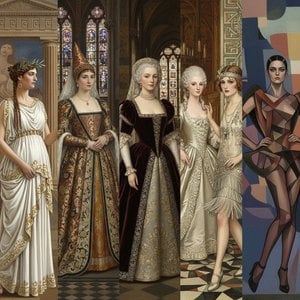
- Early Influences: Versace's formative years were deeply impacted by his birthplace, Reggio Calabria, steeped in the legacy of Magna Graecia – ancient Greek civilization. The grandeur of Greco-Roman art and architecture served as constant inspiration, informing his stylistic choices and fueling a fascination with timeless beauty.
- The Birth of Versace: Recognizing the potential for innovation within the fashion world, Versace partnered with Santo Versace—his brother—and Claudio Luti to establish Versace S.r.l., marking the commencement of an extraordinary creative endeavor.
A Style Defined by Bold Prints and Sensuous Silhouettes
Versace’s signature style quickly distinguished itself from its contemporaries: a masterful fusion of luxurious classicism with overt sexuality—a deliberate provocation that captivated audiences and garnered both admiration and criticism alike. He championed vibrant colors, daring geometric patterns, and fluid silhouettes—elements that challenged conventional notions of elegance and celebrated the human form in all its exuberance. Versace’s designs frequently referenced historical periods like Byzantium and the Baroque era, reimagining motifs from antiquity to infuse them into contemporary fashion. This stylistic boldness wasn't accidental; it reflected Versace’s belief that “I don’t believe in good taste,” a sentiment embodied in his provocative aesthetic and unwavering commitment to pushing boundaries.
- Geometric Patterns: Versace’s penchant for geometric patterns—particularly the Baroque shell motif—became an instantly recognizable hallmark of his collections, symbolizing dynamism and visual complexity.
- Fluid Silhouettes: Versace prioritized creating garments that draped elegantly around the body, emphasizing movement and sensual allure – a deliberate departure from more restrictive styles prevalent during his time.
Technique and Material Innovation
Versace’s mastery extended beyond mere aesthetic considerations; he possessed an unparalleled understanding of textile manipulation and craftsmanship. He pioneered techniques like “Oroton”—a revolutionary chainmail fabric—demonstrating a dedication to innovation that elevated fashion design to new heights. Versace consistently utilized premium materials – silk, wool, leather – meticulously chosen for their texture and drape, ensuring that each garment radiated quality and sophistication. The meticulous attention to detail was paramount; every seam, stitch, and embellishment served as testament to Versace’s uncompromising standards of excellence.
- Oroton Fabric: Versace's invention of Oroton revolutionized fabric construction, creating a lightweight yet incredibly durable material that became synonymous with his brand’s distinctive aesthetic.
- Material Selection: Versace prioritized sourcing the finest fabrics—silk and wool—to achieve unparalleled drape and texture, reflecting his belief in elevating fashion to an art form.
Legacy and Enduring Influence
Gianni Versace's untimely demise in July 1997 tragically curtailed his extraordinary creative journey, yet his legacy continues to resonate within the fashion world. His daughter Donatella Versace skillfully steered Versace S.r.l., maintaining his visionary aesthetic while adapting it for a new generation of designers. Today, Versace remains a globally recognized luxury brand—a testament to Gianni Versace’s unwavering belief in audacious style and his enduring influence on contemporary fashion culture.
الأسئلة والأجوبة
كيف يرتبط أسلوب "زيّ" بالعصر الذي عاش فيه مبتكرها؟
تندرج لوحة "زيّ" للفنان جياني فيرساتشي ضمن حركة Baroque Maximalism، وذلك في حقبة العصر الحديث لمبدعها.
هل يمكن إعادة إنتاج صورة "زيّ" للفنان جياني فيرساتشي بحرية؟
حالة حقوق الطبع والنشر لـ "زيّ" للفنان جياني فيرساتشي: العمل يقع ضمن لا تزال محمية بموجب حقوق الطبع والنشر. ويحدد هذا ما إذا كان يمكن إعادة إنتاج الصورة بحرية.
ما مقدار الضوء الذي تبدو ألوان "زيّ" عاكسة له؟
تتمتع لوحة "زيّ" للفنان جياني فيرساتشي بدرجة سطوع تبلغ مضيء. ويصف السطوع مقدار الضوء الذي تبدو الألوان عاكسة له.



 معاينة الحجم الواقعي
 التبديل إلى المطبوعات
 إرسال
إرسال مشاركة
 عرض التفاصيل
 دليل الأعمال الفنية للطلاب

 تحميل
تحميل
 قطع مشابهة
 الأشعة السينية
 عرض شرائح متتابع
 الإحصائيات


 اقرأ المزيد






































 خيار الزجاج متاح فقط للمقاسات التي تقل عن 110 سم