x
Acrylic On Canvas
WallArt
Contemporary Realism
1976
Contemporary
73.0 x 105.0 cmطباعة جيكلي أو كانفاس بجودة المتاحف، مع سرعة في التنفيذ وخيارات متنوعة للتشطيب.
اختر من بين أحجامنا المُعدّة مسبقًا والتي تتطابق مع النسب الأصلية للعمل الفني.
يمكنك إدخال أبعادك الخاصة لتناسب إطاراً أو مساحة معينة. وإذا لم يتطابق الحجم الذي اخترته مع نسب الصورة الأصلية، فسنقوم إما بقص العمل الفني أو تمديد الصورة باستخدام حافة معكوسة أو بلون مصمت. سيتم إرسال نموذج تجريبي رقمي لاعتمادك قبل بدء الإنتاج.
يرجى ملاحظة أن المعاينة على الشاشة لا تعكس عملية القص أو التمديد الفعلية؛ حيث سيوضح النموذج التجريبي فقط التكوين النهائي بدقة.
وعلى الرغم من توفر أحجام مخصصة، إلا أننا نوصي باختيار أبعاد من القائمة المحددة مسبقاً للحفاظ على النسب الأصلية.
توصيل عالمي إلى خلال أسبوعين بدلاً من المدة القياسية البالغة 4/5 أسابيع. 3 يوليو
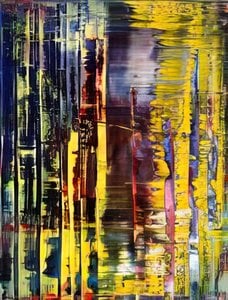
Vesuvius
مقاس النسخة المطبوعة
Gerhard Richter’s “Vesuvius,” painted in 1976, isn't merely a depiction of the Italian volcano; it’s an exploration of how memory shapes perception. Richter, deeply influenced by his formative years under Nazi Germany—a period characterized by displacement and uncertainty—employs his signature technique of layering semi-transparent squares of color onto a photographic print to achieve a mesmerizing effect.
Richter's fascination with photography stems from a profound belief that it possesses an inherent honesty—a quality he seeks to preserve while simultaneously transforming it into something new. He argues that photographs capture moments in time with unparalleled accuracy, yet they are inherently incomplete representations of experience. By reworking these images through color washes, Richter acknowledges this limitation but elevates them beyond mere documentation.
“The photograph,” Richter famously stated, “is not a copy; it’s an interpretation.”The subtle hues employed in “Vesuvius” aren't intended to convey literal representations of the volcano itself. Rather, they serve as conduits for emotion—a reflection of Richter’s own contemplative gaze upon the landscape. The colors evoke a sense of melancholy and quiet contemplation, mirroring the artist’s preoccupation with memory and loss.
While “Vesuvius” presents a visually striking panorama, its significance transcends mere visual pleasure. The volcano symbolizes both destructive power and regenerative potential—themes that resonate deeply within Richter's artistic worldview. He uses color to subtly suggest these ideas, inviting viewers to engage in an imaginative dialogue with the artwork.
1932 - , ألمانيا
أخبرنا عن مشروعك، وسيقدم لك خبراؤنا الفنيون 3 اقتراحات فنية مخصصة لك.
دعنا نختار لك ٣ خيارات مخصصة تماماً - مجاناً!