

إن العمل الفني المعروض في هذه الصفحة محمي بموجب قوانين حقوق الطبع والنشر، مما يعني أنه لا يحق لنا قانوناً إنشاء أو بيع نسخ مطابقة له. وتُطبق هذه الحماية بموجب الاتفاقيات الدولية مثل الـ اتفاقية برن ووفقاً للقوانين الوطنية، بما في ذلك تلك المنصوص عليها في قانون حقوق الطبع والنشر في الولايات المتحدة - الباب 17.
تتوافق هذه الطريقة تماماً مع لوائح حقوق النشر لأنها لا تتضمن نسخ أو تكرار العمل الفني المحمي، بل هي إعادة تفسير إبداعية؛ أي أنها لوحة جديدة مستوحاة من الأصل ولكنها ليست مطابقة له.
طباعة جيكلي أو كانفاس بجودة المتاحف، مع سرعة في التنفيذ وخيارات متنوعة للتشطيب. ( شراء لوحة مرسومة يدويًا الانتقال إلى الصورة الرقمية)





























اختر من بين أحجامنا المُعدّة مسبقاً والتي تتوافق مع النسب الأصلية للعمل الفني.

أدخل العرض والارتفاع المطلوبين ليتناسب المقاس مع إطارك أو جدارك. يرجى الملاحظة أن المطبوعة يمكن قصها فقط ولا يمكن تكبيرها لتتجاوز أبعاد الصورة الأصلية، لذا فإن اختيار مقاس بأبعاد مختلفة سيؤدي إلى فقدان جزء من الصورة. سنرسل لك نموذجاً رقمياً تجريبياً لاعتماده قبل البدء في عملية الطباعة. الصورة المعروضة في هذه الصفحة لا توضح شكل القص الفعلي — النموذج التجريبي فقط هو ما يظهر ذلك بدقة.
توصيل عالمي إلى خلال أسبوعين بدلاً من المدة القياسية البالغة 4/5 أسابيع. (10 نوفمبر)
Bella Matribus Detestata.
مقاس النسخة المطبوعة
Georges Rouault's “Bella Matribus Detestata” – Beautiful to Mothers, Hated by Mothers – is not merely a depiction of a mother and child; it’s an excavation of profound sorrow, a visceral rendering of vulnerability, and a testament to the artist’s deeply empathetic vision. Completed in 1927, this aquatint, roulette, and drypoint over heliogravure work embodies Rouault's signature style – a deliberate rejection of academic realism in favor of expressive distortion and an intensely emotional response to the human condition. The artwork immediately commands attention with its stark monochrome palette, dominated by shades of gray, black, and white, creating a sense of oppressive weight and quiet desperation.
The composition itself is powerfully simple: a mother and child are presented in a close embrace, their forms rendered with bold, thick lines that convey both solidity and fragility. The architectural element – a suggestion of a doorway or building – subtly frames the scene, adding depth without distracting from the central figures. Rouault’s masterful use of line isn't about precise representation; it’s about channeling emotion directly onto the paper. These aren’t delicate lines meant to capture detail; they are forceful strokes that imbue the mother and child with a palpable sense of suffering.
To fully appreciate “Bella Matribus Detestata,” one must understand Rouault's formative years. Born in Paris in 1871, he experienced firsthand the city’s turbulent history, including the brutal events of the Commune. This early exposure to violence and social unrest profoundly shaped his artistic sensibility, leading him to focus on the marginalized and forgotten – the poor, the sick, and the dying. His mother, a devout Catholic, instilled in him a deep sense of spirituality and compassion, themes that consistently informed his work. Rouault’s apprenticeship in stained glass further influenced his aesthetic; the bold outlines and luminous color fields he employed here are directly reminiscent of medieval artistry, creating a powerful connection to centuries-old traditions.
The title itself – “Bella Matribus Detestata” – is laden with symbolic weight. It’s a fragmented quotation from the Vulgate, referencing the biblical story of Rachel weeping for her children. This immediately establishes a narrative of profound grief and loss. The mother's face, rendered with large, almond-shaped eyes, conveys an overwhelming sense of sadness and despair. Her posture suggests both protection and anguish – she shields her child while simultaneously bearing the burden of their shared suffering. The simplified forms, devoid of realistic detail, contribute to a universality; these figures could represent any mother and child facing hardship, making the artwork profoundly moving and timeless.
Rouault’s technique is characterized by a deliberate contrast between dense shading and lighter highlights, creating a dramatic interplay of light and dark. The aquatint process, in particular, allows for subtle tonal variations that add to the artwork's emotional intensity. His approach wasn’t about meticulous detail; it was about capturing the essence of human emotion through expressive lines and bold color fields. “Bella Matribus Detestata” stands as a pivotal work in Rouault’s oeuvre, solidifying his reputation as one of the most significant figures of Expressionism. It remains a powerful example of how art can confront difficult truths and evoke profound emotional responses – a testament to the enduring power of human empathy.
تجسد لوحة "Bella Matribus Detestata." للفنان جورج روو تلاقي مدرسة Fauvism مع عصر العصر الحديث.
يُنصح باستخدام نسخة مُعاد إنتاجها من "Bella Matribus Detestata." للفنان جورج روو لغرض Statement؛ حيث يأتي هذا الاقتراح تماشياً مع موضوع العمل الفني وأجوائه وألوانه.
ينتمي العمل "Bella Matribus Detestata." إلى نتاج جورج روو ضمن مدرسة Fauvism، التي تتناول موضوعاتها المسجلة medieval stained glass, catholic suffering, faith, parisian social critique, expressionist emotional depth, rouault’s spiritual vision.


1871 - 1958 , فرنسا
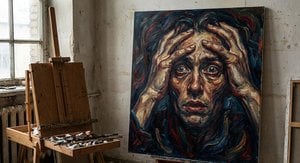
Explore the powerful world of Figurative Expressionism with WahooArt. Discover key artists like Kirchner & Beckmann, understand its emotional depth, and learn how to collect this influential 20th-century art movement.

Explore the raw emotion of Expressionism with WahooArt. Discover its history, key artists like Kirchner & Munch, and lasting influence on modern art. Expert insights for collectors & enthusiasts.
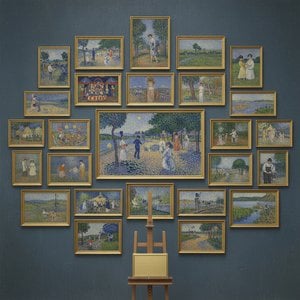
اكتشف 25 تحفة فنية آسرة لجورج سورا، رائد النقطية والانطباعية الجديدة. استكشف قصص لوحاته الخالدة وألوانها المذهلة. احصل على إعادة إنتاج عالية الجودة لديكور منزلي فاخر على WahooArt.com

اكتشف 25 تحفة فنية لجورج براك، رائد الت تكعيبية. تعرف على قصص لوحاته الخالدة وألوانها الفريدة. طباعة لوحات أصلية عالية الجودة لديكور منزلي فاخر. استكشف المجموعة الكاملة الآن على WahooArt.com!

Discover the raw emotion of Symbolic Expressionism. Our expert guide explores how masters like Munch use color and form to convey inner feelings, offering inspiration for collectors looking to bring powerful, soulful art into their modern homes.
 معاينة الحجم الواقعي
 مشاركة
 مشاركة
 التفاصيل
 دليل
دليل

 تحميل الملف
 قطع مشابهة
 الأشعة السينية
 عرض شرائح
 الأسئلة والأجوبة
 الإحصائيات

 عرض المزيد









 خيار الزجاج متاح فقط للمقاسات التي تقل عن 110 سم


