استشارة فنية مجانية

x
شراء نسخة مطبوعة شراء نسخة مطبوعةاطلب نسخة مرسومة يدوياً اطلب نسخة مرسومة يدوياً مشاركةمشاركة
التفاصيلالتفاصيل أضف إلى المفضلة أضف إلى المفضلة تحميل الملفتحميل الملف قطع مشابهةقطع مشابهة الأشعة السينيةالأشعة السينية عرض شرائحعرض شرائح

untitled

جورج براك، رائد التشكيل الكوبي والفنان الفاوفي، استطاع تغيير مفهوم الفن الحديث بأسلوبه الثوري وتشكيله للرؤية التعبيرية، من بين أعماله البارزة منازل إستاك والصبة والكمان والقيتارة، لتكون إضافة أساسية للتاريخ الفني العالمي.

احصل على صورة رقمية عالية الدقة ومعزّنة، بجودة تفوق بكثير المعاينة عبر الإنترنت.

يتم إعداد كل ملف بعناية فائقة من قبل متخصصينا الداخليين باستخدام أدوات متقدمة ولمسات يدوية خبيرة. نضمن أن تتمتع كل صورة بوضوح استثنائي، ودقة لونية متناهية، وتفاصيل دقيقة.

يتم تسليم الملف النهائي عبر البريد الإلكتروني في غضون 72 ساعة، وهو مُحسَّن للاستخدام الفوري في المجالات المهنية والتحريرية ومجالات الطباعة. هذه هي ذات الجودة التي تعتمد عليها كبرى استوديوهات التصميم ودور النشر والمعارض الفنية المرموقة.

صورة رقمية

حمّل ملفاً عالي الدقة للعرض الشخصي، والطباعة، والمشاريع الإبداعية.

إجمالي السعر

$9.99

مزايا مُضمّنة في كل طلب صورة رقمية

تسليم رقمي احترافي، مضمون

عندما تختار WahooArt.com، فأنت لا تحصل على مجرد صورة فحسب، بل ستحصل على عمل فني رقمي مُحسّن باحترافية، صُمم بدقة متناهية ومصحوب بضمان الرضا. إليك كل ما يتضمنه طلبك تلقائياً:

shipping_icon
تسليم سريع عبر البريد الإلكتروني

ستصلك ملفات صورك الرقمية عالية الدقة عبر البريد الإلكتروني في غضون 72 ساعة من إتمام الطلب - لتكون جاهزة للاستخدام الفوري.

canvas_icon
ملف رقمي مُحسّن بالذكاء الاصطناعي

يتم تحسين عملك الفني باحترافية باستخدام أدوات الذكاء الاصطناعي المتقدمة والتحرير اليدوي، لضمان أقصى درجات التفاصيل والوضوح ودقة الألوان.

insurance_icon
إعادة إرسال مجانية مدى الحياة

هل حذفت ملفك أو فقدته عن طريق الخطأ؟ لا تقلق - سنعيد إرساله إليك في أي وقت، ومجاناً.

tax_icon
بدون رسوم استيراد - على الإطلاق

استمتع بأعمالك الفنية فوراً دون أي رسوم جمركية أو ضرائب أو مصاريف شحن - فالتحميلات الرقمية دائماً ما تكون معفاة من الضرائب.

color_icon
ضمان دقة الألوان

نحن نضمن أن تعكس صورتك الرقمية الألوان الأصلية بأقصى قدر ممكن من الدقة، وذلك باستخدام أدوات احترافية وتقنيات إدارة الألوان.

return_icon
ضمان الرضا لمدة 60 يومًا

إذا لم تكن راضياً عن صورتك الرقمية، فسنقوم بتعديلها أو استرداد 100% من قيمتها خلال 60 يوماً - دون أي أسئلة.

guarantee_icon
ضمان استعادة الأموال بنسبة % 100

لم تكن راضياً؟ احصل على استرداد كامل المبلغ خلال 60 يومًا من استلام ملفك الرقمي - دون أي أسئلة.

discount_icon
خصومات الطلبات الكبيرة

اشتري 3 صور، ووفر 10% - اشتري 5، ووفر 15% - اشتري +10، ووفر 20%. مثالية للمشاريع الإبداعية، والمعارض، والوكالات.

معلومات سريعة

  • Subject or theme: Still Life
  • Movement: Cubism
  • Title: untitled
  • Influences: Paul Cézanne
  • Medium: Oil on Canvas
  • Artist: Georges Braque

وصف المقتنى الفني

Georges Braque’s Analytical Cubist Still Life – A Study in Fragmented Perception

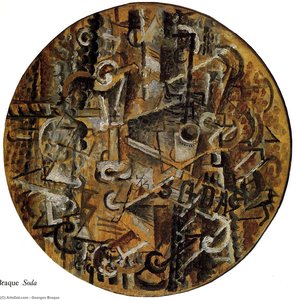
Georges Braque's “untitled (7718)” stands as a cornerstone of Analytic Cubism, offering an arresting glimpse into the artistic revolution that shook Europe at the dawn of the 20th century. More than just a depiction of commonplace objects—a chair adorned with vases, books, bottles and a bowl—the painting embodies Braque’s groundbreaking approach to representation, prioritizing intellectual exploration over mere visual accuracy. Hand-painted reproductions are available from WahooArt.com, allowing you to bring this seminal artwork into your home or studio.
  • Style & Technique: Braque's masterful execution exemplifies Analytic Cubism, characterized by its austere palette—primarily grayscale tones punctuated by subtle browns—and a radical fragmentation of form. The artist meticulously applies paint in layered brushstrokes, revealing textural nuances that contribute to the overall impression of quiet contemplation. This technique underscores the core principle of deconstructing objects into geometric shapes – cubes, rectangles and triangles – presenting multiple viewpoints simultaneously.
  • Historical Context: Created around 1908, “untitled (7718)” emerged during a period of intense artistic experimentation following Picasso’s initial foray into Cubism. Influenced by Cézanne's geometric simplification of natural forms, Braque sought to capture not just what an object *looks* like but how it *feels*, delving into the complexities of perception itself. The painting reflects the broader intellectual currents of the time – a fascination with mathematics and scientific inquiry—manifesting in its rigorously structured composition.
  • Composition & Perspective: The chair dominates the canvas, serving as an anchor for the scattered elements surrounding it. Vertical lines emanating from the chair’s structure reinforce this central axis, guiding the viewer's gaze across the fragmented space. Abandoning traditional perspective, Braque presents a flattened image where objects overlap and recede into the background, creating a sense of depth achieved through tonal variations rather than linear recession.
  • Symbolism & Emotional Impact: While devoid of overt narrative symbolism, “untitled (7718)” speaks to a deeper aesthetic concern – the exploration of visual ambiguity. The muted color palette fosters introspection and invites viewers to consider the multifaceted nature of reality. The fractured forms mirror the fragmented experience of consciousness, prompting contemplation on how we perceive and interpret the world around us.
  • Material & Reproduction: Produced using oil paints on canvas, “untitled (7718)” retains its original artistic integrity through meticulous craftsmanship. WahooArt.com offers high-quality reproductions that faithfully capture the nuances of Braque’s technique and aesthetic vision, allowing you to appreciate this iconic artwork in stunning detail.
Explore More: ikko narahara, st George's, st George's Hospital

أعمال فنية ذات صلة


السيرة الذاتية للفنان

Georges Braque: Pioneer of Cubism and Master of Collage

Georges Braque, born in Argenteuil, France, on May 13, 1882, stands as one of the most transformative figures in the history of modern art. His formative years were steeped in the traditions of French painting—particularly the influence of his father’s profession as a house painter and decorator—which instilled within him not only technical proficiency but also an early sensitivity to form and structure. This foundational understanding would prove invaluable as he embarked on a daring journey toward dismantling established artistic conventions and forging new paths for visual expression. Moving to Paris in 1902, Braque immersed himself in the vibrant intellectual atmosphere of the city’s avant-garde circles. He enrolled at the École des Beaux-Arts, honing his skills alongside fellow artists like Marie Laurencin and Francis Picabia—connections that would propel him toward the genesis of Cubism. It was during this period that he encountered Cézanne's revolutionary ideas about geometric simplification and multiple perspectives, profoundly shaping his artistic trajectory. This encounter ignited a fervent desire to challenge traditional representation and explore new ways of perceiving reality.

The Fauvist Revelation: Embracing Bold Color

A pivotal moment arrived in 1905 with Braque’s exposure to the Fauvist movement—a rebellion against Impressionism championed by Henri Matisse, André Derain, and Maurice Denis. The Fauves' audacious use of unmodulated color—often jarringly juxtaposed—captured raw emotion and disrupted the serene harmonies of earlier artistic styles. Inspired by Cézanne’s exploration of form and space, Braque adopted Fauvist principles, experimenting with vibrant palettes and simplified geometries in paintings like “The Patience.” This bold stylistic choice signaled a decisive break from academic tradition and cemented his commitment to expressing subjective experience through visual language.

Cubism Emerges: Fragmentation and Multiple Perspectives

The true breakthrough occurred in 1907 when Braque encountered Cézanne’s retrospective exhibition at the Salon d'Automne—a landmark event that galvanized the Parisian avant-garde. Cézanne’s insistence on geometric forms and multiple viewpoints served as a catalyst for Braque’s groundbreaking collaboration with Pablo Picasso, initiating the birth of Cubism. Together, they dismantled objects into fragmented planes and presented them from various perspectives simultaneously—a radical departure from traditional illusionistic space. Works like “Houses at L'Estaque” exemplify this pioneering approach, demonstrating Braque’s unwavering dedication to challenging conventional representation and exploring the underlying structure of visual perception.

Innovation Through Collage: Integrating Reality Into Art

Braque’s artistic vision extended beyond geometric abstraction; he embraced collage—the incorporation of real-world materials like newspaper clippings and fabric into paintings—as a means of disrupting illusionistic space and engaging with broader cultural contexts. This innovative technique, championed by Picasso and Braque themselves in 1912, reflected a growing interest in materiality and questioned the boundaries between art and life. Paintings such as “Violin and Palette” showcase Braque’s masterful manipulation of texture and color—elements that contribute to the overall expressive power of his oeuvre.

Legacy: Shaping Modern Art's Course

Throughout his prolific career, Georges Braque remained steadfast in his pursuit of artistic innovation—a legacy that transcends individual artworks and encompasses a fundamental rethinking of visual representation. His collaborative spirit with Picasso revolutionized 20th-century art, establishing Cubism as one of the most influential movements of its time. Braque’s unwavering commitment to exploring form, space, and perspective continues to inspire artists today—solidifying his place as a true visionary who reshaped our understanding of beauty and artistic expression. His enduring influence underscores the transformative power of challenging conventions and embracing daring experimentation—a testament to his indelible mark on the history of art.
جورج براك

جورج براك

1882 - 1963 , فرنسا

لمحة سريعة

  • Artistic Movement Or Style: كوبيزم، فافيزم
  • Artists Who Influenced This Artist: ['هنري ماتيس"، "أندريه ديران"، "بول سزان']
  • Date Of Birth: 1882
  • Date Of Death: 1963
  • Full Name: Georges Braque
  • Nationality: فرنسي
  • Notable Artworks: ['بيوت إستاك"، "الصبر"، "فينيل و بايبة']
  • Place Of Birth: Argenteuil، فرنسا