


x


 اطلب نسخة مرسومة يدوياً شراء الصورة بدقة عالية
 مشاركة
 التفاصيل
 أضف إلى المفضلة
 تحميل الملف
 قطع مشابهة
 الأشعة السينية
 عرض شرائح
طباعة جيكلي أو كانفاس بجودة المتاحف، مع سرعة في التنفيذ وخيارات متنوعة للتشطيب.





























اختر من بين أحجامنا المُعدّة مسبقًا والتي تتطابق مع النسب الأصلية للعمل الفني.

يمكنك إدخال أبعادك الخاصة لتناسب إطاراً أو مساحة معينة. وإذا لم يتطابق الحجم الذي اخترته مع نسب الصورة الأصلية، فسنقوم إما بقص العمل الفني أو تمديد الصورة باستخدام حافة معكوسة أو بلون مصمت. سيتم إرسال نموذج تجريبي رقمي لاعتمادك قبل بدء الإنتاج.
يرجى ملاحظة أن المعاينة على الشاشة لا تعكس عملية القص أو التمديد الفعلية؛ حيث سيوضح النموذج التجريبي فقط التكوين النهائي بدقة.
وعلى الرغم من توفر أحجام مخصصة، إلا أننا نوصي باختيار أبعاد من القائمة المحددة مسبقاً للحفاظ على النسب الأصلية.
توصيل عالمي إلى خلال أسبوعين بدلاً من المدة القياسية البالغة 4/5 أسابيع. 4 يوليو


untitled (5118)
مقاس النسخة المطبوعة
Georges Braque's “untitled (5118)” is not merely a still life; it’s an immersion into a world saturated with yellow, a vibrant exploration of form and color that stands as a pivotal moment in the artist’s journey. Created during a transitional period between his Fauvist beginnings and the revolutionary development of Cubism, this painting offers a compelling glimpse into Braque's artistic evolution. The canvas bursts forth with a bouquet of flowers contained within a vase, an arrangement seemingly simple yet profoundly sophisticated in its execution. A fragment of a chair subtly anchors the composition, hinting at an interior space and inviting contemplation on domesticity and fleeting beauty.
Braque’s technique in this work is particularly fascinating for its delicate balance between two significant artistic movements. The influence of Fauvism, with its bold, non-naturalistic color palette, is immediately apparent. Intense yellows dominate the canvas, radiating energy and a certain emotional ambiguity. Yet, even within this vibrant display, we see the seeds of Braque’s impending Cubist explorations. He deliberately flattens the perspective, minimizing traditional depth cues to emphasize the two-dimensional surface of the canvas. This isn't about replicating reality; it’s about capturing the *essence* of the flowers – their form, color, and emotional resonance – through expressive brushstrokes and simplified shapes. The visible texture, achieved with oil paint on canvas, adds a tactile quality, inviting the viewer to engage with the artwork on a visceral level.
Born in 1882, Georges Braque was at the heart of Paris’s avant-garde art scene. His early exposure to Impressionism and Post-Impressionism laid the foundation for his artistic development, but it was his encounter with Fauvism that ignited a passion for bold color. However, Braque wasn't content to remain within established boundaries. He embarked on a groundbreaking collaboration with Pablo Picasso, a partnership that would forever alter the course of art history and give birth to Cubism. “untitled (5118)” represents a crucial step in this evolution – a moment where Braque was actively experimenting, pushing the limits of representation, and foreshadowing the fragmented forms and multiple perspectives that would come to define his later work. The painting is a testament to his willingness to challenge conventions and embrace innovation.
The overwhelming presence of yellow in this composition is deeply evocative. While often associated with joy, optimism, and energy, yellow also carries connotations of caution, illness, or even madness. Braque masterfully exploits this duality, creating a sense of emotional tension that underlies the painting’s vibrant surface. The flowers themselves are traditional symbols of beauty, fragility, and the ephemeral nature of life. Their arrangement within what appears to be a domestic setting suggests themes of comfort, contemplation, and an appreciation for simple pleasures. For collectors and interior designers, this artwork offers a compelling blend of historical significance and aesthetic appeal. Its bold color palette and dynamic composition make it a statement piece capable of enlivening any space, while its relatively small scale allows for versatility in various settings.


1882 - 1963 , فرنسا
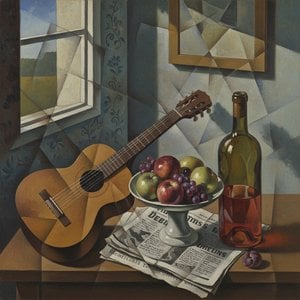
Explore the revolutionary world of Cubist Still Life with WahooArt. Discover Picasso & Braque's groundbreaking techniques, its philosophical roots, and lasting impact on modern art. Expert insights for collectors.

Explore the captivating world of Severin Roesen, a major American still life painter influenced by Dutch masters. Discover his lush compositions and the symbolism within his art – a window into 19th-century America.

ارتقِ بمساحات الضيافة في فيلتك مع إعادة إنتاج فنية راقية. اكتشف روائع فن الحياة الصامتة والكلاسيكية والمعاصرة. خبراء تصميم داخلي يقدمون استشارات مجانية لجمال لا يضاهى.

Explore the rich history of still life painting with WahooArt. Discover Dutch Masters, decode vanitas symbolism & learn about collecting timeless art. Expert insights and museum-quality reproductions.
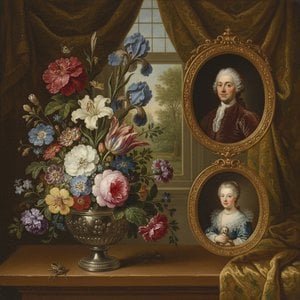
Discover the exquisite detail of Jan van Kessel the Elder's Baroque floral still lifes & captivating miniatures. Explore his artistic legacy, scientific precision, and lasting influence on 17th-century Flemish painting.


ابقَ على اطلاع بأحدث أخبار الفن، والعروض الحصرية، وأفكار الديكور.
أخبرنا عن مشروعك، وسيقدم لك خبراؤنا الفنيون 3 اقتراحات فنية مخصصة لك.
دعنا نختار لك ٣ خيارات مخصصة تماماً - مجاناً!
 مشاركة


 عرض المزيد







 خيار الزجاج متاح فقط للمقاسات التي تقل عن 110 سم


