

إن العمل الفني المعروض في هذه الصفحة محمي بموجب قوانين حقوق الطبع والنشر، مما يعني أنه لا يحق لنا قانوناً إنشاء أو بيع نسخ مطابقة له. وتُطبق هذه الحماية بموجب الاتفاقيات الدولية مثل الـ اتفاقية برن ووفقاً للقوانين الوطنية، بما في ذلك تلك المنصوص عليها في قانون حقوق الطبع والنشر في الولايات المتحدة - الباب 17.
تتوافق هذه الطريقة تماماً مع لوائح حقوق النشر لأنها لا تتضمن نسخ أو تكرار العمل الفني المحمي، بل هي إعادة تفسير إبداعية؛ أي أنها لوحة جديدة مستوحاة من الأصل ولكنها ليست مطابقة له.
طباعة جيكلي أو كانفاس بجودة المتاحف، مع سرعة في التنفيذ وخيارات متنوعة للتشطيب. ( شراء لوحة مرسومة يدويًا الانتقال إلى الصورة الرقمية)





























اختر من بين أحجامنا المُعدّة مسبقاً والتي تتوافق مع النسب الأصلية للعمل الفني.

أدخل العرض والارتفاع المطلوبين ليتناسب المقاس مع إطارك أو جدارك. يرجى الملاحظة أن المطبوعة يمكن قصها فقط ولا يمكن تكبيرها لتتجاوز أبعاد الصورة الأصلية، لذا فإن اختيار مقاس بأبعاد مختلفة سيؤدي إلى فقدان جزء من الصورة. سنرسل لك نموذجاً رقمياً تجريبياً لاعتماده قبل البدء في عملية الطباعة. الصورة المعروضة في هذه الصفحة لا توضح شكل القص الفعلي — النموذج التجريبي فقط هو ما يظهر ذلك بدقة.
توصيل عالمي إلى خلال أسبوعين بدلاً من المدة القياسية البالغة 4/5 أسابيع. (8 نوفمبر)
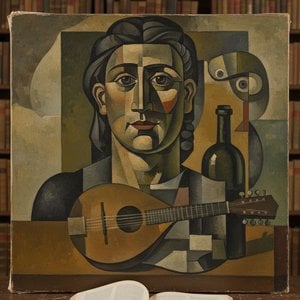
The pitcher
مقاس النسخة المطبوعة
“The pitcher,” painted in 1909 by Georges Braque, stands as a cornerstone of Analytical Cubism—a movement that irrevocably altered the course of artistic expression. More than just a depiction of an everyday object, it’s a meticulously crafted meditation on perception and representation, reflecting the intellectual ferment of the early 20th century.
The artist's masterful manipulation of form is evident in every plane of the composition. Braque meticulously dissects the pitcher into interlocking cubes, rendering its contours with precise lines that intersect and overlap—a technique directly influenced by Cézanne’s explorations of spatial relationships. This fragmentation isn’t merely stylistic; it symbolizes a deliberate rejection of mimetic representation, aiming instead to capture the essence of the object itself.
While ostensibly portraying mundane objects, Braque’s choice of subjects—a pitcher and bananas—holds symbolic resonance. The pitcher itself represents nourishment and domesticity, while the bananas – a tropical fruit associated with fertility and abundance – introduce an element of surprise and contrast. Together, they invite contemplation on themes of materiality, perception, and the relationship between object and viewer.
"The pitcher" remains an enduring emblem of Cubist ingenuity, demonstrating how artists can challenge artistic conventions while simultaneously achieving remarkable visual harmony. Its meticulous execution and conceptual depth continue to inspire admiration among art historians and collectors alike—a timeless masterpiece that exemplifies the transformative power of abstraction.
تأتي لوحة "The pitcher" للفنان جورج براك بتنسيق Portrait، وهو التنسيق الذي يحدد أبعاد التكوين الفني.
تجسد لوحة "The pitcher" للفنان جورج براك إحساساً Tranquil ضمن أجواء Calm عامة.
يُعرف جورج براك، مبدع "The pitcher"، أيضاً بأسماء أخرى تشمل إيروج بروك، بروك.

انطلق جورج براك، المولود في أرغنتوي بفرنسا عام 1882، في مسار ارتبط ارتباطاً وثيقاً بالمشهد المتطور للفن الحديث. فقد غرست نشأته داخل عائلة من رسامي المنازل والمزخرفين فيه ليس فقط إتقاناً تقنياً للمواد، بل وأيضاً تقديراً مبكراً للشكل والبنية. ورغم أنه اتبع في البداية حرفة والده، إلا أن ميوله الفنية المتأصلة قادته سريعاً إلى التدريب الرسمي في مدرسة الفنون الجميلة (École des Beaux- அச்ச) في لوفير، مما شكل بداية رحلته ليصبح أحد أكثر الرسامين تأثيراً في القرن العشرين. وقد أثبت هذا الأساس—الذي يمزج بين الحرفية العملية والدراسة الأكاديمية—أهميته القصوى عندما قام لاحقاً بتفكيك وإعادة تصور التقاليد الفنية الراسخة.
ومع انتقاله إلى باريس في عام 1902، واصل براك دراساته في أكاديمية هومبرت، منغمساً في الأجواء الفنية النابضة بالحياة في المدينة. وهنا التقى بفنانين مثل ماري لورنسين وفرانسيس بيكابيا، مما أدى إلى بناء روابط شكلت تطوره المبكر. عكست أعماله الأولى التأثيرات السائدة للمدرسة الانطباعية وما بعد الانطباعية، ولكن اللقاء المحوري مع الألوان الجريئة والحرية التعبيرية للمدرسة الوحشية في عام 1905 أشعل اتجاهاً جديداً في استكشافاته الفنية.
يتجلى تبني براك لمبادئ المدرسة الوحشية—التي تتميز بالألوان القوية غير الطبيعية والتعبير العاطفي—بوضوح في لوحات مثل الصبر. شهدت هذه الفترة عمله جنباً إلى بت جنب مع فنانين مثل هنري ماتيس وأندريه ديران، حيث جرب لوحات ألوان حيوية وأشكال مبسطة. ومع ذلك، لم يكن انخراط براك في الوحشية مجرد تقليد؛ بل أضفى عليها حساسية فريدة، موازناً بين الحماس الجامح للحركة وبين نهج أكثر ضبطاً وتحليلاً.
وصلت نقطة التحول في عام 1907 مع تعرضه للمعرض الاستعادي لأعمال بول سيزان. لقد أثر تركيز سيزان على الأشكال الهندسية وتعدد المنظورات بعمق على براك، مما مهد الطريق لتعاونه الرائد مع بابلو بيكاسو. وبدءاً من عام 1908، انطلق هذان العملاقان الفنيان في فترة من التبادل الفكري المكثف التي ولدت منها التكعيبية—وهي حركة ثورية حطمت المفاهيم التقليدية للتمثيل الفني.
معاً، طور براك وبيكاسو "التكعيبية التحليلية"، حيث قاما بتفكيك الأشياء إلى أشكال هندسية مجزأة وتقديم وجهات نظر متعددة في آن واحد. وتُظهر أعمال مثل منازل إستاك هذه المرحلة المبكرة، مستعرضة تحولاً جذرياً عن المنظور التقليدي وتركيزاً على البنية الأساسية للأشكال. وأصبحت لوحة ألوانهما خافتة عن عمد، مع التركيز على الشكل بدلاً من اللون، حيث سعيا لتمثيل كينونة الشيء وجوهره بدلاً من مجرد مظهره الخارجي.
استمرت الشراكة بين براك وبيكاسو في دفع حدود التعبير الفني، مما أدى إلى تطوير "التكعيبية التركيبية" حوالي عام 1912. شهدت هذه المرحلة إدخال تقنية الكولاج—وهي دمج مواد من العالم الحقيقي مثل قصاصات الصحف وورق الحائط والقماش في اللوحات. هذا الابتكار تحدى الهرمية التقليدية بين الرسم والنحت، مما أدى إلى طمس الخطوط الفاصلة بين الفن والحياة.
أدى اندلاع الحرب العالمية الأولى في عام 1914 إلى انقطاع هذا التعاون المكثف، حيث استُدعي براك للخدمة العسكرية. وقد أثرت تجاربه في الحرب بعمق على رؤيته الفنية، مما دفعه لاستكشاف موضوعات أكثر شخصية وغنائية في أعماله ما بعد الحرب.
في أعقاب الحرب، تطور أسلوب براك ليتجاوز الحدود الصارمة للتكعيبية، حيث دمج عناصر من التكوين الكلاسيكي واهتماماً متجدداً بالطبيعة الصامتة. وبينما احتفظ بالتأثيرات الهندسية التي ميزت أعماله المبكرة، طور نهجاً أكثر دقة وتأملاً في الرسم. وتتميز مناظره الطبيعية وتصويراته الداخلية المتأخرة بأجوائها الهادئة وتناغماتها اللونية الرقيقة.
طوال مسيرته المهنية، ظل براك ملتزماً باستكشاف المبادئ الأساسية للشكل والفضاء والتمثيل. واستمر في التجريب باستخدام مواد وتقنيات مختلفة، دافعاً حدود التعبير الفني حتى وفاته في عام 1963. إن تأثيره على الأجيال اللاحقة من الفنانين لا يمكن قياسه، فقد شكل مسار الفن الحديث وألهم عدداً لا يحصى من الرسامين والنحاتين وفناني الكولاج.
يمتد إرث جورج براك إلى ما هو أبعد من أعماله الفردية؛ فقد غير بشكل جذري فهمنا لكيفية إدراكنا وتمثيلنا للعالم من حولنا. إن روحه التعاونية مع بيكاسو، مقترنة برؤيته الفنية الفريدة، قد رسخت مكانته كرائد حقيقي للفن الحديث—كفنان بارع تجرأ على تحدي التقاليد وإعادة تعريف إمكانيات الرسم.

1882 - 1963 , فرنسا
Master the complexities of Analytical Cubism with our expert guide. Explore how Picasso and Braque revolutionized art through fragmented perspective, geometric abstraction, and muted palettes—essential knowledge for every discerning art collector.

Discover the profound legacy of Georges Braque. Our expert guide explores the evolution of Cubism, from Analytic deconstruction to Synthetic innovation, offering deep insights for discerning art collectors and connoisseurs of modern masterpieces.

Explore the profound evolution of Cubist still life, from Cézanne's structural foundations to the fragmented brilliance of Braque and Léger. Discover how geometric abstraction redefined reality through a sophisticated lens of form, color, and modern artistic mastery.

Embark on a journey through the revolutionary world of Cubism. Discover how masters like Picasso redefined perspective through Analytical and Synthetic techniques in this expert-led guide for art enthusiasts and collectors.
 معاينة الحجم الواقعي
 مشاركة
 مشاركة
 التفاصيل
 دليل
دليل

 تحميل الملف
 قطع مشابهة
 الأشعة السينية
 عرض شرائح
 الأسئلة والأجوبة
 الإحصائيات

 عرض المزيد









 خيار الزجاج متاح فقط للمقاسات التي تقل عن 110 سم


