


x


 اطلب نسخة مرسومة يدوياً شراء الصورة بدقة عالية
 مشاركة
 التفاصيل
 أضف إلى المفضلة
 تحميل الملف
 قطع مشابهة
 الأشعة السينية
 عرض شرائح
 Acrylic On CanvasWallArtCubist Abstraction
 1937Modern
 129.0 x 160.0 cm
طباعة جيكلي أو كانفاس بجودة المتاحف، مع سرعة في التنفيذ وخيارات متنوعة للتشطيب.





























اختر من بين أحجامنا المُعدّة مسبقًا والتي تتطابق مع النسب الأصلية للعمل الفني.

يمكنك إدخال أبعادك الخاصة لتناسب إطاراً أو مساحة معينة. وإذا لم يتطابق الحجم الذي اخترته مع نسب الصورة الأصلية، فسنقوم إما بقص العمل الفني أو تمديد الصورة باستخدام حافة معكوسة أو بلون مصمت. سيتم إرسال نموذج تجريبي رقمي لاعتمادك قبل بدء الإنتاج.
يرجى ملاحظة أن المعاينة على الشاشة لا تعكس عملية القص أو التمديد الفعلية؛ حيث سيوضح النموذج التجريبي فقط التكوين النهائي بدقة.
وعلى الرغم من توفر أحجام مخصصة، إلا أننا نوصي باختيار أبعاد من القائمة المحددة مسبقاً للحفاظ على النسب الأصلية.
توصيل عالمي إلى خلال أسبوعين بدلاً من المدة القياسية البالغة 4/5 أسابيع. 2 يوليو


The Duet
مقاس النسخة المطبوعة
Georges Braque's "The Duet," painted in 1937, isn’t merely a depiction of two figures playing the piano; it’s a carefully constructed tableau brimming with quiet intimacy and subtle artistic exploration. Measuring 129 x 160 cm, this work offers a glimpse into the heart of Braque's Cubist sensibilities while simultaneously conveying a profound sense of human connection. The scene unfolds within a modestly sized room, its walls bathed in a warm, inviting yellow – a color choice that immediately establishes an atmosphere of comfort and domesticity, yet also subtly hints at the artificiality of the setting.
The composition is deliberately restrained, focusing on the interaction between the two individuals. Braque masterfully employs his signature Cubist techniques to fragment and reassemble forms, presenting multiple viewpoints simultaneously. The piano itself isn’t rendered with photographic realism; instead, it's broken down into geometric planes, suggesting its structure while maintaining an abstract quality. The figures are similarly treated – their bodies are not presented as solid masses but rather as a collection of interlocking shapes, reflecting Braque’s ongoing investigation into the nature of perception and representation. Notice how the hands poised over the keys seem to both connect and separate, embodying the duality inherent in musical performance and human relationships.
Braque was a pivotal figure in the development of Cubism, alongside Pablo Picasso, and “The Duet” exemplifies this movement’s core tenets. He initially collaborated closely with Picasso, developing Analytical Cubism – characterized by its monochromatic palette and deconstruction of objects into their fundamental geometric components. This work demonstrates a shift towards Synthetic Cubism, incorporating elements of collage and brighter colors, though the underlying principles of fragmented form remain. The use of overlapping planes creates an illusionistic depth, challenging the viewer’s traditional understanding of space and perspective. It's not about replicating reality; it’s about presenting multiple facets of an object or scene simultaneously, inviting the viewer to actively participate in constructing meaning.
The inclusion of the umbrella is a particularly intriguing detail. It adds a layer of narrative complexity, suggesting perhaps a shared moment of respite from an external element – rain, sunlight, or simply the demands of daily life. It’s a small object that anchors the scene and subtly directs our gaze, drawing attention to the quiet intimacy between the musicians.
Painted in 1937, “The Duet” was created during a tumultuous period in European history. The shadow of impending war hung heavy over the continent, and anxieties about political instability were palpable. While seemingly a simple domestic scene, the artwork can be interpreted as a reflection on human connection amidst uncertainty. Braque’s exploration of fragmented forms mirrors the fractured state of society at the time – a world grappling with profound change and division. The muted palette and restrained composition contribute to a sense of melancholy, subtly hinting at the fragility of peace.
Despite its historical context, “The Duet” ultimately evokes a feeling of quiet contemplation and shared experience. The musicians’ posture suggests a comfortable familiarity, a connection forged through music. The scene invites us to imagine their conversation, their shared enjoyment of the performance, and perhaps even a deeper understanding of one another. Braque's masterful use of light and shadow creates a warm, inviting atmosphere, drawing the viewer into this intimate moment. This reproduction offers an exceptional opportunity to bring this evocative artwork into your home, allowing you to experience its subtle beauty and profound emotional resonance daily.


1882 - 1963 , فرنسا
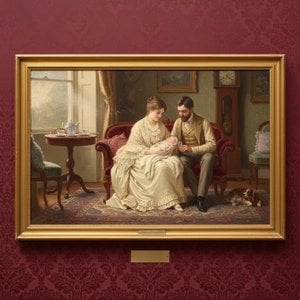
Explore the evocative Victorian paintings of George Goodwin Kilburne. Discover his detailed scenes of domestic life, masterful use of light, and lasting impact on British genre painting. Learn more at WahooArt.
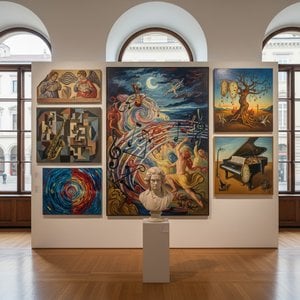
Explore the fascinating history of music's visual representation in art! From ancient symbolism to modern abstraction, discover how artists have captured sound and emotion on canvas. Expert insights & stunning examples.

Explore the fascinating history of art collectors in Western painting, from Renaissance patrons to modern museum founders. Discover how portraits revealed status, shaped artistic movements & built lasting legacies. Expert insights at WahooArt.
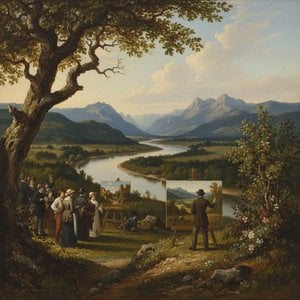
Explore the captivating genre scenes of Thomas George Webster, a Victorian painter bridging British traditions with American themes. Discover his style, influences & legacy in 19th-century art history.
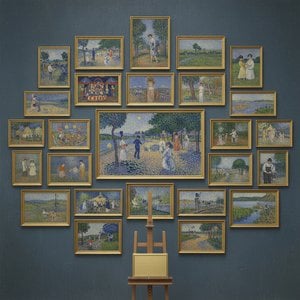
اكتشف 25 تحفة فنية آسرة لجورج سورا، رائد النقطية والانطباعية الجديدة. استكشف قصص لوحاته الخالدة وألوانها المذهلة. احصل على إعادة إنتاج عالية الجودة لديكور منزلي فاخر على WahooArt.com


ابقَ على اطلاع بأحدث أخبار الفن، والعروض الحصرية، وأفكار الديكور.
أخبرنا عن مشروعك، وسيقدم لك خبراؤنا الفنيون 3 اقتراحات فنية مخصصة لك.
دعنا نختار لك ٣ خيارات مخصصة تماماً - مجاناً!
 مشاركة

 عرض المزيد







 خيار الزجاج متاح فقط للمقاسات التي تقل عن 110 سم


