معاينة الحجم الواقعي معاينة بالواقع المعزز التبديل إلى المطبوعات اطلب نسخة مرسومة يدويًا إرسال
عرض التفاصيل دليل الأعمال الفنية للطلاب أضف إلى المفضلة تحميل قطع مشابهة الأشعة السينية عرض شرائح متتابع الإحصائيات

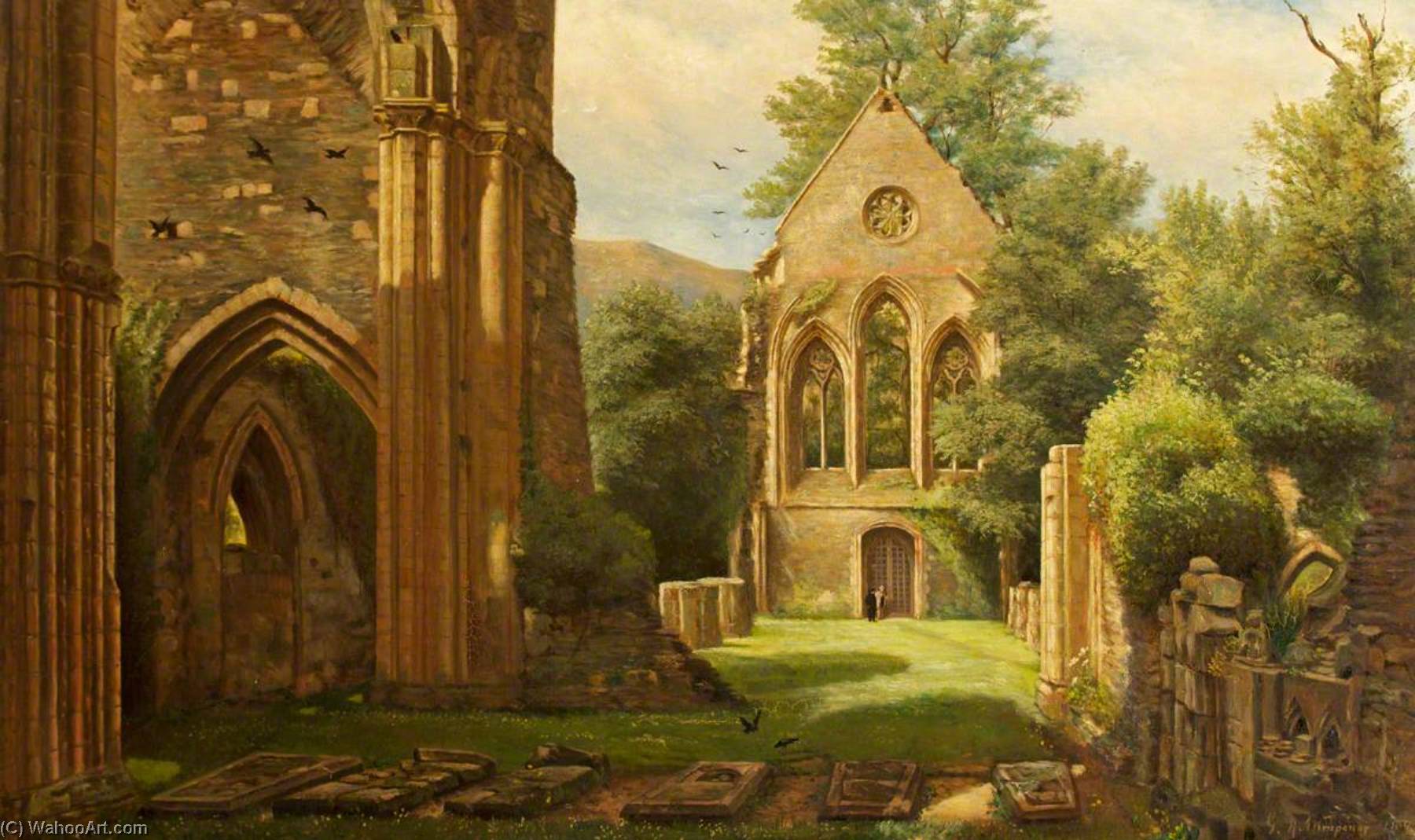
Llanthony Abbey

  • تاريخ الإنشاء1897
  • الأبعاد75.0 x 126.0 cm

Explore the captivating works of George Henry Wimpenny (1857-1939), a WahooArt artist known for his evocative portraits & scenes, reflecting Victorian era life and American identity.

احصل على صورة رقمية عالية الدقة ومعزّزة، بجودة تفوق بكثير المعاينة عبر الإنترنت.

يتم إعداد كل ملف بعناية فائقة على أيدي متخصصينا باستخدام أدوات متقدمة ولمسات يدوية خبيرة، لضمان تمتع كل صورة بوضوح استثنائي، ودقة لونية متناهية، وتفاصيل دقيقة.

يتم تسليم الملف النهائي عبر البريد الإلكتروني في غضون 72 ساعة، وهو مُحسَّن للاستخدام الفوري في المجالات المهنية والتحريرية ومجالات الطباعة؛ وهي ذات الجودة التي تعتمد عليها كبرى استوديوهات التصميم ودور النشر والمعارض الفنية المرموقة.

صورة رقمية

حمّل ملفاً عالي الدقة للعرض الشخصي، والطباعة، والمشاريع الإبداعية. ( التبديل إلى المطبوعات اطلب نسخة مرسومة يدويًا)

إجمالي السعر

$ 24,90

مزايا مُضمّنة مع كل طلب صورة رقمية

خدمة تسليم رقمي احترافية ومضمونة

عندما تختار WahooArt.com، فأنت لا تحصل على مجرد صورة فحسب، بل ستحصل على عمل فني رقمي مُحسّن باحترافية، صُمم بدقة متناهية ومصحوب بضمان الرضا. إليك كل ما يتضمنه طلبك تلقائياً:

shipping_icon
تسليم سريع عبر البريد الإلكتروني

ستصلك ملفات صورك الرقمية عالية الدقة عبر البريد الإلكتروني في غضون 72 ساعة من إتمام الطلب - لتكون جاهزة للاستخدام الفوري.

canvas_icon
ملف رقمي مُعزز بالذكاء الاصطناعي

يتم تحسين عملك الفني باحترافية باستخدام أدوات الذكاء الاصطناعي المتقدمة والتحرير اليدوي، لضمان أقصى درجات التفاصيل والوضوح ودقة الألوان.

insurance_icon
إعادة إرسال مجانية مدى الحياة

هل حذفت ملفك أو فقدته عن طريق الخطأ؟ لا تقلق - سنعيد إرساله إليك في أي وقت، مجاناً.

tax_icon
بدون رسوم استيراد - على الإطلاق

استمتع بأعمالك الفنية فوراً دون أي رسوم جمركية أو ضرائب أو مصاريف شحن - فالتحميلات الرقمية دائماً ما تكون معفاة من الضرائب.

color_icon
ضمان دقة الألوان

نضمن لك دقة انعكاس الألوان الأصلية في صورتك الرقمية بأقصى قدر ممكن، وذلك باستخدام أدوات احترافية وتقنيات متطورة لإدارة الألوان.

return_icon
ضمان الرضا لمدة 100 يوم

إذا لم تكن راضياً عن صورتك الرقمية، فسنقوم بتعديلها أو استرداد 100% من قيمتها خلال 100 يوم - دون طرح أي أسئلة.

guarantee_icon
ضمان استعادة الأموال بنسبة 100%

لم تكن راضياً؟ استرد كامل المبلغ خلال 100 يوم من استلام ملفك الرقمي - دون طرح أي أسئلة.

discount_icon
خصومات الطلبات الكبيرة

اشتري 3 صور، ووفر 10% - اشتري 5، ووفر 15% - اشتري +10، ووفر 20%. مثالية للمشاريع الإبداعية، والمعارض، والوكالات.

The George Henry Wimpenny painting, Llanthony Abbey, is a stunning example of late 19th-century art. Created in 1897, this oil on canvas piece measures 75 x 126 cm and showcases the artist's exceptional talent for capturing the beauty of architectural landscapes.
The painting depicts a large stone building with a clock tower in the middle, surrounded by trees and smaller buildings nearby. The scene is picturesque and inviting, with several birds flying around the area, adding to the natural ambiance. A bench can be seen in front of the main building, providing a place for people to sit and enjoy the view.

Artistic Style and Influences

George Henry Wimpenny's style is reminiscent of the Impressionist movement, which emphasized capturing the fleeting effects of light and color. Similar to artists like Pierre-Auguste Renoir, who created beautiful pieces like Yvonne and Christine Lerolle Playing the Piano, Wimpenny's work is characterized by its attention to detail and ability to evoke a sense of serenity.

Comparison with Other Artists

Other artists, such as Wassily Kandinsky and Claude Monet, also explored the relationship between nature and architecture in their work. For example, Kandinsky's Mountain Landscape with Church and Monet's Arm of the Seine at Giverny showcase the beauty of natural landscapes and the importance of light and color.

Conclusion

The Llanthony Abbey painting by George Henry Wimpenny is a beautiful example of late 19th-century art. Its stunning depiction of architectural landscapes and natural scenery makes it a must-see for art lovers. For more information on this painting and other works by Wimpenny, visit https://WahooArt.com. You can also explore other artists and their works, such as Sandro Botticelli's Scenes from the Life of Moses, on the same website.
  • View more paintings by George Henry Wimpenny at https://WahooArt.com
  • Learn about other artists, such as Ivan Kuzmich Makarov, on https://WahooArt.com
  • Discover the beauty of hand-made oil painting reproductions at https://WahooArt.com
The National Museum and other institutions also feature works by these artists, providing a glimpse into the world of art and its history.

سيرة الفنان

George Henry Wimpenny: A Victorian Portraitist Capturing Domestic Life and American Identity

George Henry Wimpenny (1857-1939) stands as a significant figure in late Victorian British art, particularly renowned for his meticulous depictions of domestic interiors and portraits reflecting the evolving social landscape of America. Born in London, Wimpenny’s artistic journey began with formal training at the Slade School of Fine Art, where he honed his skills under influential instructors like Frederic Leighton, establishing him firmly within the Beaux Arts tradition prevalent during his era. This grounding provided a foundation for his distinctive style—characterized by precise observation and an unwavering commitment to realism—a hallmark that would define his prolific output throughout his career.
  • Early Influences: Wimpenny’s artistic sensibilities were profoundly shaped by the Romantic movement, specifically artists like John Everett Millais and Frederic Leighton, whose emphasis on idealized beauty and narrative storytelling resonated deeply with him. These influences instilled a desire to portray subjects with dignity and grace, capturing not merely physical likeness but also psychological nuance.
  • Notable Works: Wimpenny’s oeuvre comprises over 300 paintings, predominantly portraits commissioned by prominent families across Britain and America. Among his most celebrated pieces are “Italian Grandmother,” executed in 1897, a masterful study of familial affection rendered with remarkable detail—a testament to his technical prowess and artistic vision. Similarly, "St George's Chapel," completed in 1896, showcases Wimpenny’s ability to convey atmosphere and emotion through subtle tonal variations and compositional arrangements.
  • Technique & Style: Wimpenny’s technique involved painstaking layering of thin glazes—a hallmark of the Impressionist movement—to achieve luminous effects and capture the subtleties of light and shadow. He meticulously studied anatomy and drapery, striving for accuracy in his representations of human form and fabric texture. His canvases often depict scenes from everyday life—domestic interiors populated by families—offering glimpses into Victorian social customs and values.

Exploring American Connections: Wimpenny's Patronage and Artistic Engagement Wimpenny’s artistic success extended beyond Britain, attracting commissions from wealthy American families eager to commemorate their heritage. His portraits of figures like Henry William Pickersgill—a celebrated barrister and philanthropist—demonstrate his adaptability to diverse cultural contexts while upholding the highest standards of artistic excellence. Wimpenny's engagement with American art history is evident in his admiration for Impressionist painters such as Monet and Renoir, whose explorations of light and color influenced his own stylistic choices. He actively sought inspiration from these masters, furthering the dialogue between European and American artistic traditions.

The Musée Thomas-Henry Legacy: Wimpenny's Contribution to French Art Beyond Britain, Wimpenny’s influence extended into France where he was honored as a guest artist at the Musée Thomas-Henry in Évreux. This recognition underscored his reputation for meticulous observation and skillful execution—qualities that aligned perfectly with the museum’s collection of 15th-19th century artworks. Wimpenny's dedication to capturing authentic emotion and portraying subjects with dignity cemented his place as a respected artist within the broader European artistic landscape. His work continues to inspire admiration for its technical precision and evocative portrayal of human experience.

A Lasting Impression: Wimpenny’s Enduring Relevance George Henry Wimpenny passed away in 1939, leaving behind an impressive legacy of paintings that endure as embodiments of Victorian artistic ideals. His meticulous attention to detail—particularly his masterful depictions of domestic interiors and portraits—offer invaluable insights into the social customs and values of his time. Wimpenny’s enduring relevance lies not only in his technical skill but also in his ability to convey profound human emotion, ensuring that his artwork continues to captivate audiences today.

حقائق سريعة

  • Artistic Movement Or Style: Victorian Portraiture
  • Artists Or Movements Influenced By This Artist: ['Henri Matisse']
  • Artists Who Influenced This Artist: ['James Dronsfield']
  • Date Of Birth: 1857
  • Date Of Death: 1939
  • Full Name: George Henry Wimpenny
  • Nationality: British
  • Notable Artworks:
    • Italian Grandmother
    • Henry William Pickersgill
  • Place Of Birth: London, England